
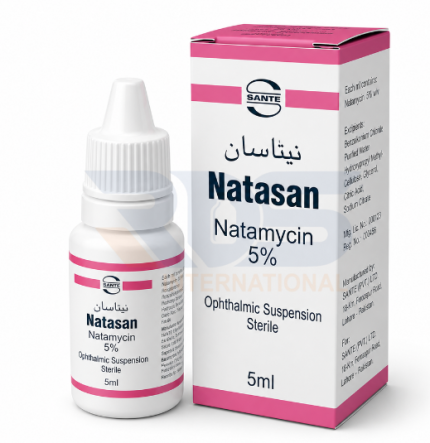
Natasan Eye Drops (Natamycin 5%) – Sante
Natasan Eye Drops
Product Overview
Natasan Eye Drops contain Natamycin 5%, a broad-spectrum antifungal medication used to treat fungal infections of the eye. It is highly effective against susceptible fungi that infect the cornea and conjunctiva, helping relieve discomfort while promoting faster healing. Natasan Eye Drops are formulated to provide targeted antifungal therapy for safe and effective eye care.
Key Benefits
Contains Natamycin 5%, a proven antifungal agent
Effectively treats fungal infections of the eye
Helps reduce redness, irritation, and inflammation
Relieves discomfort caused by fungal eye infections
Promotes healing of the cornea and surrounding tissues
Sterile ophthalmic suspension for topical ophthalmic use
How It Works
Natamycin is a polyene antifungal agent that works by binding to sterols in the fungal cell membrane. This disrupts the integrity of the fungal membrane, causing leakage of essential cellular components and ultimately leading to the death of the fungal cells. Its targeted action effectively eliminates susceptible fungi while helping restore normal eye health.
Directions for Use
Wash your hands thoroughly before application.
Shake the bottle well before each use.
Tilt your head backward and gently pull down the lower eyelid.
Instill one drop into the affected eye(s) as prescribed by your ophthalmologist.
Close your eyes gently for 1–2 minutes without blinking excessively.
Avoid touching the dropper tip to any surface, including the eye, to prevent contamination.
Use only as directed by your healthcare professional.
Precautions
For ophthalmic use only.
Do not use if you are allergic to Natamycin or any ingredient in the formulation.
Avoid wearing contact lenses during treatment unless advised by your eye specialist.
Do not touch the dropper tip to any surface.
If eye irritation, pain, swelling, or vision changes worsen or persist, consult your physician immediately.
Inform your doctor if you are pregnant, planning pregnancy, or breastfeeding before using this medicine.
Storage Instructions
Store below 25°C in a cool, dry place.
Protect from direct sunlight.
Do not freeze.
Keep the bottle tightly closed after each use.
Keep out of the reach of children.
Do not use after the expiry date printed on the package.
Manufacturer Information
Natasan Eye Drops are manufactured under strict pharmaceutical quality standards to ensure safety, sterility, and effectiveness. Each batch undergoes rigorous quality control to provide reliable treatment for fungal eye infections. Always use this medicine under the supervision of a qualified healthcare professional.
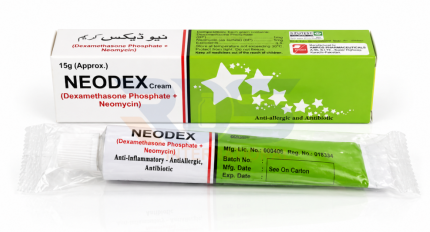
Neodex Cream 15g (Dexamethasone Phosphate+Neomysin) – Amros Pharmaceuticals
Here's a professional, website-ready description for **Neodex Cream** with polished wording and a pharmaceutical tone:
---
# **Neodex Cream (Dexamethasone Phosphate + Neomycin)**
## **Product Overview**
Neodex Cream is a topical combination of **Dexamethasone Phosphate** and **Neomycin**, formulated to help manage bacterial skin infections accompanied by inflammation. It combines the anti-inflammatory action of dexamethasone with the antibacterial properties of neomycin to relieve redness, swelling, itching, and discomfort while helping control susceptible bacterial infections.
---
## **Indications**
Neodex Cream is indicated for the treatment of inflammatory skin conditions where bacterial infection is present or likely to occur, including:
* Infected dermatitis and eczema
* Allergic skin inflammation with secondary bacterial infection
* Infected insect bites
* Minor skin infections associated with redness and irritation
* Other corticosteroid-responsive skin conditions, as advised by a healthcare professional
---
## **How It Works**
* **Dexamethasone Phosphate** helps reduce inflammation, redness, swelling, and itching.
* **Neomycin** is a broad-spectrum antibiotic that inhibits the growth of susceptible bacteria responsible for skin infections.
Together, they provide effective relief from both infection and inflammation.
---
## **Dosage & Administration**
* Apply a **thin layer** to the affected area **1–3 times daily**, or as directed by your physician.
* Clean and dry the affected skin before application.
* Wash your hands before and after applying the cream unless treating the hands.
* Avoid applying excessive amounts or using the cream for longer than prescribed.
---
## **Warnings & Precautions**
* **For external use only.**
* Avoid contact with the eyes, mouth, and other mucous membranes.
* Do not apply to large areas of skin or under airtight dressings unless advised by your physician.
* Prolonged or excessive use may increase the risk of skin thinning or other corticosteroid-related effects.
* If irritation, allergic reactions, or worsening of symptoms occur, discontinue use and consult your healthcare provider.
---
## **Possible Side Effects**
Neodex Cream is generally well tolerated when used as directed. However, some individuals may experience:
* Mild skin irritation
* Redness or itching
* Burning or stinging sensation at the application site
* Dryness of the skin
With prolonged use, skin thinning, discoloration, or secondary infections may occur.
---
## **Storage Instructions**
Store below **30°C** in a cool, dry place, protected from direct sunlight. Keep out of the reach of children.
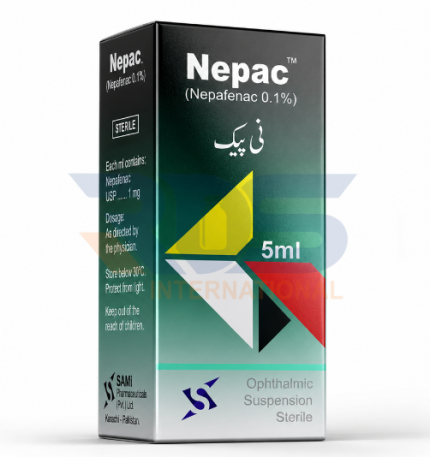
Nepac Eye Drops 5ml (Nepafenac) – sante (private) limited
Used For
Eye Inflammation
How It Works
Nepafenac is a non-steroidal anti-inflammatory drug (NSAID) available as a prodrug. After being applied to the eye, it penetrates the cornea and is converted by ocular tissue hydrolases into its active form, amfenac. Amfenac works by blocking the cyclooxygenase (COX) enzyme, which is responsible for producing prostaglandins—substances that cause pain and inflammation. This helps reduce eye inflammation and discomfort.
Usage & Safety
Dosage
Instill one drop into the affected eye(s) three times daily—morning, afternoon, and evening. Use the drops at the same time each day or as directed by your physician.
Side Effects
Like all medicines, Nepafenac may cause side effects, although not everyone experiences them.
Eye-related side effects:
Eye pain or discomfort
Dry eyes
Eyelid swelling
Eye irritation
Itchy eyes
Eye discharge
Allergic conjunctivitis (eye allergy)
Increased tear production
Eye redness
Deposits on the surface of the eye
Swelling or fluid buildup at the back of the eye (macular edema)
Iris inflammation
General side effects:
Headache
Dizziness
Nausea
Allergic reactions, including eyelid swelling
Skin inflammation, redness, or itching
Drug Interactions
Inform your doctor or pharmacist if you are taking, have recently taken, or plan to take any other medicines. Nepafenac may interact with other eye drops, including medications used to treat glaucoma. Tell your doctor if you are using blood-thinning medicines such as warfarin or other NSAIDs, as these may increase the risk of bleeding.
Indications
Nepafenac Ophthalmic Suspension is indicated in adults for:
Prevention and relief of eye pain and inflammation following cataract surgery.
Reduction of the risk of macular edema (swelling at the back of the eye) after cataract surgery in diabetic patients.
When Not to Use
Do not use this medicine if:
You are allergic to Nepafenac or any of its ingredients.
You are allergic to other non-steroidal anti-inflammatory drugs (NSAIDs).
You have previously experienced asthma, severe skin allergies, or nasal inflammation after using NSAIDs such as aspirin (acetylsalicylic acid), ibuprofen, ketoprofen, piroxicam, or diclofenac.
Precautions
Topical NSAIDs may cause keratitis (inflammation of the cornea). In some patients, prolonged use may lead to corneal epithelial damage, corneal thinning, erosion, ulceration, or even corneal perforation, which may threaten vision. If signs of corneal damage occur, discontinue the medicine immediately and consult your eye specialist for close monitoring.
Warnings
Topical anti-inflammatory medicines may mask the signs of an acute eye infection. Since NSAIDs do not have antibacterial properties, they should be used with anti-infective medicines only under medical supervision.
Contact lenses are generally not recommended during the recovery period after cataract surgery. Wear them only if advised by your doctor.
This medicine is for ophthalmic use only. Do not inject or swallow the product.
Additional Information
Pregnancy
If you are pregnant, planning to become pregnant, or breastfeeding, consult your physician before using this medicine.
Storage
Store at room temperature, away from direct heat and sunlight. Keep the bottle tightly closed and out of the reach of children.
Ye version website ke liye zyada professional, readable aur SEO-friendly hai, aur baaki medicines ki descriptions ke pattern se bhi match karega.
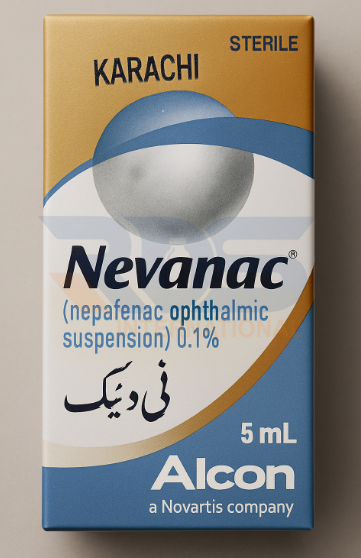
Nevanac Eye Drop 0.1% 5ml(Nepafenac) – Alcon
Eye Inflammation
How it works
Nepafenac is a non-steroidal anti-inflammatory and analgesic prodrug. After topical ocular dosing, nepafenac penetrates the cornea and is converted by ocular tissue hydrolases to amfenac, a nonsteroidal anti-inflammatory drug. Amfenac inhibits the action of prostaglandin H synthase (cyclooxygenase), an enzyme required for prostaglandin production.
Usage And Safety
Dosage
One drop in the affected eye or eyes, three times a day - morning, midday, and evening. Use at the same time each day . Or As directed by your physician.
Side Effects
Effects in the eye: Iris inflammation, eye pain, eye discomfort, dry eye, eyelid swelling, eye irritation, itchy eye, eye discharge, allergic conjunctivitis (eye allergy), increased tear production, deposits on the eye surface, fluid or swelling at the back of the eye, eye redness. General side effects: Dizziness, headache, allergic symptoms (eyelid allergic swelling), nausea, skin inflammation, redness and itching.
Drug Interactions
Tell your doctor or pharmacist if you are taking, have recently taken or might take any other medicines. Nepafenac can affect or be affected by other medicines you are using, including other eye drops for the treatment of glaucoma. Also tell your doctor if you are taking medicines that reduce blood clotting (warfarin) or other NSAIDs. They may increase the risk of bleeding.
Indication
It is to be used by adults to prevent and relieve eye pain and inflammation following cataract surgery on the eye and to reduce the risk of macular oedema (swelling in the back of the eye) following cataract surgery on the eye in diabetic patients .
When not to Use
Do not use - If you are allergic to nepafenac or any of the other ingredients of this medicine . - If you are allergic to other nonsteroidal anti-inflammatory drugs (NSAID) - If you have experienced asthma, skin allergy, or intense inflammation in your nose when using other NSAIDs. Examples of NSAIDs are: acetylsalicylic acid, ibuprofen, ketoprofen, piroxicam, diclofenac .
Precautions
Use of topical NSAIDs may result in keratitis. In some susceptible patients, continued use of topical NSAIDs may result in epithelial breakdown, corneal thinning, corneal erosion, corneal ulceration or corneal perforation . These events may be sight threatening. Patients with evidence of corneal epithelial breakdown should immediately discontinue use of nepafenac and should be monitored closely for corneal health.
WARNING:-
An acute ocular infection may be masked by the topical use of anti-inflammatory medicines. NSAIDs do not have any antimicrobial properties. In case of ocular infection, their use with anti-infectives should be undertaken with care.
Wearing contact lens is not recommended during the postoperative period following cataract surgery. Therefore, patients should be advised not to wear contact lenses unless clearly indicated by their doctor.
The product should not be injected. Patients should be instructed not to swallow nepafenac .
Additional Information
Pregnancy category
Always consult your physician before using any medicine.
Storage (YES/NO)
Store this medicine at room temperature, away from direct light and heat.

Newxine Tab 1 Box = 100 tablets (Meclozine,B6) – Rock Pharma
Newxine Tablets contain Meclozine and Vitamin B6. Meclozine is an antihistamine that helps prevent and relieve nausea, vomiting, and dizziness associated with motion sickness. Vitamin B6 is added to support the reduction of nausea symptoms.
Key Benefits:
• Helps control nausea, vomiting, and dizziness caused by motion sickness.
• Supports relief from nausea.
• Can be taken with or without food for convenience.
Possible Side Effects:
• Drowsiness
• Dry mouth
• Headache
• Fatigue or tiredness
• Dry nose and throat
• Blurred vision (rarely)
Precautions:
• Avoid driving or operating machinery until you know how this medicine affects you.
• Drinking alcohol may increase drowsiness and other side effects.
• Consult your doctor before use if you have liver or kidney problems, asthma, glaucoma, an enlarged prostate, or difficulty urinating.
• If you are pregnant or breastfeeding, seek medical advice before taking this medicine.
• Inform your doctor about all medicines you are using, including prescription medicines, over-the-counter products, vitamins, and herbal supplements
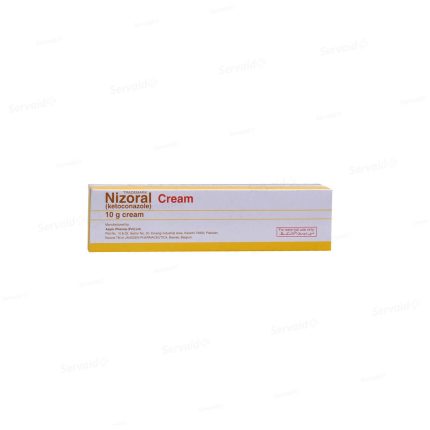
Nizoral Cream ( Ketoconazole ) Aspin Pharma
Ketoconazole is used to treat skin infections such as athlete's foot, jock itch, ringworm, and certain kinds of dandruff. This medication is also used to treat a skin condition known as pityriasis (tinea versicolor), a fungal infection that causes a lightening or darkening of the skin of the neck, chest, arms, or legs. Ketoconazole is an azole antifungal that works by preventing the growth of fungus.
How to use Nizoral Cream
Use this medication on the skin only. Clean and thoroughly dry the area to be treated. Apply this medication to the affected skin, usually once or twice a day or as directed by your doctor. Dosage and length of treatment depends on the type of infection being treated. Do not apply this more often than prescribed. Your condition will not clear faster, but side effects may be increased.
Apply enough medication to cover the affected skin and some of the surrounding skin. After applying this medication, wash your hands. Do not wrap, cover or bandage the area unless directed to do so by your doctor.
Do not apply this medication in the eyes, nose, mouth, or vagina. If this medication gets in the eyes (for example, when used to treat dandruff), rinse thoroughly with water.
Use this medication regularly in order to get the most benefit from it. Remember to use it at the same time(s) each day.
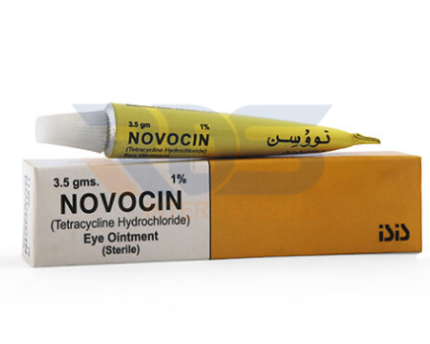
Novocin Skin Ointment 3% 14g (Tetracycline) – ISIS Pharma
### How to Use
1. Clean the Area: Gently wash the affected skin with mild soap and water, then pat it dry completely before applying the ointment.
2. Apply the Ointment: Apply a thin layer to the affected area, usually 1 to 3 times daily, or exactly as directed by your physician.
3. Wash Your Hands: After application, wash your hands thoroughly to help prevent the spread of bacteria.
### Important Precautions
* For External Use Only: This ointment is intended for use on the skin only. Avoid contact with the eyes, nose, and mouth.
* Not Effective for Fungal or Viral Infections: As an antibiotic, it will not treat infections caused by fungi or viruses.
* Allergy Warning: If you are allergic to aminoglycoside antibiotics, consult your doctor before using this medicine.
* Pregnancy and Breastfeeding: If you are pregnant or nursing, discuss the use of this medication with your healthcare provider before applying it.
Additional Advice
Always consult your physician or pharmacist to ensure this medication is appropriate for your specific skin condition. If you can describe your symptoms, such as cuts, scrapes, or rashes, more tailored guidance may be provided regarding the effectiveness of this ointment.
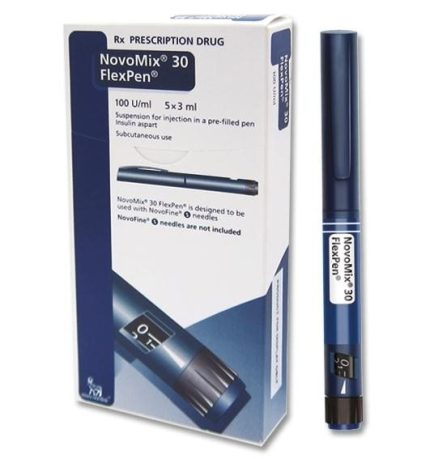
Novomix 100IU Inj. Insulin ( Novo Nordisk )
Manufactured By NOVO NORDISK INDIA PVT LTD
Contains Insulin Aspart (30 International units ) + Insulin Aspart Protamine (70 International units )
Novomix 30 Flexpen Injection is used for the treatment of diabetes mellitus (a condition with high blood sugar levels). This medicine is a combination of rapid-acting and intermediate-acting types of insulin that provide effective blood sugar control throughout the day.
Novomix 30 Flexpen Injection may result in low blood sugar levels, and you may feel hungry, irritable, dizzy, anxious, or shaky. Consult your doctor if these symptoms persist or become severe. Avoid consumption of alcohol during treatment with this medicine, as it may lower your blood sugar levels. This medicine may also cause low blood potassium levels, weight gain, swelling of your hands and feet, redness/swelling/itching at the site of the injection, etc.
Novomix 30 Flexpen Injection should be administered exactly as advised by your doctor. This medicine is to be injected under the skin. Administer it at the same time every day to maintain a constant level of this medicine in your body. Do not skip doses or discontinue the treatment without consulting your doctor, as it may cause an increase in your blood sugar levels.
Novomix 30 Flexpen Injection is not recommended if you are allergic to it. Inform your doctor if you have pre-existing liver or kidney problems. If you are pregnant or are breastfeeding, consult your doctor before starting treatment with this medicine.
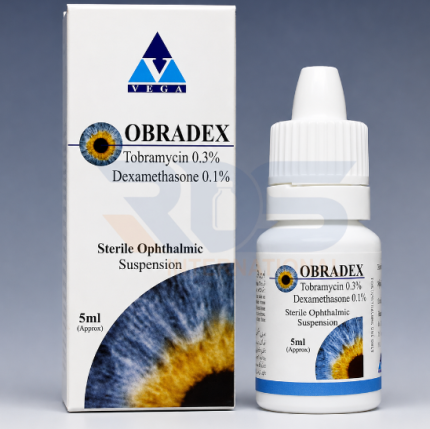
Obradex (0.3/0.1%) 5Ml Eye Drops (Dexamethasone, Tobramycin) – Vega Pharmaceuticals
Obradex Eye Drops contain Tobramycin 0.3% and Dexamethasone 0.1%, a combination of an aminoglycoside antibiotic and a corticosteroid. Tobramycin helps eliminate bacteria responsible for eye infections, while Dexamethasone reduces inflammation, redness, swelling, and discomfort. Together, they effectively treat bacterial eye infections accompanied by inflammation and help promote faster recovery.
Ingredients
Dexamethasone
Tobramycin
Drug Class
Corticosteroid
Aminoglycoside Antibiotic
Dosage Form
Eye Drops
Uses
Obradex Eye Drops are used for:
Treating bacterial eye infections.
Reducing eye inflammation, redness, and swelling.
Managing post-operative eye inflammation after eye surgery.
Treating bacterial conjunctivitis and corneal infections.
Preventing infection in patients at risk of bacterial eye infections.
Relieving eye discomfort associated with inflammation.
How to Use
Wash your hands before use. Tilt your head back, gently pull down the lower eyelid, and instill the prescribed number of drops into the affected eye. Close your eyes gently for 1–2 minutes and avoid touching the dropper tip to any surface. Use only as directed by your physician.
Missed Dose
If you miss a dose, apply it as soon as you remember. If it is almost time for your next dose, skip the missed dose and continue your regular schedule. Do not use a double dose.
Overdose
An overdose is unlikely to cause serious problems. Excessive use may lead to temporary eye irritation, redness, or discomfort. If symptoms persist or worsen, rinse the eye with clean water and seek medical advice.
When Not to Use
Do not use this medicine if:
You are allergic to Dexamethasone, Tobramycin, or any of the ingredients.
You have viral, fungal, or mycobacterial eye infections.
You have untreated herpes simplex eye infection.
You have glaucoma or increased intraocular pressure unless advised by your doctor.
You wear contact lenses unless your doctor recommends otherwise.
Side Effects
Common side effects may include:
Eye irritation or burning
Redness or itching
Blurred vision
Dry eyes
Eye discharge
Increased eye pressure
Sensitivity to light
Mild skin irritation around the eyes
Precautions & Warnings
For ophthalmic use only. Do not swallow or inject.
Remove contact lenses before use and wait at least 15 minutes before reinserting them.
Prolonged use may increase the risk of glaucoma, cataracts, or delayed healing.
Inform your doctor if you have a history of herpes eye infection, glaucoma, or corneal disorders.
Use in children only under medical supervision.
Drug Interactions
Inform your doctor if you are using:
Other corticosteroid eye medications.
NSAIDs.
Other aminoglycoside antibiotics.
Loop diuretics (e.g., Furosemide).
Vancomycin, Cyclosporine, or Amphotericin B.
Live vaccines or other medicines that may affect immune function.
Food Interactions
No significant food interactions are known with Obradex Eye Drops. Maintain a healthy diet and stay well hydrated during treatment.
Storage
Store at room temperature in a cool, dry place away from direct sunlight and heat. Keep the bottle tightly closed, do not freeze, and keep out of the reach of children.
Quick Tips
Wash your hands before applying the drops.
Avoid touching the dropper tip.
Wait at least 5 minutes between different eye medications.
Do not wear contact lenses unless advised by your doctor.
Complete the full course of treatment even if symptoms improve.
Do not share your eye drops with others.
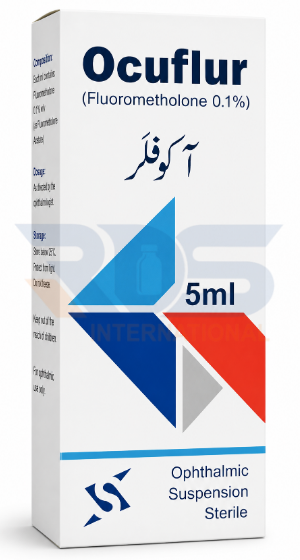
Ocuflur Eye Drops 5ml (Fluoromethalone) – sante (private) limited
Used For
Eye Inflammation
How it works
There is no generally accepted explanation for the mechanism of action of ocular corticosteroids. However, corticosteroids are thought to act by inducing phospholipase A2 inhibitory proteins, collectively called lipocortins. These proteins are believed to control the biosynthesis of inflammatory mediators such as prostaglandins and leukotrienes by inhibiting the release of their common precursor, arachidonic acid. Arachidonic acid is released from membrane phospholipids by phospholipase A2.
Usage And Safety
Dosage
The recommended dose is 1 or 2 drops of FML in each affected eye 2 to 4 times daily, or more frequently if advised by your doctor. During the first 24–48 hours of treatment, your doctor may recommend 2 drops at hourly intervals.
Side Effects
Possible side effects include increased intraocular pressure (which may lead to glaucoma), rare optic nerve damage, posterior subcapsular cataract formation, delayed wound healing, keratitis, conjunctivitis, corneal ulcers, mydriasis, conjunctival hyperemia, loss of accommodation, ptosis, allergic reactions, foreign body sensation, eyelid redness or swelling, eye discharge, eye pain, itching, increased tearing, rash, taste disturbance, blurred vision, and visual field defects.
Drug Interactions
Ritonavir, Cobicistat
Indication
This medicine contains a steroid used to treat inflammation of the eye.
When not to Use
Do not use this medicine if you are allergic (hypersensitive) to fluorometholone or any of the ingredients, or if you have a bacterial, viral, or fungal infection of the eye.
Warning
Do not use this medicine for more than one week unless advised by your doctor or eye specialist.
Prolonged use may increase intraocular pressure, which can lead to glaucoma, optic nerve damage, cataracts, delayed wound healing, or eye infections. Regular eye pressure monitoring is required.
If you have a history of herpes simplex eye infection, use this medicine only under close medical supervision.
Avoid sharing the bottle with others as it may spread infection.
Precautions
The use of the bottle by more than one person may spread infection.
Additional Information
Pregnancy Category
Always consult your physician before using any medicine.
Storage (YES/NO)
Store at room temperature, away from direct light and heat.
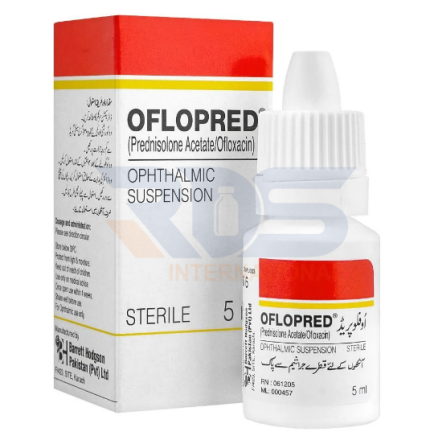
Oflopred Eye Drops 5ml (Prednisolone Acetate,Ofloxacin) – Barrett Hodgson Pakistan
Used For Eye Infection
Ophthalmic Ofloxacin is used to treat bacterial eye infections, including conjunctivitis (pink eye) and corneal ulcers. Ofloxacin belongs to the quinolone class of antibiotics and works by destroying the bacteria responsible for the infection. Prednisolone acetate is a corticosteroid that binds to glucocorticoid receptors, suppressing inflammatory responses while promoting anti-inflammatory effects. It has a relatively short duration of action, with a half-life of approximately 2–3 hours.
- Usage & Safety