

Stemetil 5mg Tab. ( Prochlorperazine Maleate ) Sanofi
Generics
Prochlorperazine Maleate
Used For
Vertigo
How it works
It contain a medicine called prochlorperazine maleate. This belongs to a group of medicines called ‘phenothiazine antipsychotics’. It works by blocking the effects of a chemical in the brain.
Stemetil Tablets Usage And Safety
Dosage
Prochlorperazine Maleate
Side Effects
• Constipation • dry mouth • drowsiness • restlessness • trembling, rigid posture, masklike face, slow movements and a shuffling unbalanced walk • twitching • blurred vision The following side effects are less common: • low blood pressure • changes in heart beats • swelling of the hands, ankles or feet • skin rash • for females: unusual secretion of breast milk, irregular periods • for males: breast enlargement, difficulty in ejaculating • severe pain in the stomach with bloating, cramps and vomiting • difficulty passing urine • yellowing of the skin and/or eyes • headache • insomnia • seizures • dizziness • agitation • Brownish spots in the eye • difficulty in breathing.
Drug Interactions
•Sedatives, barbiturates • Other medicines used to calm emotional and mental conditions. • Amitriptyline. • Levodopa. • Carbamazepine. • Amiodarone, disopyramide, propanolol or quinidine. • Doxazosin, terazosin, guanethidine or clonidine. • Medicines used for diabetes. • Cytotoxic • Medicines used for infections (antibiotics). • Antacids. • Anticholinergic • Amphetamines • Adrenaline • Deferoxamine • Lithium.
Indication
It is used to treat balance problems or dizziness (vertigo). This includes problems of the inner ear such as ‘Meniere’s Syndrome’ or ‘labyrinthitis’
When not to Use
Do not take if: You are allergic (hypersensitive) to prochlorperazine maleate or any of the ingredients in the list . Signs of an allergic reaction include: a rash, swallowing or breathing problems, swelling of your lips, face, throat or tongue.
Stemetil Tablets Precautions
Precaution
It should be used cautiously in the elderly owing to their susceptibility to drugs acting on the central nervous system and a lower initial dosage is recommended. There is an increased risk of drug-induced Parkinsonism in the elderly particularly after prolonged use. Care should also be taken not to confuse the adverse effects of Stemetil, e.g. orthostatic hypotension, with the effects due to the underlying disorder.
Stemetil Tablets Warnings
Warning 1
It should be avoided in patients with liver or renal dysfunction, Parkinson's disease, hypothyroidism, cardiac failure, phaeochromocytoma, myasthenia gravis, prostate hypertrophy. It should be avoided in patients known to be hypersensitive to phenothiazines or with a history of narrow angle glaucoma or agranulocytosis.
Warning 2
Acute withdrawal symptoms, including nausea, vomiting and insomnia, have very rarely been reported following the abrupt cessation of high doses of neuroleptics. Relapse may also occur, and the emergence of extrapyramidal reactions has been reported. Therefore, gradual withdrawal is advisable.
Warning 3
Because of the risk of photosensitization, patients should be advised to avoid exposure to direct sunlight.
Stemetil Tablets Additional Information
Pregnancy category
Always consult your physician before using any medicine.
Storage (YES/NO)
Store this medicine at room temperature, away from direct light and heat.

Stugeron 25mg Tab ( Cinnarizine ) ASPIN
This medication is indicated in cerebral and peripheral disorders: prevention and maintanence therapy for symptoms of cerebral vascular spams (brain blood vessel narrows), vascular spams, arteriosclerosis (thickened blood vessel) such as dizziness, vomiting, nausea, vascular headache, intermittent claudication (muscle pain). Raynaud's disease (blood vessel disorder). Preventation and maintanence of motion sickness.
Pregnancy:
This medication is contraindicated in pregnancy.
Lactation:
This medication is contraindicated or not recommended in lactating females.
Contraindications:
This medication is contraindicated in patients with Porphyria (Liver disorders).
Precautions:
Parkinson's disease (brain disorder).
Adverse effects:
GI upset, drowsiness, headache rarely, dry mouth, sweating and allergic reactions.
Primary Uses
Nausea and Vomiting
Indications
This medication is indicated in cerebral and peripheral disorders: prevention and maintanence therapy for symptoms of cerebral vascular spams (brain blood vessel narrows), vascular spams, arteriosclerosis (thickened blood vessel) such as dizziness, vomiting, nausea, vascular headache, intermittent claudication (muscle pain). Raynaud's disease (blood vessel disorder). Preventation and maintanence of motion sickness.
Side Effects
GI upset, drowsiness, headache rarely, dry mouth, sweating and allergic reactions.
Warnings
Pregnancy
This medication is contraindicated in pregnancy.
Lactation
This medication is contraindicated or not recommended in lactating females.
Driving
Please avoid driving when taking this medicine as it may affect your ability to drive.
Alcohol
Please avoid consuming alcohol when taking this medicine.
Precautions
Parkinson's disease (brain disorder).
Contraindications
This medication is contraindicated in patients with Porphyria (Liver disorders).
FAQS
What is Cinnarizine?
Cinnarizine is a medicine used for the treatment of nausea and vomiting.
What are the uses of Cinnarizine?
This medication is used for treating vertigo (spinning of head) and related symptoms, nausea and vomiting, and motion sickness.
How to store Cinnarizine?
Please store this medicine at room temperature (18-25 Celsius). Keep medicine away from excessive light, moisture, and children. Please do not flush medicines down the toilet. Please read the leaflet provided with the medicine for further storage guidance.
What are the precautions for taking Cinnarizine?
Following are the precautions for use of this medicine: • Do not use or discontinue this medicine if you are allergic to any of the ingredients of this medicine • You may feel drowsy after taking this medicine therefore avoid work requiring alertness e.g. driving Please consult your health care provider before using this medicine.
Does Cinnarizine have any effect on pregnancy and lactation?
This medicine should not used during pregnancy. Consult your healthcare provider for further guidance. The effects of this medicine in lactating mothers are unknown. Consult your health care provider before use of this medicine.
Important notes for use of Cinnarizine.
• Please do not use this medicine unless it is prescribed to you by your health care provider. • Please immediately inform doctor in case of any adverse effects of this medicine. • Please do not share this medicine with anyone.
Disclaimer

Sulphact Soap ( Medicated Soap ) Royal Derma
Used For: scabies
Product Detail
SULPHACT soap contains 10% precipitated sulfur. It has scabicidal, anti-bacterial and anti-seborrheic activity.
How to use: Wash with normal or lukewarm water, then use the Soap Massage it gently until rich lather is formed. After that rinse with water. Repeat application of lather and massage it. Do not rinse with water, let it dry. Remove the excess with towel or tissue paper or as per direction.
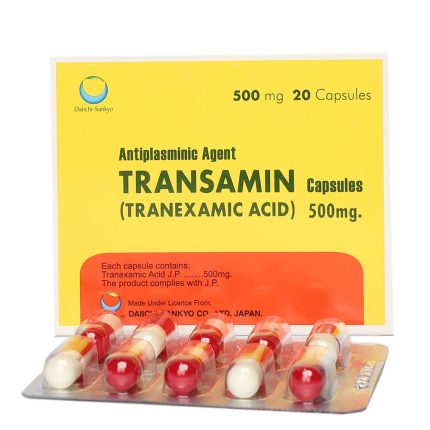
Transamin Capsules 500Mg ( Tranexamic acid ) Hilton Pharma
Tranexamic acid competitively inhibits activation of plasminogen(via binding to the Kringle domain), thereby reducing conversion of plasminogen to plasmin (fibrinolysin), an enzyme that degrades fibrin clots, fibrinogen, and other plasma proteins, including the procoagulant factors V and VIII. Tranexamic acid also directly inhibits plasmin activity, but higher doses are required than are needed to reduce plasmin formation.
Usage And Safety
Dosage
Tranexamic acid
Side Effects
Hypotension has occurred, particularly after rapid intravenous dosage. Thrombotic complications have been reported in patients receiving tranexamic acid, but these are usually a consequence of its inappropriate use. There have been a few instances of transient disturbance of color vision associated with use of tranexamic acid. Hypersensitivity skin reactions have also been reported.
Drug Interactions
Estrogens , Thrombolytic drugs.
Indication
Tranexamic acid is indicated for the treatment of: - Hemorrhage or risk of hemorrhage in increased fibrinolysis or fibrinogenolysis .
When not to Use
Tranexamic acid is contraindicated in patients with:- Known hypersensitivity to tranexamic acid or to any of the excipient of the product.- Acute thromboembolic disease such as deep vein thrombosis, pulmonary embolism and cerebral thrombosis.- Fibrinolytic conditions following consumption coagulopathy except in those with predominant activation of the fibrinolytic system with acute severe bleeding.
Precautions
Precaution
Before use of tranexamic acid, risk factors of thromboembolic disease should be considered. In patients with a history of thromboembolic diseases or in those with increased incidence of thromboembolic events in their family history (patients with a high risk of thrombophilia), tranexamic acid should only be administered if there is a strong medical indication and under strict medical supervision.
Warnings
Warning 1
Tranexamic acid should be administered with care in patients receiving oral contraceptives because of the increased risk of thrombosis.
Warning 2
Patients with irregular menstrual bleeding should not use tranexamic acid until the cause of the irregularity has been established.
Warning 3
Convulsions have been reported in association of tranexamic acid treatment.
Additional Information
Pregnancy category
Always consult your physician before using any medicine.
Storage (YES/NO)
Store this medicine at room temperature, away from direct light and heat.

Travocort Cream ( ISOCONAZOLE NITRATE ) BAYER
Full Prescribing Info
Contents
Isoconazole nitrate, diflucortolone valerate.
Description
1 g Isoconazole nitrate + Diflucortolone valerate (Travocort) contains 10 mg (1 %) isoconazole nitrate and 1 mg (0.1 %) diflucortolone valerate.
Excipients/Inactive Ingredients: Cetostearyl alcohol, Disodium edetate, Liquid paraffin, White soft paraffin, Polysorbate 60, Sorbitan stearate, Purified water.
Action
Pharmacotherapeutic group: Imidazole and triazole derivatives, combinations. ATC Code: D01AC20.
Pharmacology: Pharmacodynamics: Isoconazole nitrate is for use in the treatment of superficial fungal diseases of the skin. It displays a very broad spectrum of antimicrobial action. It is effective against dermatophytes and yeasts, yeast like fungi (including the causative organism of pityriasis versicolor) and molds, as well as against gram-positive bacteria in-vitro and against the causative organism of erythrasma. Diflucortolone valerate suppresses inflammation in inflammatory and allergic skin conditions and alleviates the subjective complaints such as pruritus, burning and pain.
Pharmacokinetics: Isoconazole nitrate: Isoconazole penetrates rapidly into human skin from Isoconazole nitrate + Diflucortolone valerate (Travocort) cream and reaches maximum drug concentrations in the horny layer and in the living skin already 1 hour after application. High concentrations were maintained for at least 7 hours (horny layer: approx. 3500 μg/ml (corresponding to 7 mmol/l), living epidermis approx. 20 μg/ml (40 μmol/l), dermis approx. 3 μg/ml (6 μmol/l). Removal of the horny layer prior to the application increased isoconazole concentrations in the living skin approximately by a factor of 2. Drug concentrations in the horny layer and the epidermis exceeded minimum inhibitory and biocidal antimycotic concentrations (MIC) of most important pathogens (dermatophytes, molds and yeasts) several-fold and reached MIC values in the dermis.
In a further study, isoconazole nitrate could still be detected above the MIC in the stratum corneum and the hair follicles at one week after termination of a two-week application period.
In some subjects, isoconazole nitrate could even be detected 14 days after the last application.
After topical application to rabbits higher antimycotic concentrations were obtained in the skin as compared to the corticosteroid-free preparation. This was interpreted as a retardation of percutaneous absorption of isoconazole nitrate as consequence of the vasoconstrictive effect of the corticosteroid.
Furthermore, the concentration ratio between antimycotic and corticosteroid in the skin is increased as compared to a ratio of 10:1 present in the Isoconazole nitrate + Diflucortolone valerate (Travocort) cream, indicating that antimycotic efficacy is not impaired by the corticosteroid.
Isoconazole is not metabolically inactivated in the skin.
Systemic load due to percutaneous absorption is low. Even after removal of the horny layer less than 1 % of the applied dose has reached the systemic circulation within 4 hours exposure time.
The percutaneous absorbed portion was too low to investigate the fate of isoconazole nitrate within the human organism. Therefore 0.5 mg of 3H-labeled isoconazole nitrate was injected intravenously. Isoconazole is completely metabolized and rapidly eliminated.
2,4-dichloromandelic acid and 2-(2,6-dichlorobenzyloxy)-2-(2,4-dichlorophenyl)-acetic acid were characterized as quantitatively most important metabolites. A third of the labeled substances was excreted with the urine and two thirds with the bile. 75 % of the total dose was already excreted within 24 hours.
Diflucortolone valerate: Isoconazole does not influence penetration and percutaneous absorption of diflucortolone valerate. Diflucortolone valerate penetrates rapidly into the skin leading to horny layer levels of approximately 150 μg/ml (= 300 μmol/l) after one hour. Those levels are maintained for at least seven hours. Corticosteroid levels in the deeper epidermis were about 0.15 μg/ml (= 0.3 μmol/l).
Diflucortolone valerate is partly hydrolyzed in the skin to the likewise effective diflucortolone. The portion of the corticosteroid, which is percutaneously absorbed, is low. Within four hour exposure time, less than 1 % of the topically applied Isoconazole nitrate + Diflucortolone valerate (Travocort) dose have been percutaneously absorbed.
Entering the systemic circulation, diflucortolone valerate is hydrolyzed to diflucortolone and the corresponding fatty acid within minutes. Besides diflucortolone 11-keto-diflucortolone and two further metabolites have been detected in the plasma.
Diflucortolone respectively all metabolites are eliminated from the plasma with half-lives of 4 - 5 hours and approx. 9 hours, respectively (half-lives after i.v. injection) and are excreted in a ratio of 75:25 with urine and feces.
Toxicology: Preclinical safety data: In systemic tolerance studies following repeated dermal and subcutaneous administration, the effect of diflucortolone valerate was that of a typical glucocorticoid. Following repeated dermal application of the active substance combination, only those effects typical of glucocorticoids were observed. It can be derived from these results that no side effects further to those which are typical of glucocorticoids are to be expected following therapeutic use of Isoconazole nitrate + Diflucortolone valerate (Travocort) under extreme conditions such as application over large areas and/or occlusion. There were no indications of possible interaction with isoconazole nitrate. The results from repeated dose systemic tolerance studies on isoconazole nitrate do not suggest that systemic effects of the antimycotic have to be expected under therapy with Isoconazole nitrate + Diflucortolone valerate (Travocort).
Embryotoxicity studies with Isoconazole nitrate + Diflucortolone valerate (Travocort) led to results typical for glucocorticoids, i.e. embryolethal and/or teratogenic effects are induced in the appropriate test system. In view of these findings, particular care should be taken when prescribing Isoconazole nitrate + Diflucortolone valerate (Travocort) during pregnancy. The results of epidemiological studies are summarized under Use in Pregnancy & Lactation.
Specific investigations into reproduction toxicology gave no indications of restrictive influence of the various reproductive phases due to isoconazole nitrate. In particular, the active ingredient showed no teratogenic potential. Although no controlled clinical studies have been carried out, experience in the use of preparations containing isoconazole nitrate during pregnancy does not indicate any risk of embryotoxic effects.
In vitro and in vivo investigations for detection of gene-, chromosome- and genome mutations have not given any indications of a mutagenic potential of diflucortolone valerate or isoconazole nitrate.
Specific tumorigenicity studies have neither been carried out with diflucortolone valerate nor with isoconazole nitrate. On the basis of the pharmacodynamic action pattern, the lack of evidence of a genotoxic potential, the structural properties and the results of chronic toxicity tests (no indication of proliferative changes), there is no suspicion of a tumorigenic potential of either of the active substances. Since systemically effective dosages will not be reached after dermal application of Isoconazole nitrate + Diflucortolone valerate (Travocort) if used as directed, no influence on the occurrence of tumors is to be expected.
According to the results from local tolerance studies following repeated dermal administration of diflucortolone valerate alone and in combination with isoconazole nitrate, no dermal changes further to the side-effects already known for topical preparations containing glucocorticoids are to be expected from therapy with Isoconazole nitrate + Diflucortolone valerate (Travocort).
Results from mucosal tolerance investigations on the rabbit eye show that a slight irritative effect is to be expected on the conjunctiva following inadvertent contamination of the eyes with Isoconazole nitrate + Diflucortolone valerate (Travocort).
Indications/Uses
Initial or interim treatment of those superficial fungal infections of the skin which are accompanied by highly inflammatory or eczematous skin conditions, e.g. in the region of the hands, the interdigital spaces of the feet, and in the inguinal and genital regions.
Dosage/Direction for Use
Method of administration: Cutaneous use.
Dosage regimen: Isoconazole nitrate + Diflucortolone valerate (Travocort) should be applied twice daily to the diseased areas of skin.
The treatment with Isoconazole nitrate + Diflucortolone valerate (Travocort) must be terminated after regression of the inflammatory or eczematous skin condition, at the latest, however, after 2 weeks, and the therapy continued or followed up with a glucocorticoid free anti-fungal preparation. This applies in particular for use in the inguinal and genital regions.
Additional information on special populations: Pediatric patients: Dose adjustments are not required when Isoconazole nitrate + Diflucortolone valerate (Travocort) is administered to children aged 2 years or older and adolescents.
Only limited data on the safety of Isoconazole nitrate + Diflucortolone valerate (Travocort) in children aged below 2 years are available.
Overdosage
Results from acute toxicity studies do not indicate that any risk of acute intoxication is to be expected following a single dermal application of an overdose (application over a large area under conditions favorable to absorption) or inadvertent oral ingestion.
Contraindications
Tuberculous or syphilitic processes in the area to be treated, virus diseases (e.g. varicella, herpes zoster), rosacea, perioral dermatitis and postvaccination skin reactions in the area to be treated.
Hypersensitivity to the active substances or to any of the excipients.
Special Precautions
Specific additional therapy is required for bacterial infections of the skin.
Isoconazole nitrate + Diflucortolone valerate (Travocort) should not be allowed to come into contact with the eyes when being applied to the face.
Extensive application of topical glucocorticoids to large areas of the body or for prolonged periods of time, in particular under occlusion, may increase the risk of systemic side effects.
As known from systemic glucocorticoids, glaucoma may also develop from using local glucocorticoids (e.g. after large dosed or extensive application over a prolonged period, occlusive dressing techniques, or application to the skin around the eyes).
The physician should advise the patients on hygienic measures during the treatment.
If Isoconazole nitrate + Diflucortolone valerate (Travocort) is applied to the genital regions, the excipients liquid paraffin and soft paraffin may cause damage of latex products for barrier methods such as condoms and diaphragms used concomitantly, thus impairing their effectiveness.
Effects on ability to drive or use machines: No effects on ability to drive and use machines have been observed in patients treated with Isoconazole nitrate + Diflucortolone valerate (Travocort).
Use In Pregnancy & Lactation
Pregnancy: There are no data from the use of isoconazole nitrate/diflucortolone valerate in pregnant women.
Studies in animals (mice, rats and rabbits) have shown reproductive toxicity for diflucortolone valerate (see Pharmacology: Toxicology: Preclinical safety data under Actions). In general, the use of topical preparations containing glucocorticoids should be avoided during the first trimester of pregnancy. In particular, treating large areas, prolonged use or occlusive dressings should be avoided during pregnancy.
Epidemiological studies suggest that there could possibly be an increased risk of oral clefts among newborns of women who were treated with glucocorticoids during the first trimester of pregnancy.
The clinical indication for treatment with Isoconazole nitrate + Diflucortolone valerate (Travocort) must be carefully reviewed and the benefits weighed against the risks in pregnant women.
Lactation: It is unknown whether isoconazole nitrate/diflucortolone valerate are excreted in human milk. A risk to the suckling child cannot be excluded.
Nursing mothers should not be treated on the breasts. Treating large areas, prolonged use or occlusive dressings should be avoided during lactation.
The clinical indication for treatment with Isoconazole nitrate + Diflucortolone valerate (Travocort) must be carefully reviewed and the benefits weighed against the risks in lactating women.
Fertility: Preclinical data did not indicate any risk on fertility.
Adverse Reactions
Summary of the safety profile: In clinical studies, most frequently observed adverse reactions included application site irritation and application site burning.
Tabulated list of adverse reactions: Frequencies of adverse reactions observed in clinical studies and given in the table as follows are defined according to the MedDRA frequency convention: very common (≥1/10); common (≥1/100 to <1/10); uncommon (≥1/1,000 to <1/100); rare (≥1/10,000 to <1/1,000); very rare (<1/10,000); frequency not known (cannot be estimated from the available data). (See table.)
Click on icon to see table/diagram/image
Description of selected adverse reactions: As with other glucocorticoids for topical application, the following local adverse reactions may occur (frequency not known): Skin atrophy, application site folliculitis, hypertrichosis, telangiectasia, perioral dermatitis, skin discoloration, acne, and/or allergic skin reactions to any of the ingredients of the formulation. Systemic effects due to absorption may occur when topical preparations containing glucocorticoids are applied.
Adverse reactions cannot be excluded in neonates whose mothers have been treated extensively or for a prolonged period of time during pregnancy or while lactating (for example reduced adrenocortical function, immunosuppression).
View ADR Monitoring Form
Drug Interactions
No interaction studies have been performed.
Caution For Usage
Incompatibilities: Not applicable.
Instructions for use/handling: No special requirements.
Storage
Store all drugs properly.
Store at temperatures not exceeding 30°C.
Shelf life: 36 months.
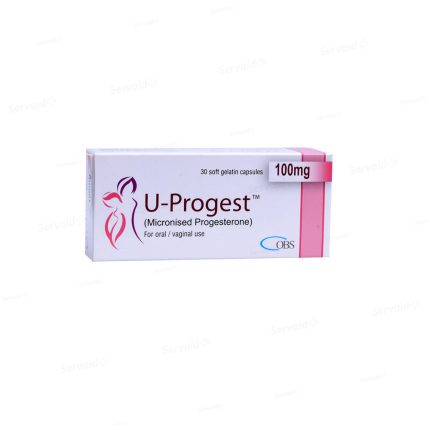
U-Progest ( MICRONISED PROGESTERONE ) OBS
Progesterone, a hormone naturally produced by women's ovaries, is found in U Progest capsules, a medication. Progesterone is crucial for controlling menstruation, preparing the uterus for pregnancy, and maintaining pregnancy. Here, we'll learn about the functions and adverse effects of U-Progest capsules.
Uses Of U Progest Capsule
U progest capsule is used for different purposes, such as:
Hormone Replacement Therapy (HRT)
Hormone replacement therapy (HRT) is for women who haven't had their uterus removed but have reached menopause. Menopause symptoms also, like hot flashes, night sweats, mood swings, and dry vaginal discharge, can be reduced with HRT. Most prog capsules are typically used alongside oestrogen to prevent endometrial hyperplasia, an expansion of the uterine lining, and lower the risk of uterine cancer.
Prevention Of Endometrial Hyperplasia
Endometrial hyperplasia prevention in female patients receiving oestrogen for osteoporosis or other ailments. Endometrial hyperplasia is a disorder where the uterine lining thickens excessively, which can cause irregular bleeding or cancer. The uterine lining is kept thin and healthy using the U progest capsule.
Treatment Of Secondary Amenorrhea
Women who haven't had a period in several months but aren't pregnant or menopausal should receive treatment for secondary amenorrhea. Numerous reasons, including stress, weight loss, intense exercise, or hormonal imbalance, might contribute to secondary amenorrhea; by simulating the natural progesterone that some women may lack, the U progest capsule aids in restoring the regular menstrual cycle.
Prevention Of Preterm Birth
They prevent preterm birth in pregnant women with a history of giving birth earlier than 37 weeks. The baby may experience significant health issues due to preterm birth, including breathing difficulty, brain bleeding, infections, and developmental disabilities. The uterus's muscles are relaxed, which prevents contractions, and thus lowers the risk of preterm birth.
View More: Methycobal Injection - Uses Side Effects And Price In Pakistan
Side Effects Of U Progest Capsule
There are three different strengths of U progest capsules: 100 mg, 200 mg, also and 400 mg. The condition is also treated, and the patient's response determines the dosage and course of the medication. Take the U progest pill with food or milk to prevent stomach distress. To keep the body's level of progesterone constant, it should be taken simultaneously each day. Without first seeing a doctor, it shouldn't be stopped suddenly. U progest pill side effects could include:
Breast tenderness or pain
Headache
Dizziness
Nausea
Vomiting
Diarrhea
Constipation
Bloating
Fatigue
Muscle or joint pain
Acne
Hair loss or growth
Changes in libido
Vaginal discharge or bleeding
Some of these also side effects may go away after also a few days or weeks of taking U progest capsule. However, if they persist or worsen, or if you experience any serious also side effects, such as:
Severe allergic reaction (rash, itching, swelling, difficulty breathing)
Chest pain or pressure
Shortness of breath
Coughing up blood
Irregular heartbeat
Severe headache
Vision changes
Slurred speech
Weakness or numbness also on one side of the body
You should stop taking U progest capsule and seek medical attention immediately. U progest pill is not suitable for everyone. You should not take U progest capsule if you have:
Allergy to progesterone or any other ingredient in U progest capsule
History of blood also clots in the legs, lungs, brain, or eyes
History of stroke or heart attack
History of breast cancer also or other hormone-sensitive cancers
Unexplained vaginal bleeding
Liver disease or dysfunction
Consult Your Doctor Before Taking U Progest
You should also indeed consult your doctor before taking U progest capsule if you have:
Diabetes mellitus
High blood pressure
High cholesterol levels
Migraine headaches
Epilepsy or other seizure disorders
Asthma or other respiratory disorders
Kidney disease or dysfunction
You should also indeed inform your doctor if you are pregnant, planning also to become pregnant, or breastfeeding while taking U progest capsule.
U Progest Capsule Price In Pakistan
Depending on the brand and dosage, Pakistan offers a variety of pricing for U progest capsules. According to some online sources, U Progest 200mg capsules cost approximately Rs. 820 per pack of 10 tablets, whereas U Progest 100mg capsules cost roughly Rs. 1430 per box of 10 pills.
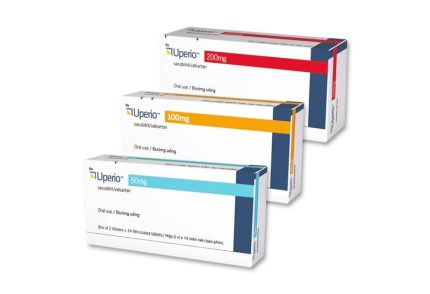
Uperio Tablet ( Sacubitril , Valsartan ) Novartis
Used For Heart Failure Sacubitril + valsartan inhibits neprilysin (neutral endopeptidase; NEP) , the active metabolite of the prodrug sacubitril and blocks the angiotensin II type-1 (AT1) receptor via valsartan. The cardiovascular and renal effects of sacubitril + valsartan in heart failure patients are attributed to the increased levels of peptides that are degraded by neprilysin, such as natriuretic peptides (NPs) and the simultaneous inhibition of the effects of angiotensin II by valsartan. NPs exert their effects by activating membrane bound guanylyl cyclase coupled receptors, resulting in increased concentrations of the second messenger cyclic guanosine monophosphate (cGMP), which could result in vasodilation, natriuresis and diuresis, increased glomerular filtration rate and renal blood flow, inhibition of renin and aldosterone release, reduction of sympathetic activity and anti hypertrophic and antifibrotic effects. Valsartan inhibits the effects of angiotensin II by selectively blocking the AT1 receptor and also inhibits angiotensin II-dependent aldosterone release. This prevents sustained activation of the renin-angiotensin-aldosterone system that would result in vasoconstriction, renal sodium and fluid retention, activation of cellular growth and proliferation and subsequent maladaptive cardiovascular remodeling.
USAGE AND SAFETY
Dosage
Sacubitril , Valsartan
Side Effects
Very Common : Hyperkalemia, hypotension and renal impairment.Common : Anemia, hypokalemia, hypoglycemia, dizziness, headache, syncope, vertigo, orthostatic hypotension, cough, diarrhea, nausea, gastritis, renal failure (renal failure, acute renal failure), fatigue and asthenia.Uncommon : Hypersensitivity, dizziness postural, pruritus, rash and angioedema.
Drug Interactions
Angiotensin Receptor Blockers , OATP1B1 and OATP1B3 substrates, e.g. statins , PDE5 inhibitors including sildenafil , potassium-sparing diuretics (triamterene, amiloride), mineralocorticoid antagonists (e.g. spironolactone, eplerenone), potassium supplements, salt substitutes containing potassium or other agents (such as heparin) , Non-steroidal anti-inflammatory agents (NSAIDs), including selective cyclooxygenase-2 (COX-2) inhibitors , Lithium , OATP1B1, OATP1B3, OAT3 (e.g. rifampicin, ciclosporin), OAT1 (e.g. tenofovir, cidofovir) or MRP2 (e.g. ritonavir) , Metformin HCl.
Indication
Sacubitril + Valsartan is indicated in adult patients for treatment of symptomatic chronic heart failure with reduced ejection fraction. Sacubitril + Valsartan is usually administered in conjunction with other heart failure therapies, in place of an ACE inhibitor or other ARB.
When not to Use
Sacubitril + Valsartan is contraindicated in patients with:• Hypersensitivity to the active substance, sacubitril, valsartan or to any of the excipient of the product.• Concomitant use with ACE inhibitors. Sacubitril + Valsartan must not be administered until 36 hours after discontinuing ACE inhibitor therapy.• Known history of angioedema related to previous ACE inhibitor or ARB therapy.• Hereditary or idiopathic angioedema.• Concomitant use with aliskiren-containing medicinal products in patients with diabetes mellitus or in patients with renal impairment (eGFR <60 ml/min/1.73 m2 ).• Severe hepatic impairment, biliary cirrhosis and cholestasis.• Second and third trimester of pregnancy
PRECAUTIONS
Precaution
Sacubitril + valsartan may cause angioedema. If angioedema occurs, discontinue sacubitril + valsartan immediately, provide appropriate therapy and monitor for airway compromise. Sacubitril + valsartan should not be used in patients with a known history of angioedema related to previous ACE inhibitor or ARB therapy.
WARNINGS
Warning 1
Sacubitril + valsartan lowers blood pressure and may cause symptomatic hypotension. Patients with an activated renin-angiotensin system, such as volume- and/or salt-depleted patients (e.g., those being treated with high doses of diuretics), are at greater risk. Correct volume or salt depletion prior to administration of sacubitril + valsartan or start at a lower dose. If hypotension occurs, consider dose adjustment of diuretics, concomitant antihypertensive drugs and treatment of other causes of hypotension (e.g., hypovolemia). If hypotension persists despite such measures, reduce the dosage or temporarily discontinue sacubitril + valsartan.
Warning 2
Through its actions on the RAAS, hyperkalemia may occur with sacubitril + valsartan. Monitor serum potassium periodically and treat appropriately, especially in patients with risk factors for hyperkalemia such as severe renal impairment, diabetes, hypoaldosteronism or a high potassium diet. Dosage reduction or interruption of sacubitril + valsartan may be required.
Warning 3
Caution should be exercised when initiating sacubitril + valsartan in patients with NYHA functional classification IV due to limited clinical experience in this population.
ADDITIONAL INFORMATION
Pregnancy category
Always consult your physician before using any medicine.
Storage (YES/NO)
Store this medicine at room temperature, away from direct light and heat.

Urso Suspension ( Ursodeoxycholic Acid ) AGP
ntroduction
How To Use
Please use it as prescribed by your health care provider. The dosage of this medicine is dependent on the age, condition, and its severity.
Expert Advice
What is the use of this medicine?
It is indicated in the treatment of primary biliary cirrhosis (a condition in the liver where bile builds up in an abnormal amount) and for the dissolution of radiolucent (not visible on the x-ray) gallstones in patients with a functioning gall bladder.
What are its side effects?
Most common side effects are nausea, dizziness, back pain, diarrhea, hair loss and cough. If you notice any allergic reaction, rash, itching consult your doctor immediately.
Is it safe for use during pregnancy and lactation?
It is found it can be used during pregnancy when needed and not known whether this drug passes into breast milk. Consult your doctor before.
How should it be administered?
It is given either as a single night time dose or in divided doses. This medication is always taken after meals.
How to store it?
It is supposed to be stored in a cool, dry, and UV light-free environment with the room temperature.
What are its precautions?
Soft and dry stools might result as a side effect, therefore, drink enough liquids to replace your fluid and salt balance. If you have certain medical conditions like gall bladder/bile duct problems consult your doctor before.
What are the contraindications?
Radio opaque stones, non-functioning gall bladder. Women if not on contraceptives, lactation.
Primary Uses
Non-alcoholic fatty liver
Indications
It is indicated in the treatment of primary biliary cirrhosis (a condition in the liver where bile builds up in an abnormal amount) and for the dissolution of radiolucent (not visible on the x-ray) gallstones in patients with a functioning gall bladder.
Side Effects
You may experience the following side effects:
Bladder pain
Cloudy or bloody urine
Skin rash
Severe nausea
Stomach pain
Warnings
Pregnancy
This medicine is safe to use during pregnancy. Consult your healthcare provider for further guidance.
Lactation
This medicine is safe to use during lactation. Consult your healthcare provider for further guidance.
Driving
No
Precautions
Avoid eating high cholesterol and oily fattening foods. It is recommended to consume low fat and healthy nutritious food alongside using this medicine such as fruits, almonds, avocados, etc. Inform your doctor about your past medical history before using this medicine, including any other medicines that you are using. Follow a light regular physical exercise routine. Limit the use of alcohol and tobacco.
Contraindications
CRadio opaque stones, non-functioning gall bladder. Women if not on contraceptives, lactation. Consult your doctor for further assistance.
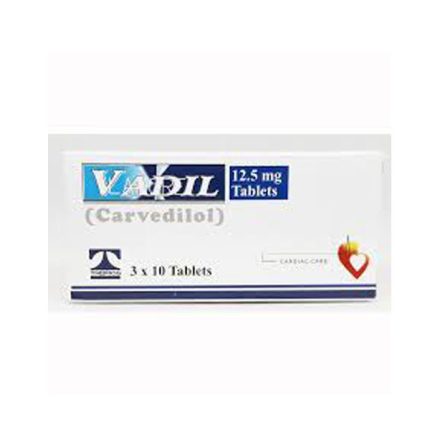
Vadil 12.5mg Tablet ( Carvedilol ) Tabros
Bronchitis, pneumonia, upper respiratory tract infection • Infections of the urinary tract • Low numbers of red blood cells • Increase in weight • Elevated cholesterol levels • Loss of control of blood sugar in people with diabetes • Depression, depressed mood • Visual disturbance • Reduced lacrimation, eye irritation • Slow heart rate • Oedema (swelling of the body or parts of the body), fluid overload, increased volume of blood in the body • Dizziness when standing up quickly • Problems with blood circulation (signs include cold hands and feet), hardening of the arteries (atherosclerosis) worsening of symptoms in patients with Raynaud’s disease (fingers or toes turn first bluish, then whitish, and then reddish together with pain) or claudication (pain in the legs which worsens when walking) • Asthma and breathing problems • Fluid accumulation in the lungs • Diarrhoea • Malaise, vomiting, stomach pains, indigestion • Pains (e.g. in the arms and legs) • Acute renal insufficiency and disturbances in renal function in patients with hardening of the arteries and/or impaired renal function • Difficulty in passing urine
Drug Interactions
Diltiazem, verapamil or amiodarone , isosorbide mononitrate or glyceryl trinitrate , Digoxin , doxazosin, reserpine, amlodipine or indoramin , fluoxetine, tricyclic antidepressants, barbiturates, phenothiazines, haloperidol or monoamine oxide inhibitors (MAOIs) , ciclosporin , clonidine or ergotamine , ibuprofen or diclofenac , estrogens , prednisolone , rifampicin or erythromycin , cimetidine , ketoconazole , ephedrine or pseudoephedrine .
Indication
It is used to treat angina (chest pain) and mild, moderate or severe heart failure. It is also used to treat high blood pressure (hypertension).
When not to Use
Do not take : If you are allergic to carvedilol or any of the other ingredients of this medicine ; If you have been told you have very severe heart failure and you have fluid retention (swelling) which is being treated with injections of medicines into your veins (intravenously); If you have liver disease; If you have impaired conduction of the heart (or heart block) .
PRECAUTIONS
Precaution
Patients with a chronic obstructive pulmonary disease with a tendency towards bronchospasms who are not treated with oral or inhalation medicine should only be given carvedilol if the expected improvement outweighs the possible risk. Patients should be monitored closely in the initial phase, and titration of carvedilol and carvedilol dose should be reduced in case of bronchospasms.
WARNINGS
Warning 1
Carvedilol may cause bradycardia. If there is a decrease in pulse rate to less than 55 beats per minute, and symptoms associated with bradycardia occur, the carvedilol dose should be reduced.
Warning 2
When carvedilol is used concomitantly with calcium channel blocking agents such as verapamil and diltiazem or with other antiarrhythmics, specifically amiodarone, the patient's blood pressure and ECG have to be monitored. Intravenous co-administration should be avoided .
Warning 3
Care should be taken in administrating carvedilol to patients with a history of serious hypersensitivity reactions and in those undergoing desensitisation therapy as beta-blockers may increase both the sensitivity towards allergens and the seriousness of anaphylactic reactions. Cautions should be exercised when prescribing beta-blockers to patients with psoriasis since skin reactions may be aggravated.
ADDITIONAL INFORMATION
Pregnancy category
Always consult your physician before using any medicine.
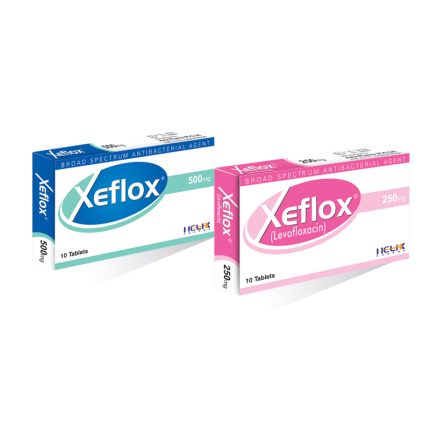
Xeflox 500mg Tab. ( Levofloxacin ) 10’s Helix Pharma
Bacterial Infection
How it works
Levofloxacin is a synthetic broad spectrum anti-bacterial agent. Chemically it is a chiral fluorinated carboxyquinolone. It acts by inhibiting DNA-gyrase. It is bactericidal and has activity against many gram +ve, gram –ve and Anaerobic bacteria.
Usage And Safety
Dosage
Levofloxacin
Side Effects
Itching and rash. Nausea, diarrhoea, loss of appetite, abdominal pain, dyspepsia, Headache, vertigo, dizziness, sleeping problems, paraesthesia e.g. like tingling in the hands, restlessness, anxiety, and confusions, drop of blood pressure, tendon pain, tendon rupture (Achilles Tendon).
Drug Interactions
Concurrent Antacids, Sucralfate, Metal Cations, Multivitamins , NSAID’s.
Indication
It is used to treat •Acute & Chronic Sinusitis • Community acquired pneumonia • Complicated Skin & Soft tissue Infections • Acute Pyelonephritis • Acute & Chronic Bronchitis • Nosocomial pneumonia • Complicated & Uncomplicated UTI • Typhoid & paratyphoid fever.
When not to Use
Levofloxacin is contraindicated in cases of hypersensitivity to the active ingredient or any other quinolone.
Precautions
Precaution
Serious and occasionally hypersensitivity and/or anaphylactic reactions have been reported in patients receiving therapy with quinolone, including Levofloxacin and should be discontinued immediately.
Warnings
Warning 1
Excessive exposure to sunlight should be avoided. Therapy should be discontinued if skin eruptions occurs.
Warning 2
Although Levofloxacin is more soluble than other quinolones, adequate hydration of patients receiving Levofloxacin should be maintained to prevent the formation of highly concentrated urine.
Warning 3
Levofloxacin should be administered with caution in the presence of renal insufficiency.
Additional Information
Pregnancy category
Always consult your physician before using any medicine.
Storage (YES/NO)
Store this medicine at room temperature, away from direct light and heat.
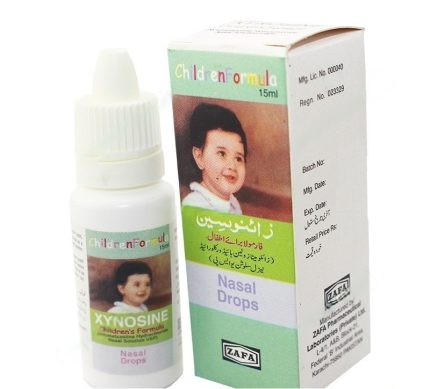
Xynosine Nasal Childern Drop ( Xylometazoline HCl ) ZAFA
Generics
Xylometazoline HCl
Used For
Nasal Congestion
How it works
Xylometazoline HCl Nasal Drops contain the active ingredient xylometazoline hydrochloride which helps to open up and clear the nasal passages by reducing the excessive nasal secretions and returning the swollen blood vessels to their normal size.
Xynosine Nasal Usage And Safety
Dosage
Xylometazoline HCl
Side Effects
Common (may affect up to 1 in 10 people): • Headache; • dry nose or pain in the nose; • nausea; • burning sensation .Uncommon (may affect up to 1 in 100 people): • Nose bleed. Very rare (may affect up to 1 in 10,000 people): • Tremor; • dizziness; • insomnia; • disturbances of vision (visual disturbances), which are transient; • increased blood pressure ; • irregular or rapid heartbeat.
Drug Interactions
Please tell your doctor or pharmacist before using this product if you are taking or have recently taken any medicines (especially monoamine oxidase inhibitors or other antidepressants) including those obtained without a prescription.
Indication
Xylometazoline HCl is used for short-term treatment of nasal congestion due to inflammation of mucous membranes of the nose or sinuses with a congested or runny nose, sneezing and mucus (rhinitis or sinusitis) for adults and children over 12 years of age.
When not to Use
Do not use if you are allergic to xylometazoline hydrochloride or any of the other ingredients of this medicine or in children under the age of 12. If you have recently undergone nasal surgery. In this case, consult your doctor before you start using Xylometazoline HCl nasal spray.
Xynosine Nasal Precautions
Precaution
As with other comparable medicinal products, Xylometazoline HCl nasal spray can cause sleep disturbances, dizziness and tremor in people who are sensitive to this. Please contact your doctor if these kind of symptoms become annoying.
Xynosine Nasal Warnings
Warning 1
As with other medicinal products which reduce swelling of the nasal mucosa, you may not use Xylometazoline HCl nasal spray contineously for more than a week at a time. Prolonged or excessive use can cause ‘rebound’-congestion (rebound: worsened symptoms of the condition return). If no improvement occurs within a week, contact your doctor.
Warning 2
Avoid contact with eyes and mouth.
Warning 3
The recommended dose should not be exceeded, especially in children and elderly.
Xynosine Nasal Additional Information
Pregnancy category
Always consult your physician before using any medicine.
Storage (YES/NO)
Store this medicine at room temperature, away from direct light and heat.

Yaz Tablet ( Drospirenone and ethinyl Estradiol ) Bayer
This medication is a combination of 2 hormones: an estrogen (ethinyl estradiol) and a progestin (drospirenone). This product is used to prevent pregnancy.This medication also may be used to treat premenstrual dysphoric disorder (PMDD) or moderate acne if you have chosen to use birth control pills as your method of pregnancy prevention.Besides preventing pregnancy, birth control pills may make your periods more regular, decrease blood loss and painful periods, and decrease your risk of ovarian cysts.Using this medication does not protect you or your partner against sexually transmitted diseases (such as HIV, gonorrhea, chlamydia).
How to use YAZ
Read the Patient Information Leaflet provided by your pharmacist before you start using this product and each time you get a refill. The leaflet contains very important information on when to take your pills and what to do if you miss a dose. If you have any questions, ask your doctor or pharmacist.
Take this medication by mouth as directed by your doctor, with or without food, usually once daily. Pick a time of day that is easy for you to remember, and take your pill at the same time each day, 24 hours apart. Taking this medication after your evening meal or at bedtime may help decrease stomach upset and nausea.
Follow the package instructions to find the first tablet, start with the first tablet in the pack, and take them in the correct order. Do not skip any doses. Pregnancy is more likely if you miss pills, start a new pack late, or take your pill at a different time of the day than usual.
Vomiting or diarrhea can prevent your birth control pills from working well. If you have vomiting or diarrhea, you may need to use a back-up birth control method (such as condoms, spermicide). Follow the directions in the Patient Information Leaflet and check with your doctor or pharmacist for more details.
Your pill pack contains 24 pills with active medication (with hormones). It also contains 4 reminder pills (without hormones) at the end of the pack. Take one active pill (with hormones) once daily for 24 days in a row. After you have taken the last active pill, take a reminder pill (without hormones) once daily for 4 days in a row unless otherwise directed by your doctor. You should have your period within 3 days after you take the last active tablet in the cycle during the fourth week of the pack. After you have taken the last inactive tablet in the pack, start a new pack the next day whether or not you have your period. If you do not get your period, consult your doctor.
If this is the first time you are using this medication and you are not switching from another form of hormonal birth control (such as the patch, other birth control pills), take the first tablet in the pack on the first Sunday following the beginning of your menstrual period or on the first day of your period. If your period begins on a Sunday, begin taking this medication on that day. For the first cycle of use only, use an additional form of non-hormonal birth control (such as condoms, spermicide) for the first 7 days to prevent pregnancy until the medication has enough time to work. If you start on the first day of your period, you do not need to use back-up birth control the first week.
Ask your doctor or pharmacist for information about how to switch from other forms of hormonal birth control (such as the patch, other birth control pills) to this product.