
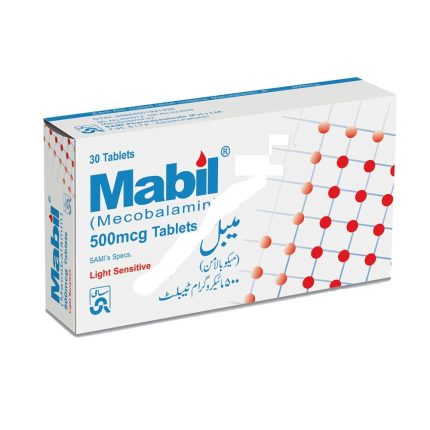
Mabil 500 Mcg ( Mecobalamin ) SAMI
Mabil tablet has mecobalamin as active ingredient. Mecobalamin is a form of vitamin b12 that is essential for the proper functioning of the nervous system and the production of red blood cells. It is a water-soluble vitamin that is involved in various metabolic processes in the body, including the synthesis of dna and the breakdown of fatty acids and amino acids. Mecobalamin is also important for maintaining normal cognitive function and for the development of the brain and nervous system in infants and young children.
Mecobalamin is commonly used as a dietary supplement to treat or prevent vitamin b12 deficiency, which can occur due to a variety of factors such as poor dietary intake, malabsorption, or certain medical conditions. Mecobalamin is also used as a treatment for various neurological conditions, such as peripheral neuropathy, diabetic neuropathy, bell's palsy.
Uses of mabil tablet
Some uses of mabil tablet are,
Treatment of vitamin b12 deficiency: mecobalamin tablets are often prescribed to treat or prevent vitamin b12 deficiency, which can occur due to poor dietary intake, malabsorption, or certain medical conditions. Vitamin b12 is important for the production of red blood cells and for the proper functioning of the nervous system.
Management of neurological conditions: mecobalamin tablets may also be used to manage various neurological conditions, such as peripheral neuropathy, diabetic neuropathy, and bell's palsy. These conditions can cause numbness, tingling, and pain in the limbs, as well as muscle weakness and difficulty walking.
Cognitive support: mecobalamin tablets may be used to support cognitive function and memory. Some studies suggest that vitamin b12 deficiency may be associated with cognitive decline and an increased risk of dementia.
Boosting energy levels: mecobalamin tablets may help to boost energy levels and reduce fatigue, especially in individuals with vitamin b12 deficiency.
Drug interactions
Some common drug interactions of mecobalamin include:
Chloramphenicol: chloramphenicol can decrease the absorption of vitamin b12 in the body, which may reduce the effectiveness of mecobalamin.
Metformin: long-term use of metformin may lead to vitamin b12 deficiency, which can be worsened by mecobalamin.
Proton pump inhibitors (ppis): ppis may reduce the absorption of vitamin b12, which can decrease the effectiveness of mecobalamin.
Colchicine: colchicine can interfere with the absorption of vitamin b12, which can decrease the effectiveness of mecobalamin.
Antibiotics: certain antibiotics, such as tetracyclines and aminoglycosides, can interfere with the absorption of vitamin b12, which can decrease the effectiveness of mecobalamin.
Disease interactions
Leber's disease: mecobalamin may worsen symptoms of leber's disease, a genetic condition that affects the optic nerve and can cause vision loss.
Polycythemia vera: mecobalamin may increase the production of red blood cells, which can worsen the symptoms of polycythemia vera, a condition in which the bone marrow produces too many red blood cells.
Hypokalemia: mecobalamin may cause hypokalemia, a condition in which the blood potassium level is too low. Hypokalemia can lead to muscle weakness, cramps, and heart rhythm abnormalities.
Renal failure: mecobalamin may accumulate in the body in patients with renal failure, which can increase the risk of side effects.
Gastrointestinal disorders: patients with gastrointestinal disorders such as inflammatory bowel disease, celiac disease, and atrophic gastritis may have difficulty absorbing vitamin b12, which can lead to deficiency and may require higher doses of mecobalamin.
Food interactions
There are no known food interactions with mecobalamin, which is a form of vitamin b12. Mecobalamin is commonly found in foods such as meat, fish, and dairy products, and can also be taken as a dietary supplement.
However, certain dietary factors can affect the absorption of vitamin b12 in the body. For example, a diet low in animal products may lead to vitamin b12 deficiency, and high doses of vitamin c can interfere with the absorption of vitamin b12. Additionally, consumption of alcohol may interfere with the absorption of vitamin b12 in the body.
View More: Co Eziday Tablet - Uses Side Effects And Price In Pakistan
Side effects of mabil tablet
Mecobalamin is generally considered safe when taken as directed, and side effects are rare. However, some people may experience the following side effects are,
Headache
Nausea or vomiting
Skin rash or itching
Vaccination area reactions, such as redness, inflammation, or ache
Diarrhea
In rare cases, high doses of mecobalamin can cause an allergic reaction, which can lead to breathing difficulties, hives, or swelling of the face, lips, tongue, or throat. If you occurrence any of these symptoms, look for medical attention straight away.
Dosing information
For vitamin b12 deficiency:
Oral tablets: typical doses range from 500 to 1,000 mcg per day, but higher doses may be necessary in some cases.
Injection: typical doses range from 100 to 1000 mcg per day, depending on the severity of the deficiency.
For peripheral neuropathy:
Oral tablets: typical doses range from 500 to 1500 mcg per day.
Injection: typical doses range from 500 to 1000 mcg per day for several days or weeks, followed by oral maintenance therapy.
For megaloblastic anemia:
Injection: typical doses range from 1000 to 5000 mcg every day or every other day for 1-2 weeks, followed by maintenance therapy.
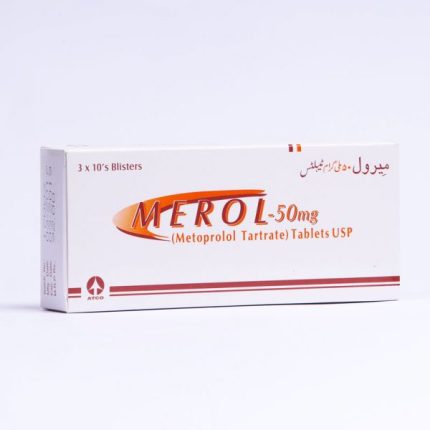
Merol 50mg Tablet( Metoprolol Tartrate ) ATCO
Metoprolol is a selective beta-1 blocker. Metoprolol tartrate is the derivative which is only available as an immediate-release tablet which means it must be taken several times per day. It can only be used in adults. Metoprolol tartrate is also FDA-approved as treatment right after a heart attack (acute myocardial infarction). Taking metoprolol tartrate after a heart attack may help reduce the risk of further cardiovascular events and death especially in those with coronary artery disease. Treatment should be started within 3 to 10 days after the heart attack.
Side Effects
fatigue or tiredness, dizziness, depression, shortness of breath (dyspnea), and slow heartbeat (bradycardia). Other common side effects include diarrhea, nausea, vomiting, and dry mouth.
Contraindications
Metoprolol tartarate should not be discontinued abruptly. If treatment with metoprolol is stopped abruptly, some people may experience a higher risk of heart attack, abnormal heart rhythm and chest pain.
Contraindicated in,
Severe bradycardia
Heart block greater than first degree
Cardiogenic shock
Decompensated heart failure
Sick sinus syndrome without a pacemaker
Hypersensitivity to any ingredients in these drugs
Disclaimer
Dawaai intention is to make sure that it's consumers get information that is accurate, reviewed by an expert and error-free. However, the information mentioned here should not be used as a replacement for the advice of a qualified physician. The information given here is for informational purposes only, which may not cover all possible precautions, side effects, contraindications or drug interactions. Consult your doctor and discuss your queries related to any medicine or disease.
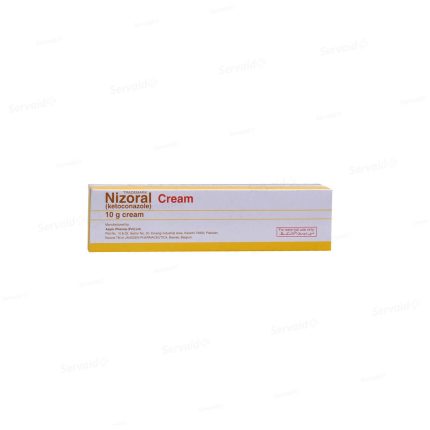
Nizoral Cream ( Ketoconazole ) Aspin Pharma
Ketoconazole is used to treat skin infections such as athlete's foot, jock itch, ringworm, and certain kinds of dandruff. This medication is also used to treat a skin condition known as pityriasis (tinea versicolor), a fungal infection that causes a lightening or darkening of the skin of the neck, chest, arms, or legs. Ketoconazole is an azole antifungal that works by preventing the growth of fungus.
How to use Nizoral Cream
Use this medication on the skin only. Clean and thoroughly dry the area to be treated. Apply this medication to the affected skin, usually once or twice a day or as directed by your doctor. Dosage and length of treatment depends on the type of infection being treated. Do not apply this more often than prescribed. Your condition will not clear faster, but side effects may be increased.
Apply enough medication to cover the affected skin and some of the surrounding skin. After applying this medication, wash your hands. Do not wrap, cover or bandage the area unless directed to do so by your doctor.
Do not apply this medication in the eyes, nose, mouth, or vagina. If this medication gets in the eyes (for example, when used to treat dandruff), rinse thoroughly with water.
Use this medication regularly in order to get the most benefit from it. Remember to use it at the same time(s) each day.
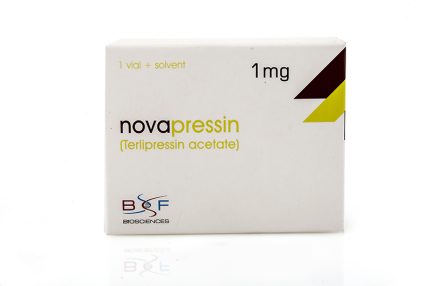
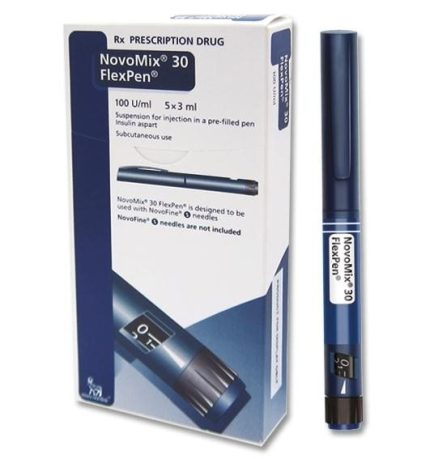
Novomix 100IU Inj. Insulin ( Novo Nordisk )
Manufactured By NOVO NORDISK INDIA PVT LTD
Contains Insulin Aspart (30 International units ) + Insulin Aspart Protamine (70 International units )
Novomix 30 Flexpen Injection is used for the treatment of diabetes mellitus (a condition with high blood sugar levels). This medicine is a combination of rapid-acting and intermediate-acting types of insulin that provide effective blood sugar control throughout the day.
Novomix 30 Flexpen Injection may result in low blood sugar levels, and you may feel hungry, irritable, dizzy, anxious, or shaky. Consult your doctor if these symptoms persist or become severe. Avoid consumption of alcohol during treatment with this medicine, as it may lower your blood sugar levels. This medicine may also cause low blood potassium levels, weight gain, swelling of your hands and feet, redness/swelling/itching at the site of the injection, etc.
Novomix 30 Flexpen Injection should be administered exactly as advised by your doctor. This medicine is to be injected under the skin. Administer it at the same time every day to maintain a constant level of this medicine in your body. Do not skip doses or discontinue the treatment without consulting your doctor, as it may cause an increase in your blood sugar levels.
Novomix 30 Flexpen Injection is not recommended if you are allergic to it. Inform your doctor if you have pre-existing liver or kidney problems. If you are pregnant or are breastfeeding, consult your doctor before starting treatment with this medicine.

Oleo Soap ( for Dry Skin ) Royal Derma
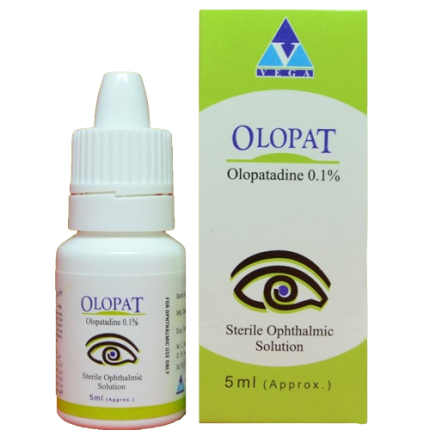
Olopat Eye Drop ( Olopatadine ) Vega
his medication is an antihistamine used to treat itching and redness in the eyes due to allergies.This medication is not recommended for the treatment of eye irritation due to wearing contact lenses.
How to use Olopatadine HCL Drops
If you are using the over-the-counter product to self-treat, read and follow all directions on the product package before using this medication. If you have any questions, consult your pharmacist. If your doctor has prescribed this medication, use it as directed.
Use this medication in the affected eye(s) as directed by the product package or by your doctor, usually once or twice a day.
To apply eye drops, wash hands first. To avoid contamination, do not touch the dropper tip or let it touch your eye or any other surface.
If you are wearing contact lenses, remove them before using eye drops. Wait at least 10 minutes before replacing your contact lenses. Tilt your head back, look upward, and pull down the lower eyelid to make a pouch. Hold the dropper directly over your eye and place one drop into the pouch. Look downward, gently close your eyes, and place one finger at the corner of your eye (near the nose). Apply gentle pressure for 1 to 2 minutes before opening your eyes. This will prevent the medication from draining out. Try not to blink or rub your eye. If directed to use this medication in both eyes, repeat these steps for your other eye. Do not rinse the dropper. Replace the dropper cap after each use.
If you are using another kind of eye medication (such as drops or ointments), wait at least 5 minutes before applying other medications. Use eye drops before eye ointments to allow the drops to enter the eye.
Wait several minutes for your vision to clear before driving or operating machinery.
Use this medication regularly to get the most benefit from it. To help you remember, use it at the same time(s) each day.
If your condition lasts or gets worse, or if you think you may have a serious medical problem, get medical help right away.
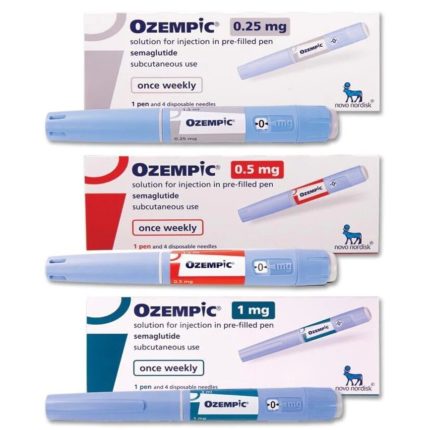
Ozempic Pen Insulin ( Semaglutide ) Novo Nordisk
Semaglutide injection is used to treat type 2 diabetes. It is used together with diet and exercise to help control your blood sugar. This medicine is also used to lower the risk of heart attack, stroke, or death in patients with type 2 diabetes, obesity, and heart or blood vessel disease. Semaglutide is a glucagon-like peptide-1 (GLP-1) receptor agonist.
Semaglutide injection is also used together with diet and exercise to help lose weight and keep the weight off in patients with at least one weight-related medical condition.
This medicine is available only with your doctor's prescription.
This product is available in the following dosage forms:
Solution
Back to top
Before Using
In deciding to use a medicine, the risks of taking the medicine must be weighed against the good it will do. This is a decision you and your doctor will make. For this medicine, the following should be considered:
Allergies
Tell your doctor if you have ever had any unusual or allergic reaction to this medicine or any other medicines. Also tell your health care professional if you have any other types of allergies, such as to foods, dyes, preservatives, or animals. For non-prescription products, read the label or package ingredients carefully.
Pediatric
Appropriate studies have not been performed on the relationship of age to the effects of Ozempic® in the pediatric population. Safety and efficacy have not been established.
Appropriate studies have not been performed on the relationship of age to the effects of Wegovy® in children younger than 12 years of age. Safety and efficacy have not been established.
Geriatric
Appropriate studies performed to date have not demonstrated geriatric-specific problems that would limit the usefulness of semaglutide injection in the elderly. However, elderly patients are more sensitive to the effects of this medicine than younger adults.
Breastfeeding
There are no adequate studies in women for determining infant risk when using this medication during breastfeeding. Weigh the potential benefits against the potential risks before taking this medication while breastfeeding.
Drug Interactions
Although certain medicines should not be used together at all, in other cases two different medicines may be used together even if an interaction might occur. In these cases, your doctor may want to change the dose, or other precautions may be necessary. When you are taking this medicine, it is especially important that your healthcare professional know if you are taking any of the medicines listed below. The following interactions have been selected on the basis of their potential significance and are not necessarily all-inclusive.
Using this medicine with any of the following medicines is usually not recommended, but may be required in some cases. If both medicines are prescribed together, your doctor may change the dose or how often you use one or both of the medicines.
Abiraterone Acetate
Abiraterone Acetate, Micronized
Acarbose
Chloroquine
Chlorpropamide
Ciprofloxacin
Delafloxacin
Enoxacin
Gatifloxacin
Gemifloxacin
Glimepiride
Glipizide
Glyburide
Grepafloxacin
Hydroxychloroquine
Insulin
Insulin Aspart, Recombinant
Insulin Bovine
Insulin Degludec
Insulin Detemir
Insulin Glulisine
Insulin Lispro, Recombinant
Levofloxacin
Lomefloxacin
Metformin
Moxifloxacin
Nateglinide
Norfloxacin
Ofloxacin
Repaglinide
Somatrogon-ghla
Sparfloxacin
Tolazamide
Tolbutamide
Trovafloxacin
Using this medicine with any of the following medicines may cause an increased risk of certain side effects, but using both drugs may be the best treatment for you. If both medicines are prescribed together, your doctor may change the dose or how often you use one or both of the medicines.
Albiglutide
Dulaglutide
Exenatide
Glecaprevir
Liraglutide
Lixisenatide
Pibrentasvir
Tirzepatide
Other Interactions
Certain medicines should not be used at or around the time of eating food or eating certain types of food since interactions may occur. Using alcohol or tobacco with certain medicines may also cause interactions to occur. Discuss with your healthcare professional the use of your medicine with food, alcohol, or tobacco.
Other Medical Problems
The presence of other medical problems may affect the use of this medicine. Make sure you tell your doctor if you have any other medical problems, especially:
Depression, history of or
Diabetic retinopathy, history of or
Digestion problems or
Kidney disease or
Type 2 diabetes (for patients using Wegovy®)—Use with caution. May make these conditions worse.
Diabetic ketoacidosis (ketones in the blood) or
Type 1 diabetes—Should not be used in patients with these conditions. Insulin is needed to control these conditions.
Multiple endocrine neoplasia syndrome type 2 (MEN 2) or
Thyroid cancer, history of—Should not be used in patients with these conditions.
Pancreatitis (inflammation of the pancreas), history of—It is not known if this medicine will be safe in patients with this condition.
Back to top
Proper Use
When you start using this medicine, it is very important that you check your blood sugar often, especially before and after meals and at bedtime. This will help lower the chance of having very low blood sugar.
Carefully follow the special meal plan your doctor gave you. This is the most important part of controlling your diabetes, and is necessary if the medicine is to work properly. Also, exercise regularly and test for sugar in your blood or urine as directed.
This medicine comes with a Medication Guide and patient instructions. Read and follow these instructions carefully. Ask your doctor if you have any questions.
If you will be using semaglutide at home, your doctor will teach you how the injections will be given. Be sure you understand exactly how the medicine is to be injected.
This medicine is given as a shot under the skin of your stomach, thighs, or upper arm. Use a different body area each time you give yourself a shot. Keep track of where you give each shot to make sure you rotate body areas.
If you use this medicine with insulin, do not mix them into the same syringe. It is acceptable to inject these in the same body area, but the shots should not be right next to each other.
Check the liquid in the pen. it should be clear and colorless. Do not use it if it is cloudy, discolored, or has particles in it.
Use a new needle each time you inject your medicine.
Never share medicine pens with others under any circumstances. It is not safe for one pen to be used for more than one person. Sharing needles or pens can result in transmission of infection.
Use this medicine on the same day each week, at any time of the day, with or without meals.
Dosing
The dose of this medicine will be different for different patients. Follow your doctor's orders or the directions on the label. The following information includes only the average doses of this medicine. If your dose is different, do not change it unless your doctor tells you to do so.
The amount of medicine that you take depends on the strength of the medicine. Also, the number of doses you take each day, the time allowed between doses, and the length of time you take the medicine depend on the medical problem for which you are using the medicine.
For type 2 diabetes and lowering the risk of heart attack or stroke:
For injection dosage form (Ozempic® solution):
Adults—At first, 0.25 milligrams (mg) injected under the skin once a week for 4 weeks. Your doctor may increase your dose as needed. However, the dose is usually not more than 2 mg once a week.
Children—Use and dose must be determined by your doctor.
For weight management and lowering the risk of heart attack or stroke:
For injection dosage form (Wegovy® solution):
Adults and children 12 years of age and older—At first, 0.25 milligrams (mg) injected under the skin once a week for 4 weeks. Your doctor may increase your dose every 4 weeks. However the dose is usually not more than 2.4 mg once a week.
Children younger than 12 years of age—Use and dose must be determined by your doctor.
Missed Dose
If you miss a dose of this medicine, take it as soon as possible. However, if it is almost time for your next dose, skip the missed dose and go back to your regular dosing schedule. Do not double doses.
If you miss a dose of Ozempic®, use it as soon as possible within 5 days after your missed dose. If you miss a dose for more than 5 days, skip the missed dose and go back to your regular dosing schedule.
If you miss a dose of Wegovy®, and the next scheduled dose is more than 2 days away, use it as soon as possible. If you miss a dose, and the next scheduled dose is less than 2 days away, skip the missed dose and go back to your regular dosing schedule. If you miss a dose of this medicine for more than 2 weeks, use it on the next scheduled dose. Ask your doctor about how to restart your treatment.
Storage
Keep out of the reach of children.
Do not keep outdated medicine or medicine no longer needed.
Ask your healthcare professional how you should dispose of any medicine you do not use.
Store in the refrigerator. Do not freeze.
Store your new, unused medicine pen in its original carton in the refrigerator. Do not freeze. You may store the opened Ozempic® pen in the refrigerator or at room temperature for 56 days or the opened Wegovy™ pen in the refrigerator or at room temperature for 28 days. Throw away the pen after you use it for 56 days for Ozempic® or 28 days for Wegovy®, even if it still has medicine in it.
Throw away used needles in a hard, closed container that the needles cannot poke through. Keep this container away from children and pets.
Back to top
Precautions
It is very important that your doctor check your progress at regular visits to make sure that this medicine is working properly. Blood and urine tests may be needed to check for unwanted effects.
Tell your doctor if you are pregnant or planning to become pregnant. Do not use this medicine for at least 2 months before you plan to become pregnant.
It is very important to carefully follow any instructions from your health care team about:
Alcohol—Drinking alcohol may cause severe low blood sugar. Discuss this with your health care team.
Other medicines—Do not take other medicines during the time you are using semaglutide unless they have been discussed with your doctor. This especially includes nonprescription medicines such as aspirin, and medicines for appetite control, asthma, colds, cough, hay fever, or sinus problems.
Counseling—Other family members need to learn how to prevent side effects or help with side effects if they occur. Also, diabetic patients may need special counseling about diabetes medicine dosing changes that might occur because of lifestyle changes, such as changes in exercise and diet. Furthermore, counseling on contraception and pregnancy may be needed because of the problems that can occur during pregnancy in patients with diabetes.
Travel—Keep a recent prescription and your medical history with you. Be prepared for an emergency as you would normally. Make allowances for changing time zones and keep your meal times as close as possible to your usual meal times.
In case of emergency—There may be a time when you need emergency help for a problem caused by your diabetes. You need to be prepared for these emergencies. It is a good idea to wear a medical identification (ID) bracelet or neck chain at all times. Also, carry an ID card in your wallet or purse that says that you have diabetes and a list of all of your medicines.
This medicine may increase the risk of having thyroid tumors. Tell your doctor right away if you have a lump or swelling in your neck or throat, trouble swallowing or breathing, or if your voice gets hoarse.
Pancreatitis (swelling of the pancreas) may occur while you are using this medicine. Check with your doctor right away if you have sudden and severe stomach pain, chills, constipation, nausea, vomiting, fever, or lightheadedness.
Check with your doctor right away if you have gaseous stomach pain, indigestion, recurrent fever, severe nausea or vomiting, stomach fullness, or yellow eyes or skin. These may be symptoms of gallbladder problems (eg, cholelithiasis, cholecystitis).
This medicine may cause diabetic retinopathy. Check with your doctor if you have blurred vision or any other changes in vision.
This medicine does not cause hypoglycemia (low blood sugar). However, low blood sugar can occur when you use semaglutide with other medicines, including insulin or sulfonylureas, that can lower blood sugar. Low blood sugar also can occur if you delay or miss a meal or snack, exercise more than usual, drink alcohol, or cannot eat because of nausea or vomiting.
Symptoms of low blood sugar include anxiety, behavior change similar to being drunk, blurred vision, cold sweats, confusion, cool, pale skin, difficulty with thinking, drowsiness, excessive hunger, fast heartbeat, headache (continuing), nausea, nervousness, nightmares, restless sleep, shakiness, slurred speech, or unusual tiredness or weakness.
If symptoms of low blood sugar occur, eat glucose tablets or gel, corn syrup, honey, or sugar cubes, or drink fruit juice, non-diet soft drink, or sugar dissolved in water to relieve the symptoms. Also, check your blood for low blood sugar. Glucagon is used in emergency situations when severe symptoms including seizures or unconsciousness occur. Have a glucagon kit available, along with a syringe and needle, and know how to use it. Members of your family should also know how to use it.
This medicine may cause serious allergic reactions, including anaphylaxis and angioedema, which can be life-threatening and require immediate medical attention. Check with your doctor right away if you have a rash, itching, hoarseness, trouble breathing, trouble swallowing, or any swelling of your hands, face, mouth, or throat while you are using this medicine.
This medicine may cause acute kidney injury. Check with your doctor right away if you have a bloody urine, decreased urine output, muscle twitching, nausea, rapid weight gain, seizures, stupor, swelling of the face, ankles, or hands, or unusual tiredness or weakness.
This medicine may increase your heart rate while you are at rest. Check with your doctor right away if you have fast or pounding heart beat.
Hyperglycemia (high blood sugar) may occur if you do not take enough or skip a dose of your antidiabetic medicine, overeat or do not follow your meal plan, have a fever or infection, or do not exercise as much as usual.
Symptoms of high blood sugar include blurred vision, drowsiness, dry mouth, flushed, dry skin, fruit-like breath odor, increased urination (frequency and amount), ketones in the urine, loss of appetite, stomachache, nausea or vomiting, tiredness, trouble breathing (rapid and deep), unconsciousness, or unusual thirst.
If symptoms of high blood sugar occur, check your blood sugar level and then call your doctor for instructions.
This medicine may cause some people to be agitated, irritable, or display other abnormal behaviors. It may also cause some people to have suicidal thoughts and tendencies or to become more depressed. Also tell your doctor if you have sudden or strong feelings, including feeling nervous, angry, restless, violent, or scared. If you or your caregiver notice any of these side effects, tell your doctor right away.
Do not take other medicines unless they have been discussed with your doctor. This includes prescription or nonprescription (over-the-counter [OTC]) medicines and herbal or vitamin supplements.
Side Effects
Along with its needed effects, a medicine may cause some unwanted effects. Although not all of these side effects may occur, if they do occur they may need medical attention.
Check with your doctor immediately if any of the following side effects occur:
Less common
Belching
bloated, full feeling
excess air or gas in the stomach or intestines
gaseous stomach pain
heartburn
passing gas
recurrent fever
stomach discomfort, fullness, or pain
yellow eyes or skin
Rare
Burning feeling in the chest or stomach
indigestion
stomach upset
tenderness in the stomach area
Incidence not known
Anxiety
blurred vision
chest tightness
chills
cold sweats
confusion
cool, pale skin
cough
darkened urine
difficulty swallowing
discouragement
dizziness
fast heartbeat
feeling sad or empty
headache
hives, itching
increased heart rate
increased hunger
irritability
lack of appetite
large, hive-like swelling on the face, eyelids, lips, tongue, throat, hands, legs, feet, or sex organs
loss of consciousness
loss of interest or pleasure
nausea
nightmares
pains in stomach, side, or abdomen, possibly radiating to the back
puffiness or swelling of the eyelids or around the eyes, face, lips, or tongue
redness of the skin
seizures
shakiness
skin rash
slurred speech
tiredness
trouble breathing
trouble concentrating
trouble sleeping
unusual tiredness or weakness
vomiting
Some side effects may occur that usually do not need medical attention. These side effects may go away during treatment as your body adjusts to the medicine. Also, your health care professional may be able to tell you about ways to prevent or reduce some of these side effects. Check with your health care professional if any of the following side effects continue or are bothersome or if you have any questions about them:
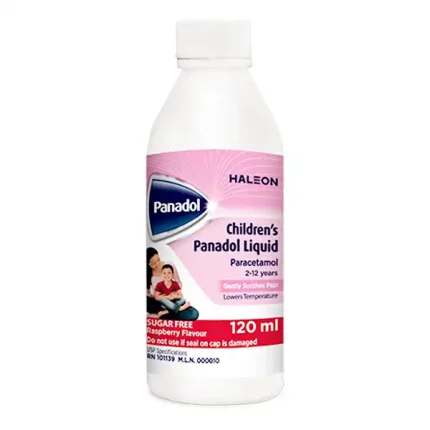
Panadol Children’s ( Paracetamol ) Haleon
Paracetamol has a central analgesic effect that is mediated through activation of descending serotonergic pathways. Debate exists about its primary site of action, which may be inhibition of prostaglandin (PG) synthesis or through an active metabolite influencing cannabinoid receptors.
Panadol Children's Usage And Safety
Dosage
Paracetamol
Side Effects
Thrombocytopenia, Anaphylaxis cutaneous hypersensitivity reactions including among others skin rashes, angioedema, Stevens Johnson syndrome, toxic epidermal necrosis, bronchospasm in patients sensitive to aspirin and other NSAIDs, hepatic dysfunction.
Drug Interactions
The anticoagulant effect of warfarin and other coumarins may be enhanced by prolonged regular daily use of paracetamol with increased risk of bleeding; occasional doses have no significant effect.
Indication
It provide fast and effective relief against: Headache , Migraine pain , Joint pain associated with Osteoarthritis , Muscle ache , Tooth ache , Period pain , Fever.
When not to Use
This product is contraindicated in patients with a previous history of hypersensitivity to paracetamol or excipients.
Panadol Children's Precautions
Precaution
It contains paracetamol. Do not use with any other paracetamol-containing products. The concomitant use with other products containing paracetamol may lead to an overdose.
Panadol Children's Warnings
Warning 1
Underlying liver disease increases the risk of paracetamol related liver damage. Patients who have been diagnosed with liver or kidney impairment must seek medical advice before taking this medication.
Warning 2
Cases of hepatic dysfunction/failure have been reported in patients with depleted glutathione levels, such as those who are severely malnourished, anorexic, have a low body mass index or are chronic heavy users of alcohol.
Warning 3
In patients with glutathione depleted states such as sepsis, the use of paracetamol may increase the risk of metabolic acidosis.
Panadol Children's Additional Information
Pregnancy category
Always consult your physician before using any medicine.
Storage (YES/NO)
Store this medicine at room temperature, away from direct light and heat.

Paraderm Soap (Scabies & Lice Kill )100gm
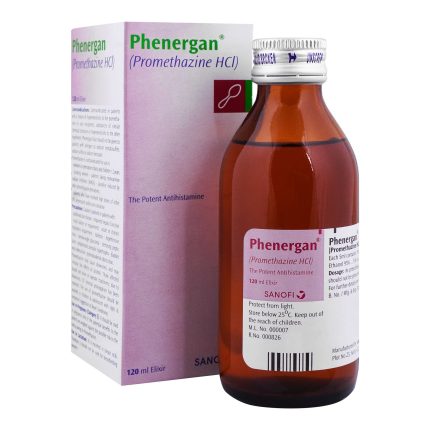
Phenergan 120ml Syrup ( Promethazine HCl ) SANOFI
How it works
It contain a medicine called promethazine hydrochloride. This belongs to a group of medicines called phenothiazines. It works by blocking a natural substance (histamine) that your body makes during an allergic reaction. It also works directly on the brain to help you feel more relaxed.
USAGE AND SAFETY
Dosage
Promethazine HCl
Side Effects
• Dry mouth, blurred vision or you cannot pass water (urine) • Feeling drowsy or sleepy, tiredness, disorientation, having nightmares, headaches, feeling restless • Loss of appetite (anorexia), indigestion • Feeling dizzy, lightheaded, faint (hypotension) • Feeling confused, especially in elderly people • Being more sensitive to the sun than usual. If this happens keep out of direct sunlight and do not use sun lamps • Unpleasant sensation or an overwhelming urge to move the legs (also called Restless Legs Syndrome).
Drug Interactions
• Some medicines for depression called monoamine oxidase inhibitors (MAOIs) • Anticholinergic medicines •Amitriptyline • Medicines to help you to sleep or feel more relaxed (such as diazepam or zolpidem) .
Indication
It is used to treat the following conditions: • For short term use: to treat adults with difficulty in sleeping (insomnia) • To treat allergic conditions such as hay fever or rashes (like nettle rash or hives) • To treat or stop you feeling sick (nausea) or being sick (vomiting) such as travel sickness • For short term use: as a sedative for children aged 5 years and above
When not to Use
Do not take this medicine if:The person taking the medicine is under 5 years of age ; You are allergic (hypersensitive) to promethazine hydrochloride or any of the other ingredients in the list ; The signs of an allergic reaction include: a rash, swallowing or breathing problems, swelling of your lips, face, throat or tongue.
PRECAUTIONS
Precaution
Use this medicine only as recommended. Do not exceed the recommended dose.
WARNINGS
Warning 1
Check with your doctor or pharmacist before taking your medicine if you have difficulty in breathing, wheezing, tightness in the chest (asthma) or an infection in your lungs (bronchitis).
Warning 2
Check with your doctor or pharmacist before taking your medicine if You have any serious heart problems .
Warning 3
Check with your doctor or pharmacist before taking your medicine if you have a stomach blockage or difficulty in passing water (urine).
ADDITIONAL INFORMATION
Pregnancy category
Always consult your physician before using any medicine.
Storage (YES/NO)
Store this medicine at room temperature, away from direct light and heat.

Pred Forte Eye Drop ( Prednisolone ) 5ml Barrett Hodgson Pakistan
Generics
Prednisolone
Used For
Eye Inflammation
How it works
It reduces the irritation, burning, redness and swelling of eye inflammation caused by chemicals, heat, radiation, allergy, or foreign objects in the eye.
Pred Forte Usage And Safety
Dosage
Prednisolone
Side Effects
*Allergic reaction * headache * increased pressure within the eye * centre of the eye becomes cloudy (cataracts) * A feeling that something is in your eye *Eye infections (bacterial, fungal or viral) * Mild stinging or irritation *Red eye *Blurred or poor vision * Pupil dilation * Change in sense of taste * Rash or itching
Drug Interactions
Ritonavir, cobicistat
Indication
It is used in adults for the short-term treatment of eye inflammation.
When not to Use
Do not use : If you are allergic to prednisolone acetate, benzalkonium chloride or any of the other ingredients of this medicine . - If you suffer from viral, fungal or bacterial eye infections . - If you suffer from tuberculosis of the eye.
Pred Forte Precautions
Precaution
It may cause temporary blurred vision. Do not drive or use machinery until the symptoms have cleared.
Pred Forte Warnings
Warning 1
Talk to your doctor before using if you suffer from, or have in the past suffered from Eye ulcers or have had a disease or treatment to the eye that caused the tissue to become thin.
Warning 2
This medicine contain Benzalkonium chloride . It may be absorbed by soft contact lenses and may change the colour of the contact lenses. You should remove contact lenses before using this medicine and put them back 15 minutes afterwards.
Warning 3
To avoid eye injury and contamination, do not let the tip of the dropper touch your eye or anything else.
Pred Forte Additional Information
Pregnancy category
Always consult your physician before using any medicine.
Storage (YES/NO)
Store this medicine at room temperature, away from direct light and heat.