
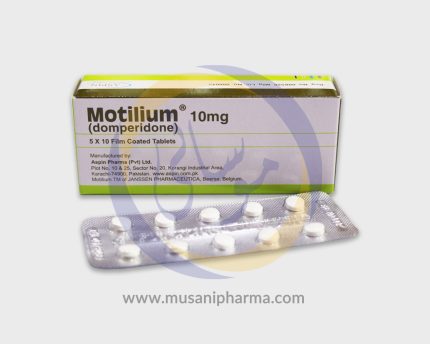
Motilium Tablet (Domperidone) – Aspin
MOTILIUM is used to treat the following conditions in adults:
nausea and vomiting
discomfort caused by a slow moving stomach known as gastroparesis. Symptoms include not being able to finish a meal, a feeling of being "too full" or bloated after a meal, a loss of appetite, feeling sick and maybe vomiting, or belching without relief.
MOTILIUM is an antiemetic and a prokinetic medicine. It works by blocking the action of a chemical messenger in the brain which causes the feeling of nausea and vomiting, as well as increasing the movement or contractions of the stomach and intestines, allowing food to move more easily through the stomach.
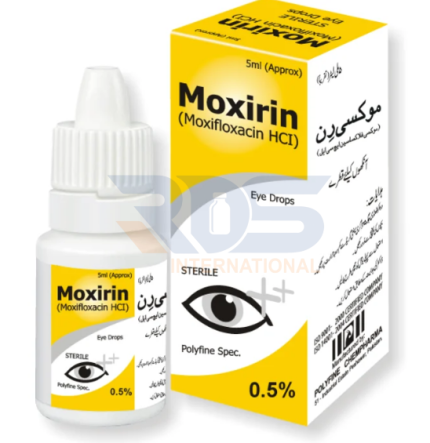
Moxirin Eye Drop 10ml (Moxifloxacin HCI) – Polyfine
**Product Overview**
Moxirin Eye Drop is an antibiotic medication used to treat bacterial infections of the eye. It contains Moxifloxacin, a fluoroquinolone antibiotic that helps eliminate bacteria by preventing their growth and multiplication.
**Key Benefits**
* Effectively helps treat bacterial eye infections
* Easy-to-apply eye drop formulation
* Provides relief from symptoms such as redness, irritation, swelling, and discharge
* Helps reduce the risk of infection spreading within the eye
**How It Works**
Moxirin Eye Drop contains Moxifloxacin, which works by blocking the bacterial enzymes required for DNA replication. This action prevents bacteria from multiplying, allowing the infection to clear more effectively.
**Directions for Use**
1. Wash your hands thoroughly before application.
2. Tilt your head backward and gently pull down the lower eyelid.
3. Hold the dropper above the eye and apply the prescribed number of drops.
4. Close your eye gently for a few moments to help the medication absorb.
5. Avoid touching the dropper tip to any surface, including the eye, to maintain cleanliness.
**Precautions**
* Do not use this product if you are allergic to Moxifloxacin or any of its ingredients.
* Consult your doctor before use if you are pregnant, breastfeeding, or have any existing medical conditions.
* Avoid wearing contact lenses during treatment unless directed otherwise by your healthcare provider.
**Storage Instructions**
Store at room temperature in a cool, dry place away from direct heat and moisture. Keep the bottle tightly closed when not in use and do not freeze the product.
Mydosone (2.5/100Mg/Ml) 5Ml Eye Suspension (Sulphacetamide, Prednisolone) – Remington Pharmaceutical Industries
Sulphacetamide + Prednisolone Eye Drops are a combination ophthalmic medication used to treat bacterial eye infections associated with inflammation. Sulphacetamide is a sulfonamide antibiotic that stops the growth of bacteria by inhibiting the production of folic acid required for bacterial survival. Prednisolone is a corticosteroid that helps reduce inflammation, redness, swelling, irritation, and discomfort in the affected eye. Together, they effectively eliminate bacterial infections while providing fast relief from inflammatory symptoms, promoting quicker healing and improved eye comfort.
Ingredients
Sulphacetamide
Prednisolone
Drug Class
Corticosteroid + Antibiotic Combination
Dosage Form
Eye Drops
Uses
Sulphacetamide + Prednisolone Eye Drops are commonly used for:
Treatment of bacterial eye infections such as conjunctivitis.
Reducing eye redness, swelling, irritation, and inflammation.
Managing post-operative eye inflammation after eye surgery.
Treating inflammatory eye conditions such as keratitis and uveitis.
Preventing bacterial infections in inflamed or injured eyes.
Treating eye injuries where infection and inflammation may occur.
Providing relief from allergy-related eye inflammation when bacterial infection is also present.
How It Works
Sulphacetamide works by preventing bacteria from producing folic acid, an essential nutrient required for their growth and multiplication. Prednisolone reduces inflammation by suppressing the release of inflammatory substances, helping relieve redness, swelling, itching, and pain. This dual-action formula treats infection while reducing inflammation for faster recovery.
How to Use
Wash your hands before use.
Shake the bottle well if instructed.
Tilt your head backward and gently pull down the lower eyelid.
Instill the prescribed number of drops into the affected eye.
Avoid touching the dropper tip to the eye or any other surface.
Close your eyes gently for 1–2 minutes after application.
Use exactly as directed by your healthcare professional.
When Not to Use
Do not use this medication if you:
Are allergic to Sulphacetamide, Prednisolone, or any ingredient in the formulation.
Have untreated viral, fungal, or tuberculosis-related eye infections.
Have herpes simplex keratitis.
Have glaucoma unless prescribed by your ophthalmologist.
Have a corneal ulcer or severe corneal injury.
Wear contact lenses during treatment unless advised by your doctor.
Possible Side Effects
Some patients may experience:
Mild burning or stinging sensation
Temporary blurred vision
Eye redness or irritation
Increased tearing
Itching
Sensitivity to light
Increased eye pressure with prolonged use
Rare allergic reactions
Seek medical advice if side effects persist or worsen.
Precautions & Warnings
For ophthalmic use only.
Do not swallow or inject.
Wash hands before and after application.
Do not touch the dropper tip to avoid contamination.
Remove contact lenses before applying the drops.
If using multiple eye medications, allow at least 5–10 minutes between each medicine.
Long-term corticosteroid use may increase the risk of glaucoma, cataracts, or secondary eye infections.
Use during pregnancy or breastfeeding only under medical supervision.
Drug Interactions
Inform your doctor if you are using:
Other ophthalmic corticosteroids
Ophthalmic antibiotics
Immunosuppressive medicines
NSAIDs
Oral anticoagulants
Live vaccines
Food Interactions
Since this medicine is applied directly to the eye, food interactions are generally minimal. However:
Avoid excessive grapefruit intake if advised by your doctor.
Maintain adequate hydration.
Follow a balanced diet to support overall eye health.
Storage
Store below 25°C in a cool, dry place.
Protect from direct sunlight and moisture.
Keep the bottle tightly closed after use.
Keep out of the reach of children.
Do not use after the expiry date.
Missed Dose
Apply the missed dose as soon as you remember. If it is almost time for your next scheduled dose, skip the missed dose and continue with your regular dosing schedule. Do not use a double dose.
Overdose
An overdose is unlikely with ophthalmic use. If excessive drops are used, rinse the eye with clean water. If the medication is accidentally swallowed or severe symptoms occur, seek immediate medical attention.
Quick Tips
Wash your hands before each application.
Complete the full prescribed course, even if symptoms improve.
Do not share your eye drops with others.
Avoid wearing contact lenses during treatment.
Keep the bottle tightly closed when not in use.
Never touch the dropper tip to any surface.
Follow your doctor's instructions for the best treatment outcome.

Nappy Rash Cream – Carecosmeticsofficial
Care Nappy Rash Cream is specially formulated with carefully selected ingredients that help protect your baby's delicate skin from irritation and discomfort caused by diaper rash. Its gentle formula creates a protective barrier on the skin, shielding it from excess moisture and friction that can lead to redness and soreness.
Enriched with naturally derived ingredients, the cream helps soothe irritated skin while supporting the skin's natural healing process. Its antibacterial properties help maintain skin hygiene and reduce the risk of minor skin infections associated with prolonged diaper use.
Regular application helps keep your baby's skin soft, smooth, and comfortable throughout the day. The non-greasy formula spreads easily, providing long-lasting protection against wetness while helping to prevent the recurrence of diaper rashes. Care Nappy Rash Cream is designed to promote healthy skin and ensure your baby stays happy, comfortable, and protected with every diaper change.
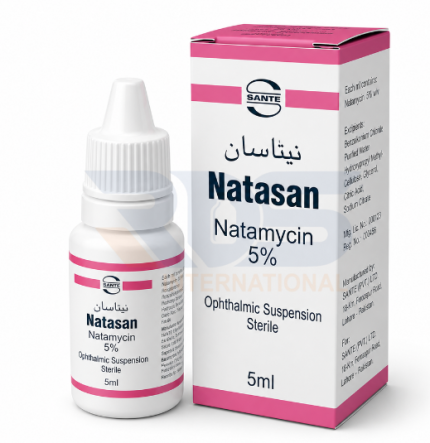
Natasan Eye Drops (Natamycin 5%) – Sante
Natasan Eye Drops
Product Overview
Natasan Eye Drops contain Natamycin 5%, a broad-spectrum antifungal medication used to treat fungal infections of the eye. It is highly effective against susceptible fungi that infect the cornea and conjunctiva, helping relieve discomfort while promoting faster healing. Natasan Eye Drops are formulated to provide targeted antifungal therapy for safe and effective eye care.
Key Benefits
Contains Natamycin 5%, a proven antifungal agent
Effectively treats fungal infections of the eye
Helps reduce redness, irritation, and inflammation
Relieves discomfort caused by fungal eye infections
Promotes healing of the cornea and surrounding tissues
Sterile ophthalmic suspension for topical ophthalmic use
How It Works
Natamycin is a polyene antifungal agent that works by binding to sterols in the fungal cell membrane. This disrupts the integrity of the fungal membrane, causing leakage of essential cellular components and ultimately leading to the death of the fungal cells. Its targeted action effectively eliminates susceptible fungi while helping restore normal eye health.
Directions for Use
Wash your hands thoroughly before application.
Shake the bottle well before each use.
Tilt your head backward and gently pull down the lower eyelid.
Instill one drop into the affected eye(s) as prescribed by your ophthalmologist.
Close your eyes gently for 1–2 minutes without blinking excessively.
Avoid touching the dropper tip to any surface, including the eye, to prevent contamination.
Use only as directed by your healthcare professional.
Precautions
For ophthalmic use only.
Do not use if you are allergic to Natamycin or any ingredient in the formulation.
Avoid wearing contact lenses during treatment unless advised by your eye specialist.
Do not touch the dropper tip to any surface.
If eye irritation, pain, swelling, or vision changes worsen or persist, consult your physician immediately.
Inform your doctor if you are pregnant, planning pregnancy, or breastfeeding before using this medicine.
Storage Instructions
Store below 25°C in a cool, dry place.
Protect from direct sunlight.
Do not freeze.
Keep the bottle tightly closed after each use.
Keep out of the reach of children.
Do not use after the expiry date printed on the package.
Manufacturer Information
Natasan Eye Drops are manufactured under strict pharmaceutical quality standards to ensure safety, sterility, and effectiveness. Each batch undergoes rigorous quality control to provide reliable treatment for fungal eye infections. Always use this medicine under the supervision of a qualified healthcare professional.
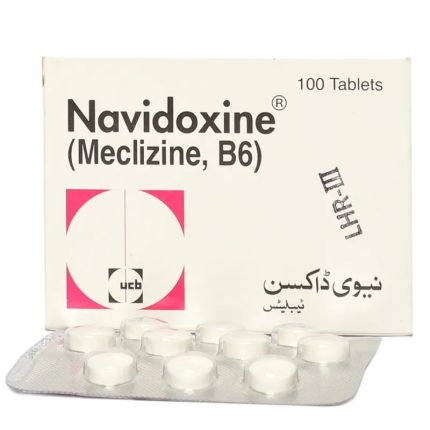
Navidoxine Tablet (Meclizine, B6) – ucb
Navidoxine tablet
Navidoxine tablet belongs to a class of medicines known as antihistamines. It is a prescription medicine used to treat motion sickness (nausea due to motion, especially while traveling in a moving vehicle), vertigo (spinning sensation or dizziness), or Meniere’s disease (problems with balance).
Dosage and administration: This product should be used in pregnant women only if absolutely necessary, and duration should be as short as possible and dosage should not exceed 50 mg of meclozine per day.
Adults and adolescents aged over 12 years should take two tablets two hours before travel. You can then take one tablet every eight hours during the journey if needed. Children aged 5 to 12 years should take one tablet two hours before travel.
Adults, elderly and children over 12 years: 2 tablets three times a day. Children 5 to 12 years: One half the adult dose. These doses should not be exceeded. Adults, elderly and children over 12 years: 2 tablets 2 hours before you travel and 1 tablet every 8 hours during your journey.
A person’s body goes through many changes throughout pregnancy. These include physical and hormonal changes that can cause excess gas. Gas pain can range from mild discomfort to severe pain throughout the abdomen, back, and chest. A person may also notice bloating and stomach or intestinal cramps.
Uses
This medicarion is indicated in prophylaxis and treatment of nausea and vomiting in pregnancy.
Uses of Vitamin B6
Navidoxine is used to treat Pyridoxine (vitamin B6) deficiency, antibiotic-induced neuropathy (nerve damage), idiopathic sideroblastic anemia (a blood disorder with an unknown cause) and premenstrual syndrome (a condition that affects women’s emotions)
Side effects of Vitamin B6
Its side effects are sensory neuropathy (nerve damage of sensory nerves) on long-term use
When not to use Vitamin B6
Its use is not allowed in case of hypersensitivity to the main constituents
Side Effects
Drowsiness, tiredness and dry mouth may occur.
When Not To Use
This medication is contraindicated in patients with kidney impairment, closed angle glaucome (pressure in the eye). Consult your doctor before using this medication.
How to take Vitamin B6
This medicine should be taken with food.
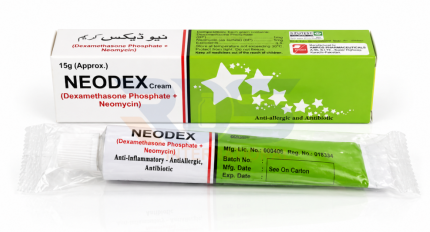
Neodex Cream 15g (Dexamethasone Phosphate+Neomysin) – Amros Pharmaceuticals
Here's a professional, website-ready description for **Neodex Cream** with polished wording and a pharmaceutical tone:
---
# **Neodex Cream (Dexamethasone Phosphate + Neomycin)**
## **Product Overview**
Neodex Cream is a topical combination of **Dexamethasone Phosphate** and **Neomycin**, formulated to help manage bacterial skin infections accompanied by inflammation. It combines the anti-inflammatory action of dexamethasone with the antibacterial properties of neomycin to relieve redness, swelling, itching, and discomfort while helping control susceptible bacterial infections.
---
## **Indications**
Neodex Cream is indicated for the treatment of inflammatory skin conditions where bacterial infection is present or likely to occur, including:
* Infected dermatitis and eczema
* Allergic skin inflammation with secondary bacterial infection
* Infected insect bites
* Minor skin infections associated with redness and irritation
* Other corticosteroid-responsive skin conditions, as advised by a healthcare professional
---
## **How It Works**
* **Dexamethasone Phosphate** helps reduce inflammation, redness, swelling, and itching.
* **Neomycin** is a broad-spectrum antibiotic that inhibits the growth of susceptible bacteria responsible for skin infections.
Together, they provide effective relief from both infection and inflammation.
---
## **Dosage & Administration**
* Apply a **thin layer** to the affected area **1–3 times daily**, or as directed by your physician.
* Clean and dry the affected skin before application.
* Wash your hands before and after applying the cream unless treating the hands.
* Avoid applying excessive amounts or using the cream for longer than prescribed.
---
## **Warnings & Precautions**
* **For external use only.**
* Avoid contact with the eyes, mouth, and other mucous membranes.
* Do not apply to large areas of skin or under airtight dressings unless advised by your physician.
* Prolonged or excessive use may increase the risk of skin thinning or other corticosteroid-related effects.
* If irritation, allergic reactions, or worsening of symptoms occur, discontinue use and consult your healthcare provider.
---
## **Possible Side Effects**
Neodex Cream is generally well tolerated when used as directed. However, some individuals may experience:
* Mild skin irritation
* Redness or itching
* Burning or stinging sensation at the application site
* Dryness of the skin
With prolonged use, skin thinning, discoloration, or secondary infections may occur.
---
## **Storage Instructions**
Store below **30°C** in a cool, dry place, protected from direct sunlight. Keep out of the reach of children.
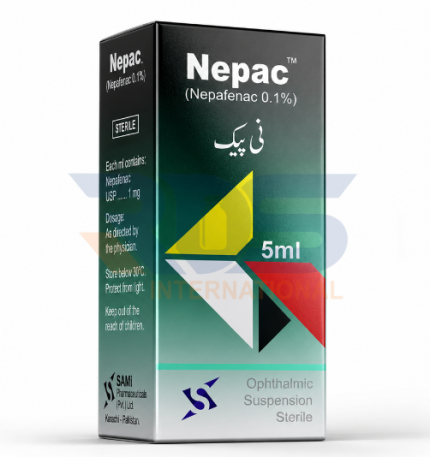
Nepac Eye Drops 5ml (Nepafenac) – sante (private) limited
Used For
Eye Inflammation
How It Works
Nepafenac is a non-steroidal anti-inflammatory drug (NSAID) available as a prodrug. After being applied to the eye, it penetrates the cornea and is converted by ocular tissue hydrolases into its active form, amfenac. Amfenac works by blocking the cyclooxygenase (COX) enzyme, which is responsible for producing prostaglandins—substances that cause pain and inflammation. This helps reduce eye inflammation and discomfort.
Usage & Safety
Dosage
Instill one drop into the affected eye(s) three times daily—morning, afternoon, and evening. Use the drops at the same time each day or as directed by your physician.
Side Effects
Like all medicines, Nepafenac may cause side effects, although not everyone experiences them.
Eye-related side effects:
Eye pain or discomfort
Dry eyes
Eyelid swelling
Eye irritation
Itchy eyes
Eye discharge
Allergic conjunctivitis (eye allergy)
Increased tear production
Eye redness
Deposits on the surface of the eye
Swelling or fluid buildup at the back of the eye (macular edema)
Iris inflammation
General side effects:
Headache
Dizziness
Nausea
Allergic reactions, including eyelid swelling
Skin inflammation, redness, or itching
Drug Interactions
Inform your doctor or pharmacist if you are taking, have recently taken, or plan to take any other medicines. Nepafenac may interact with other eye drops, including medications used to treat glaucoma. Tell your doctor if you are using blood-thinning medicines such as warfarin or other NSAIDs, as these may increase the risk of bleeding.
Indications
Nepafenac Ophthalmic Suspension is indicated in adults for:
Prevention and relief of eye pain and inflammation following cataract surgery.
Reduction of the risk of macular edema (swelling at the back of the eye) after cataract surgery in diabetic patients.
When Not to Use
Do not use this medicine if:
You are allergic to Nepafenac or any of its ingredients.
You are allergic to other non-steroidal anti-inflammatory drugs (NSAIDs).
You have previously experienced asthma, severe skin allergies, or nasal inflammation after using NSAIDs such as aspirin (acetylsalicylic acid), ibuprofen, ketoprofen, piroxicam, or diclofenac.
Precautions
Topical NSAIDs may cause keratitis (inflammation of the cornea). In some patients, prolonged use may lead to corneal epithelial damage, corneal thinning, erosion, ulceration, or even corneal perforation, which may threaten vision. If signs of corneal damage occur, discontinue the medicine immediately and consult your eye specialist for close monitoring.
Warnings
Topical anti-inflammatory medicines may mask the signs of an acute eye infection. Since NSAIDs do not have antibacterial properties, they should be used with anti-infective medicines only under medical supervision.
Contact lenses are generally not recommended during the recovery period after cataract surgery. Wear them only if advised by your doctor.
This medicine is for ophthalmic use only. Do not inject or swallow the product.
Additional Information
Pregnancy
If you are pregnant, planning to become pregnant, or breastfeeding, consult your physician before using this medicine.
Storage
Store at room temperature, away from direct heat and sunlight. Keep the bottle tightly closed and out of the reach of children.
Ye version website ke liye zyada professional, readable aur SEO-friendly hai, aur baaki medicines ki descriptions ke pattern se bhi match karega.
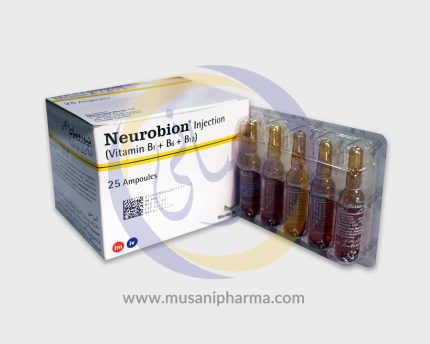
Neurobion Injection – Merck
Neurobion is a brand of supplements that contain a combination of B vitamins. Its manufacturers advertise that Neurobion can help improve nerve function.
Vitamin B-complex supplements, including Neurobion products, can help treat or prevent certain nutrient deficiencies. Talk to a doctor before taking any supplement, as they can interact with medication.
In this article, we look at the possible benefits, side effects, and risks of taking Neurobion.
Which vitamins do Neurobion products
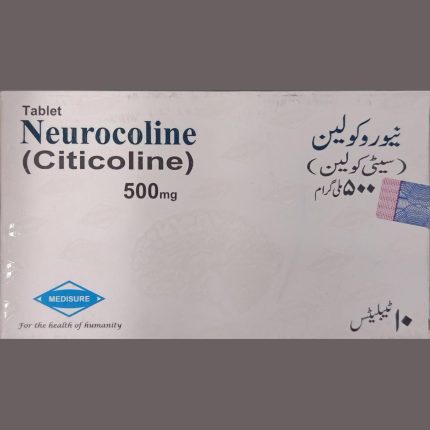
Neurocoline 500mg Caps (Citicoline) – Medisure
Citicoline is used for Improvement of neurological functions in patients with ischemic strokes, Treatment of head trauma, Treatment of cognitive disorders, Co-therapy treament for parkinson's disease and other conditions
Precautions
Consult Pharmacist or Doctor for right advice
Side Effects
It can cause Minor hypotensive effect,Stimulation of the parasympethatic system.
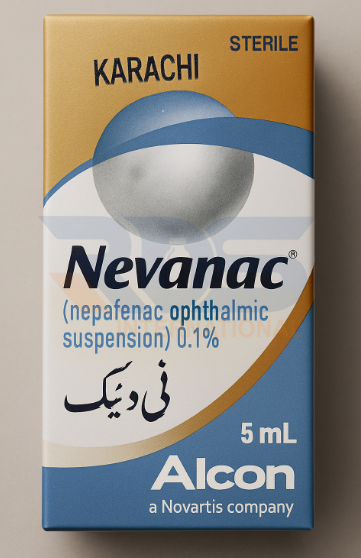
Nevanac Eye Drop 0.1% 5ml(Nepafenac) – Alcon
Eye Inflammation
How it works
Nepafenac is a non-steroidal anti-inflammatory and analgesic prodrug. After topical ocular dosing, nepafenac penetrates the cornea and is converted by ocular tissue hydrolases to amfenac, a nonsteroidal anti-inflammatory drug. Amfenac inhibits the action of prostaglandin H synthase (cyclooxygenase), an enzyme required for prostaglandin production.
Usage And Safety
Dosage
One drop in the affected eye or eyes, three times a day - morning, midday, and evening. Use at the same time each day . Or As directed by your physician.
Side Effects
Effects in the eye: Iris inflammation, eye pain, eye discomfort, dry eye, eyelid swelling, eye irritation, itchy eye, eye discharge, allergic conjunctivitis (eye allergy), increased tear production, deposits on the eye surface, fluid or swelling at the back of the eye, eye redness. General side effects: Dizziness, headache, allergic symptoms (eyelid allergic swelling), nausea, skin inflammation, redness and itching.
Drug Interactions
Tell your doctor or pharmacist if you are taking, have recently taken or might take any other medicines. Nepafenac can affect or be affected by other medicines you are using, including other eye drops for the treatment of glaucoma. Also tell your doctor if you are taking medicines that reduce blood clotting (warfarin) or other NSAIDs. They may increase the risk of bleeding.
Indication
It is to be used by adults to prevent and relieve eye pain and inflammation following cataract surgery on the eye and to reduce the risk of macular oedema (swelling in the back of the eye) following cataract surgery on the eye in diabetic patients .
When not to Use
Do not use - If you are allergic to nepafenac or any of the other ingredients of this medicine . - If you are allergic to other nonsteroidal anti-inflammatory drugs (NSAID) - If you have experienced asthma, skin allergy, or intense inflammation in your nose when using other NSAIDs. Examples of NSAIDs are: acetylsalicylic acid, ibuprofen, ketoprofen, piroxicam, diclofenac .
Precautions
Use of topical NSAIDs may result in keratitis. In some susceptible patients, continued use of topical NSAIDs may result in epithelial breakdown, corneal thinning, corneal erosion, corneal ulceration or corneal perforation . These events may be sight threatening. Patients with evidence of corneal epithelial breakdown should immediately discontinue use of nepafenac and should be monitored closely for corneal health.
WARNING:-
An acute ocular infection may be masked by the topical use of anti-inflammatory medicines. NSAIDs do not have any antimicrobial properties. In case of ocular infection, their use with anti-infectives should be undertaken with care.
Wearing contact lens is not recommended during the postoperative period following cataract surgery. Therefore, patients should be advised not to wear contact lenses unless clearly indicated by their doctor.
The product should not be injected. Patients should be instructed not to swallow nepafenac .
Additional Information
Pregnancy category
Always consult your physician before using any medicine.
Storage (YES/NO)
Store this medicine at room temperature, away from direct light and heat.

Newxine Tab 1 Box = 100 tablets (Meclozine,B6) – Rock Pharma
Newxine Tablets contain Meclozine and Vitamin B6. Meclozine is an antihistamine that helps prevent and relieve nausea, vomiting, and dizziness associated with motion sickness. Vitamin B6 is added to support the reduction of nausea symptoms.
Key Benefits:
• Helps control nausea, vomiting, and dizziness caused by motion sickness.
• Supports relief from nausea.
• Can be taken with or without food for convenience.
Possible Side Effects:
• Drowsiness
• Dry mouth
• Headache
• Fatigue or tiredness
• Dry nose and throat
• Blurred vision (rarely)
Precautions:
• Avoid driving or operating machinery until you know how this medicine affects you.
• Drinking alcohol may increase drowsiness and other side effects.
• Consult your doctor before use if you have liver or kidney problems, asthma, glaucoma, an enlarged prostate, or difficulty urinating.
• If you are pregnant or breastfeeding, seek medical advice before taking this medicine.
• Inform your doctor about all medicines you are using, including prescription medicines, over-the-counter products, vitamins, and herbal supplements