

Entamizole Syrup – Abbott
Metronidazole is a synthetic antibacterial and antiprotozoal agent that belongs to the nitroimidazole class. Metronidazole is effective therapy against protozoa such as Trichomonas vaginalis, amebiasis, and giardiasis
Entamizole Syrup
Entamizole syrup used for the treatment, control, prevention, & improvement of the following diseases, conditions and symptoms:
Stomachinfection
Abdominal infections
Amoebiasis
Anaerobic infections
Giardiasis
Infections of gum and dental cavities
Intestinal infection
Pelvic area infection
Brain infection
Lung infection
Bones infection
Amebic colitis
Entamizole Syrup may also be used for purposes not listed here.

Entamizole Tablet (Metronidazole Benzoate) – Abbott
This medication is used to treat sudden diarrhea (including traveler’s diarrhea). It works by slowing down the movement of the gut. This decreases the number of bowel movements and makes the stool less watery. Loperamide is also used to reduce the amount of discharge in patients who have undergone an ileostomy.
Entamizole Tablet is a medicine that is used for the treatment of Stomach infection, Intestinal infection, Amoebiasis, Abdominal infections, Antibiotic associated colitis, Peptic ulcer disease and other conditions.
The complete list of uses and indications for Entamizole Tablet is as follows:
Stomach infection
Intestinal infection
Amoebiasis
Abdominal infections
Antibiotic associated colitis
Peptic ulcer disease
Genital tract infection
Balantidiasis
Brain infection
Blood infection
Amebic colitis
Ulcerative gingivitis
Blastocysts hominies infection
Giardiasis
Infections of gum and dental cavities
Pelvic area infection
Lung infection
Bones infection
Pressure sores
Leg ulcers
Infections after surgery
Trichomonas vaginitis
Anaerobic infections
Trichomonas’s
Chronic periodontal infections
Rosacea
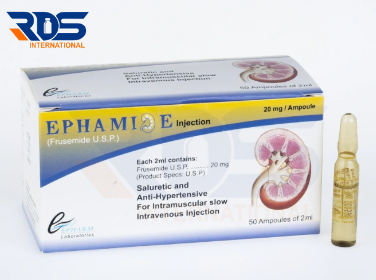
Ephamide 20mg Injection (Frusemide U.S.P.) – Epharm laboratories
Furosemide is a prescription medication used to treat fluid retention (edema) and high blood pressure (hypertension). It belongs to a class of medicines known as loop diuretics, commonly referred to as "water pills." Furosemide works by helping the kidneys remove excess salt (sodium), chloride, and water from the body through urine. This reduces fluid buildup, decreases swelling, and helps lower blood pressure.
Furosemide is commonly prescribed for edema associated with conditions such as heart failure, liver disease, and kidney disorders. By eliminating excess fluid, it helps relieve symptoms including swollen legs, ankles, feet, abdominal bloating, and shortness of breath caused by fluid accumulation. It is also effective in managing hypertension, helping to reduce the risk of serious complications such as heart attack, stroke, and kidney damage when blood pressure is properly controlled.
This medication can be used in both adults and children under the supervision of a healthcare professional. The dosage is individualized based on the patient's medical condition, age, and response to treatment. Regular monitoring of blood pressure, kidney function, and electrolyte levels may be recommended during therapy to ensure safe and effective treatment.
Furosemide should always be taken exactly as prescribed by a healthcare provider. Patients are advised to maintain adequate hydration and attend regular follow-up appointments, as excessive fluid loss may lead to dehydration or electrolyte imbalances. When used appropriately, Furosemide is an effective treatment for controlling fluid retention and supporting cardiovascular and kidney health.
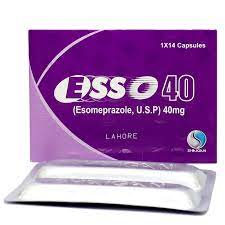
Esso 40mg Capsules ( Esomeprazole ) Shaigan
Esomeprazole is a prescription medicine used for treating GERD (gastroesophageal reflux disease). It is also used for treating esophageal lining damage caused by acid, as well as to avoid ulcers produced by NSAIDs and Helicobacter Pylori bacteria. This medicine belongs to a proton pump inhibitor class of medicines. These act by lowering the amount of stomach acid produced.
Side Effects
Patients using esomeprazole may at times experience headaches, skin reactions, dry mouth, and GI (gastro-intestinal) upset. If you experience any of these symptoms for a long period of time, consult your doctor immediately.
Warnings
Pregnancy
Esomeprazole can be used in pregnancy.
Lactation
Esomeprazole should not be used by breastfeeding mothers.
Precautions
Make sure to exclude any malignancy prior to starting the treatment and this medicine should be used with extreme caution in patients with severely impaired hepatic (liver) or renal (kidney) functions.
Contraindications
FAQS
Can this drug affect my kidneys and/or liver?
Yes this drug has a risk of serious kidney and liver injury.
Can you drink Alcohol with Esomeprazole?
No, this drug can cause drowsiness and dizziness if consumed with Alcohol.
Can I take Esomeprazole before bed?
It’s preferred to take this drug before bed making sure it’s on an empty stomach.
Does Esomeprazole affect memory loss?
Patients taking this drug have a 44% higher chance of getting dementia than those who haven’t taken this medication.
Does Esomeprazole cause headaches?
Headaches are a common side effect of this drug.
Can esomeprazole be bad for skin?
Esomeprazole may produce rashes on the skin.
I get nervous when I take this drug. Is this normal?
Yes the muscles tension produced by this drug may cause some anxiety.

Estranor Tablets 2mg/0.5mg (Estradiol Valerate , Nrgestreol) – saffron pharmaceutical
Uses & Indications
Hormone Replacement Therapy (HRT) is prescribed to relieve symptoms caused by reduced estrogen levels during perimenopause and menopause. It helps improve quality of life by replacing hormones that the body naturally produces in lower amounts.
It is commonly used for:
Relief of hot flashes and night sweats
Management of vaginal dryness and discomfort
Reduction of mood swings and irritability
Improvement of sleep disturbances associated with menopause
Treatment of irregular menstrual cycles during the menopausal transition
Prevention of postmenopausal bone loss (osteoporosis) in selected women
How It Works
This medicine contains estradiol (estrogen) along with progestogen. Estradiol replaces the estrogen that naturally declines during menopause, helping to relieve symptoms such as hot flashes, vaginal dryness, and mood changes.
The added progestogen protects the lining of the uterus (endometrium) by regulating menstrual bleeding and significantly reducing the risk of endometrial (uterine) cancer that may occur with estrogen-only therapy in women who still have a uterus.
Usage & Safety
Dosage
Adults: Take one estradiol tablet daily for 11 days, followed by one combined estradiol/progestogen tablet daily for the next 10 days, then have 7 tablet-free days before starting the next cycle. Treatment is generally started on the 5th day of the menstrual cycle, or as advised by your physician.
Children: Not applicable.
Always use this medicine exactly as prescribed by your healthcare provider.
Possible Side Effects
Common
Headache
Nausea
Abdominal pain
Weight gain or weight loss
Skin rash or itching
Breast tenderness
Irregular vaginal bleeding or spotting (usually improves with continued treatment)
Less Common
Allergic reactions
Dizziness
Depression or mood changes
Palpitations
Indigestion
Fluid retention (edema)
Hives (urticaria)
Breast pain
Visual disturbances
Rare
Anxiety
Migraine
Changes in sexual desire (libido)
Acne
Excessive hair growth
Muscle cramps
Painful periods
Vaginal discharge
Breast swelling
Fatigue
Contact lens intolerance
Seek immediate medical attention if you experience severe allergic reactions, chest pain, sudden shortness of breath, or signs of a blood clot.
Drug Interactions
Inform your doctor if you are taking any of the following medicines, as they may reduce the effectiveness of HRT or increase side effects:
Anti-epileptic medicines (e.g., phenytoin, phenobarbital)
Antibiotics (e.g., rifampicin, rifabutin)
HIV medicines, including protease inhibitors
Non-nucleoside reverse transcriptase inhibitors (e.g., nevirapine, efavirenz)
Herbal products containing St. John's Wort (Hypericum)
Medicines used to treat diabetes, including insulin
Indications
This two-phase hormonal therapy is indicated for:
Menopause-related symptoms
Perimenopausal hormonal imbalance
Irregular menstrual cycles caused by hormonal deficiency
Hormone replacement in women with estrogen deficiency
When Not to Use
Do not use this medicine if you:
Are allergic to estradiol, progestogen, or any ingredient in the formulation
Have or have had breast cancer
Have cancer of the uterus (endometrial cancer)
Have unexplained vaginal bleeding
Have untreated endometrial hyperplasia
Have a history of deep vein thrombosis (DVT), pulmonary embolism (PE), or other blood clotting disorders
Have severe liver disease unless approved by your physician
Precautions
Use this medicine only under regular medical supervision.
Stop taking the medicine immediately and seek medical attention if you develop:
Painful swelling or redness in one leg
Sudden chest pain
Difficulty breathing
Sudden loss of vision
Severe headache or weakness on one side of the body
Regular breast examinations, pelvic check-ups, and routine health screenings are recommended during treatment.
Warnings
Heart Disease:
Hormone Replacement Therapy is generally not recommended for women with current or recent heart disease. Discuss your medical history with your healthcare provider before starting treatment.
Cancer Risk:
Tell your doctor if you or a close family member has a history of breast, ovarian, or uterine cancer, as HRT may not be suitable for everyone.
Ovarian Cancer:
Long-term use of estrogen-containing HRT has been associated with a small increase in the risk of ovarian cancer. Your doctor will evaluate the benefits and risks before initiating long-term therapy.
Pregnancy & Breastfeeding
This medicine is not intended for use during pregnancy. If pregnancy occurs while taking this medicine, stop treatment and contact your doctor immediately.
Always consult your physician before using any medicine during pregnancy or breastfeeding.
Storage
Store at room temperature (below 25–30°C) in a cool, dry place, away from direct sunlight, heat, and moisture. Keep out of the reach of children.

Eyedra Eye Drop (Polyvinyl alcohol) – ALLERGAN Pharma
### EYEDRA Eye Drops (Polyvinyl Alcohol)
EYEDRA Eye Drops is a gentle and effective lubricating eye solution formulated with Polyvinyl Alcohol to provide long-lasting moisture and comfort for dry, tired, and irritated eyes. It helps restore the natural tear film, offering soothing relief from dryness caused by prolonged screen time, contact lens wear, air conditioning, dust, wind, and other environmental factors.
Designed for everyday eye care, EYEDRA helps keep the eyes refreshed, comfortable, and properly hydrated throughout the day.
### Key Benefits
✔ Provides instant lubrication and hydration for dry eyes
✔ Helps relieve irritation, burning, and discomfort
✔ Supports the natural moisture balance of the eyes
✔ Ideal for dryness caused by digital screen exposure
✔ Suitable for use with environmental irritants such as dust, smoke, and air conditioning
✔ Promotes long-lasting eye comfort and freshness
### How It Works
EYEDRA contains **Polyvinyl Alcohol**, a trusted ocular lubricant that forms a protective moisturizing layer over the eye surface. This helps reduce friction, retain moisture, and provide soothing relief from symptoms associated with dry eye conditions.
### Directions for Use
Instill the recommended number of drops into the affected eye(s) as directed by your healthcare professional or according to the product instructions.
If irritation persists or worsens, discontinue use and consult a healthcare professional.
### Pack Size
**10 mL Sterile Lubricating Eye Drops**
**Comfort, Hydration & Relief for Dry Eyes – Every Day.**

Eyemox-D Eye Drops 5ml (Moxifloxacin , Dexamethasone) – Vega pharma
**Eye Infection**
### How it Works
Moxifloxacin is a synthetic fluoroquinolone antibacterial agent that demonstrates in-vitro activity against a wide range of Gram-positive and Gram-negative ocular pathogens, atypical microorganisms, and anaerobic bacteria. It exerts its antibacterial effect by inhibiting topoisomerase II (DNA gyrase) and topoisomerase IV. DNA gyrase is an essential enzyme involved in bacterial DNA replication, transcription, and repair, while topoisomerase IV plays an important role in the separation of chromosomal DNA during bacterial cell division.
Dexamethasone is a highly potent, long-acting glucocorticoid. Corticosteroids act by binding to specific receptor molecules within responsive cells. They inhibit phospholipase A2 activity, thereby reducing the formation of inflammatory mediators such as prostaglandins. Corticosteroids also cause a temporary reduction in lymphocyte levels through cellular redistribution, affecting T lymphocytes more significantly than B lymphocytes. In addition, they decrease lymphokine production, reduce macrophage responsiveness, delay epithelial regeneration, suppress post-inflammatory neovascularization, and help restore the permeability of inflamed capillaries toward normal levels. Together, these actions contribute to the anti-inflammatory properties of dexamethasone.
### Usage and Safety
**Dosage**
Adults: Instill one or two drops into the conjunctival sac every 4 to 6 hours. During the first 24 to 48 hours of treatment, the dosage may be increased to 1–2 drops every 2 hours if required. The frequency should then be gradually reduced according to clinical improvement. Therapy should not be discontinued prematurely and should be used as directed by the physician.
**Side Effects**
Possible side effects may include:
* Conjunctival irritation
* Increased lacrimation
* Keratitis
* Papillary conjunctivitis
* Secondary infection
**Drug Interactions**
Use caution when taking with:
* Atropine and related compounds
* Phenytoin
* Phenobarbitone
* Ephedrine
* Rifampicin
**Indication**
Indicated for steroid-responsive inflammatory eye conditions where corticosteroid therapy is required and where bacterial infection is present or there is a risk of bacterial ocular infection. It is also used for post-operative inflammation and other ocular inflammatory conditions associated with infection.
**When Not to Use**
This medication is contraindicated in patients with known hypersensitivity to Moxifloxacin, other quinolone antibiotics, or any component of the formulation.
### Precautions
**Precaution**
Serious and occasionally fatal hypersensitivity (anaphylactic) reactions have been reported in patients receiving systemically administered quinolones, including Moxifloxacin. Some reactions have occurred following the first dose.
### Warnings
Patients should avoid activities requiring full mental alertness and coordination, such as operating machinery, until they know how these eye drops affect them.
If any allergic reaction to Moxifloxacin develops, discontinue the medication immediately. Severe acute hypersensitivity reactions may require urgent medical intervention.
**Adrenocortical Insufficiency:** Secondary adrenocortical insufficiency induced by corticosteroids may occur if treatment is stopped too quickly. This risk can be minimized through gradual dose reduction.
### Additional Information
**Pregnancy Category**
Always consult a healthcare professional before using any medication during pregnancy.
**Storage (YES/NO)**
Store at room temperature and protect from direct heat and light.

Fefol Caps – gsk
Generic Name: Ferrous gluconate
Product Name: Fefol
Indication
Fefol is used to prevent and treat iron deficiency anaemia and folate deficiency particularly during pregnancy.
Action
Iron is an essential trace element that is required for the formation of haemoglobin and myoglobin important components of the blood. Fefol tablets also contain a sufficient amount of folic acid to prevent the development of folate deficiency during pregnancy.
Dose advice

Femicon Eye Drops 5ml (Fluorometholone , Tetrahydrazoline HCl) – remington pharmaceutical
Used For
Eye Infection
How it works
The fluorometholone/tetrahydrozoline fixed combination consists of a less potent corticosteroid and a decongestant. Fluorometholone helps to relieve inflammation. Tetrahydrozoline , a direct acting sympathomimetic or nonselective alpha adrenergic agonist, constricts dilated conjunctival vessels.
Usage And Safety
Dosage
Adults & Children : Over 2 yr , 1 or 2 drops two to four times daily OR As directed by your physician.
Side Effects
Rise in intra-ocular pressure , corneal thinning , cataract , fungal infection.
Drug Interactions
Tell your doctor or pharmacist if you are taking or have recently taken any other medicines, including medicines obtained without a prescription.
Indication
Conjunctivitis , keratitis , inflammatory eye conditions.
When not to Use
Do not use If you are allergic to any of the ingredients in the list.
Precautions
Precaution
Sit or lie down to instill . Open eye , tilt head back , look at ceiling , instill solution into the eye . Do not blink for 30 seconds.
Warnings
Warning 1
If you experience eye pain, headaches, changes in vision, persistent redness or irritation of your eyes, or if your condition worsens or does not improve within 3 days, stop using this medication and consult a doctor.
You may experience blurred vision after using this medication. Do not drive or use any machines unless your vision is clear.
Do not use the drops while wearing contact lenses. Wait at least 15 minutes after use before putting your lenses back in. There is a preservative in this drops (benzalkonium chloride) that can cause eye irritation and is also know to discolour soft contact lenses.
Additional Information
Pregnancy category
Always consult your physician before using any medicine.
Storage (YES/NO)
Store this medicine at room temperature, away from direct light and heat.

Fenhil 10mg Tab. ( Finerenone ) 10’s ( Hilton )
Finerenone is primarily indicated for adults with chronic kidney disease (CKD) associated with type 2 diabetes. It is used to:
Reduce the risk of sustained decline in estimated glomerular filtration rate (eGFR).
Lower the chances of end-stage kidney disease (ESKD).
Decrease the risk of cardiovascular events such as non-fatal myocardial infarction and hospitalization for heart failure.
Dosage:
The initial recommended dose of Finerenone is 10 mg or 20 mg once daily, based on the patient’s kidney function (eGFR).
If the eGFR is ≥60 mL/min/1.73 m², start with 20 mg once daily.
If the eGFR is between 25-60 mL/min/1.73 m², start with 10 mg once daily.
The dose can be adjusted based on the patient’s potassium levels and kidney function during treatment.
Content
10 mg Tablets
20 mg Tablets
Pregnancy
Not Recommended
Stability
mineralocorticoid receptor antagonist (MRA)
Contra Indications
Finerenone is contraindicated in patients with known hypersensitivity to the drug, severe hyperkalemia (potassium levels > 5.5 mEq/L), and severe renal impairment (eGFR < 25 mL/min/1.73 m²). It should also be avoided in individuals using other potassium-sparing medications or strong CYP3A4 inhibitors due to an increased risk of hyperkalemia.

Ferrium Tablets (Iron Bisglycinate , Folic acid , Vitamin + Zinc) – horizon pharmaceuticals
Used For
Anaemia
How it Works
This medication is an iron supplement used to treat or prevent low iron levels in the blood caused by conditions such as anaemia or pregnancy. It also contains folic acid, which helps prevent or treat folate deficiency that may lead to certain types of anaemia. Vitamin B12 plays an essential role in the production of healthy red blood cells, helping transport oxygen throughout the body.
Usage and Safety
Dosage
Take as directed by your physician.
Side Effects
Constipation, diarrhea, stomach cramps, nausea, or an upset stomach may occur. These effects are usually temporary and may improve as your body adjusts to the medication. Iron may also cause your stools to turn black, which is a harmless and expected effect.
Drug Interactions
This product may reduce the absorption of certain medications, including bisphosphonates (such as alendronate), levodopa, penicillamine, quinolone antibiotics (such as ciprofloxacin and levofloxacin), thyroid medications (such as levothyroxine), and tetracycline antibiotics (such as doxycycline and minocycline). Avoid taking this medicine with antacids. Leave at least a 2-hour gap between this medication and any antacid.
Indication
This medication is an effective and safe source of iron used to treat or prevent iron deficiency and iron deficiency anaemia, including cases associated with pregnancy.
When Not to Use
Do not use this medication if you have an iron overload disorder or are allergic to any of its ingredients. Inform your doctor about your complete medical history before starting treatment.
Precautions
Accidental overdose of iron-containing products can be dangerous, especially in children. Folic acid may mask the symptoms of vitamin B12 deficiency; therefore, use this medication only as advised by your healthcare provider.
Warnings
Iron may cause your stools to turn black, which is a normal and harmless effect.
Do not take this medication at the same time as antacids. Maintain a gap of at least 2 hours between doses.
Iron is best absorbed on an empty stomach (1 hour before or 2 hours after meals). Avoid lying down for at least 10 minutes after taking the medication.
Additional Information
Pregnancy Category
Always consult your physician before using this medicine during pregnancy or breastfeeding.
Storage
Store at room temperature, away from direct sunlight, heat, and moisture. Keep out of the reach of children.
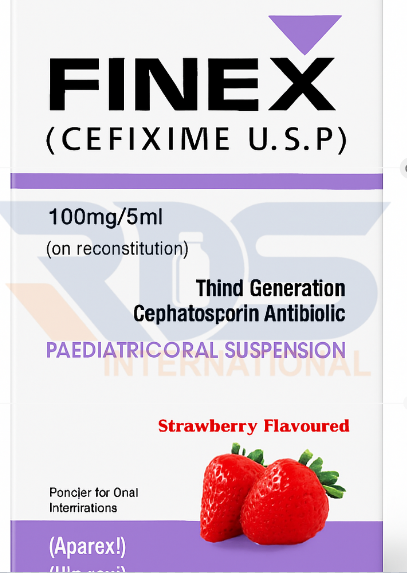
Finex 100mg|5ml suspension (CEFIXIME U.S.P.) – Polyfine
**How To Use**
Take this medication orally with a full glass of water.
It may be taken with or without food.
Swallow the medicine whole; do not crush, break, or chew it.
For best results, take it at the same time each day.
Use exactly as directed by your healthcare provider.
**Expert Advice**
This medicine can be taken with or without meals; however, taking it with food may help minimize stomach discomfort. Use it regularly as prescribed.
If using the suspension form, shake the bottle thoroughly before each use and measure the dose with a proper measuring device.
Drink plenty of fluids during treatment to maintain adequate hydration.
Consult your doctor if you experience persistent diarrhea, vaginal irritation or itching, mouth ulcers, foul-smelling or bloody stools, blood in urine, fever, chills, or a coated tongue.
**Primary Uses**
* Bacterial Infections
* Typhoid Fever
**Indications**
This medicine is used for the treatment of infections caused by susceptible bacteria affecting the respiratory tract, urinary tract, skin and soft tissues, and biliary tract (gallbladder and bile ducts).
**Side Effects**
Some patients may experience the following side effects:
* Dizziness
* Lightheadedness
* Increased bowel movements
* Chills
* Bleeding gums
* Diarrhea
**Warnings**
**Pregnancy**
There is limited information available regarding the use of this medicine during pregnancy. Consult your doctor before using this medication.