
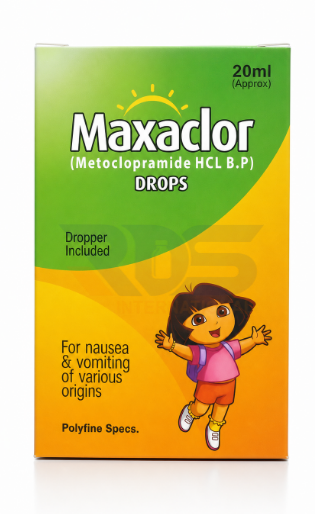
Maxaclor 20ml Drop (Metoclopramide)- Polyfine Chempharma
## **How It Works**
Maxaclor contains **Levocetirizine Hydrochloride**, a second-generation antihistamine that works by blocking the action of **histamine**, a natural substance released during allergic reactions. By preventing histamine from binding to its receptors, Maxaclor helps relieve common allergy symptoms while causing minimal drowsiness in most patients.
---
## **Dosage & Administration**
### **Administration**
* Use Maxaclor exactly as prescribed by your physician.
* The drops may be taken **with or without food**.
* Measure the prescribed dose using the supplied dropper or a calibrated measuring device to ensure accurate dosing.
* Do not exceed the recommended dosage.
---
## **Indications**
Maxaclor is indicated for the relief of symptoms associated with allergic conditions, including:
* Allergic rhinitis (seasonal and perennial)
* Sneezing
* Runny nose
* Itchy or watery eyes
* Itching associated with chronic urticaria (hives)
---
## **Warnings & Precautions**
* Inform your physician if you have **kidney disease** or any history of hypersensitivity to Levocetirizine or similar antihistamines.
* Although less common than with first-generation antihistamines, mild drowsiness may occur in some individuals. Avoid driving or operating machinery until you know how the medicine affects you.
* Avoid alcohol and other medicines that may cause drowsiness unless advised by your healthcare professional.
* Use during pregnancy or breastfeeding only after consulting your physician.
---
## **Possible Side Effects**
Maxaclor is generally well tolerated. However, some patients may experience:
* Drowsiness or fatigue
* Dry mouth
* Headache
* Dizziness
* Sore throat or nasal irritation (occasionally)
If you experience signs of an allergic reaction, such as difficulty breathing, swelling of the face, lips, tongue, or throat, seek immediate medical attention.
---
## **Storage Instructions**
Store below **30°C** in a cool, dry place, away from direct sunlight and moisture. Keep out of the reach of children.

Merol 50mg Tablet( Metoprolol Tartrate ) ATCO
Metoprolol is a selective beta-1 blocker. Metoprolol tartrate is the derivative which is only available as an immediate-release tablet which means it must be taken several times per day. It can only be used in adults. Metoprolol tartrate is also FDA-approved as treatment right after a heart attack (acute myocardial infarction). Taking metoprolol tartrate after a heart attack may help reduce the risk of further cardiovascular events and death especially in those with coronary artery disease. Treatment should be started within 3 to 10 days after the heart attack.
Side Effects
fatigue or tiredness, dizziness, depression, shortness of breath (dyspnea), and slow heartbeat (bradycardia). Other common side effects include diarrhea, nausea, vomiting, and dry mouth.
Contraindications
Metoprolol tartarate should not be discontinued abruptly. If treatment with metoprolol is stopped abruptly, some people may experience a higher risk of heart attack, abnormal heart rhythm and chest pain.
Contraindicated in,
Severe bradycardia
Heart block greater than first degree
Cardiogenic shock
Decompensated heart failure
Sick sinus syndrome without a pacemaker
Hypersensitivity to any ingredients in these drugs
Disclaimer
Dawaai intention is to make sure that it's consumers get information that is accurate, reviewed by an expert and error-free. However, the information mentioned here should not be used as a replacement for the advice of a qualified physician. The information given here is for informational purposes only, which may not cover all possible precautions, side effects, contraindications or drug interactions. Consult your doctor and discuss your queries related to any medicine or disease.
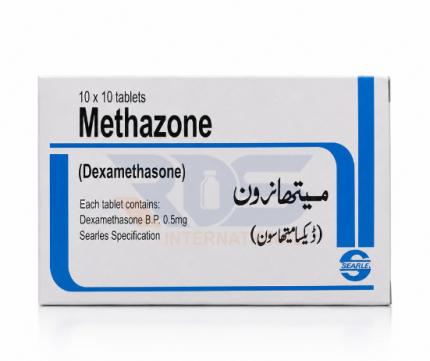
Methazone Tab (Dexamethasone) – Semos Pharmaceuticals
Absolutely. Here's a professionally written, pharmaceutical website-ready description for **Methazone (Dexamethasone 0.5 mg Tablets)**. I've refined the wording, improved the structure, and ensured the medical information remains accurate.
---
# **Methazone Tablets (Dexamethasone 0.5 mg)**
## **Uses**
Methazone contains **Dexamethasone**, a corticosteroid that helps reduce inflammation and suppress excessive immune system activity. It is prescribed for the treatment of a wide range of inflammatory, allergic, and autoimmune conditions, including:
* Severe allergic reactions requiring corticosteroid therapy
* Inflammatory conditions such as arthritis, asthma, and atopic dermatitis
* Autoimmune disorders, including multiple sclerosis
* Adrenal insufficiency as replacement therapy
* Reduction of cerebral edema (brain swelling)
* Management of severe inflammatory conditions, as directed by a healthcare professional
---
## **How It Works**
Dexamethasone works by suppressing the body's inflammatory and immune responses. It reduces the production of inflammatory chemicals, helping relieve swelling, redness, pain, and allergic reactions while controlling excessive immune activity.
---
## **Dosage & Administration**
### **Strength**
Each tablet contains **Dexamethasone 0.5 mg**.
### **Administration**
* Take Methazone **exactly as prescribed** by your physician.
* It is generally recommended to take the tablet **once daily**, preferably **in the morning after breakfast**, with a full glass of water.
* Do **not** take the medication on an empty stomach, as it may increase the risk of stomach irritation.
* Follow your physician's instructions carefully regarding dosage and duration of treatment.
---
## **Warnings & Precautions**
* Methazone is a **prescription-only corticosteroid** and should be used only under medical supervision.
* Inform your physician if you have **diabetes, hypertension, osteoporosis, glaucoma, liver disease, kidney disease, or any active infection** before starting treatment.
* Avoid close contact with individuals who have contagious infections while taking corticosteroids.
* Long-term treatment requires regular medical monitoring to minimize potential adverse effects.
---
## **Possible Side Effects**
Like all medicines, Methazone may cause side effects, although not everyone experiences them.
### **Common Side Effects**
* Increased appetite
* Difficulty sleeping (insomnia)
* Mood changes or irritability
* Increased sweating
* Indigestion or stomach discomfort
### **Long-Term Use**
Prolonged use may increase the risk of:
* Osteoporosis (bone thinning)
* Elevated blood sugar levels
* Increased susceptibility to infections
* Cataracts or glaucoma
* Adrenal suppression
Consult your physician if any side effects persist or become severe.
---
## **Important Safety Information**
* **Do not discontinue Methazone abruptly.** Sudden withdrawal may lead to adrenal insufficiency and worsening of your condition. Your physician will gradually reduce the dose when treatment needs to be stopped.
* Take the medication only for the duration prescribed.
* Keep all follow-up appointments to ensure appropriate monitoring during therapy.
---
## **Storage Instructions**
Store below **30°C** in a cool, dry place, away from direct sunlight and moisture. Keep out of the reach of children.

Metxone Tablet 5mg (Metolazone) – Allianze Med
Hypertension
How it works
It is a quinazoline diuretic, with properties generally similar to the thiazide diuretics. The actions of Metolazone result from interference with the renal tubular mechanism of electrolyte reabsorption. Metolazone acts primarily to inhibit sodium reabsorption at the cortical diluting site and to a lesser extent in the proximal convoluted tubule. Sodium and chloride ions are excreted in approximately equivalent amounts. The increased delivery of sodium to the distal-tubular exchange site results in increased potassium excretion.
Usage And Safety
Dosage
Edema : Edema of cardiac failure: Metolazone 5-10 mg, once daily , Edema of renal disease: Metolazone 5-20 mg, once daily ; Hypertension: Mild to moderate essential hypertension: Metolazone 2.5 - 5 mg, once daily . OR As directed by your physician.
Side Effects
Cardiovascular: Chest pain/discomfort, orthostatic hypotension, excessive volume depletion, hemoconcentration, venous thrombosis, palpitations. Central and Peripheral Nervous System: Syncope, neuropathy, vertigo, paresthesias, psychotic depression, impotence, dizziness/lightheadedness, drowsiness, fatigue, weakness, restlessness, sometimes resulting in insomnia), headache. Dermatologic/Hypersensitivity: Necrotizing angitis (cutaneous vasculitis), Stevens-Johnson Syndrome (SJS), Toxic Epidermal Necrolysis (TEN), purpura, dermatitis (photosensitivity), urticaria and skin rashes. Gastrointestinal: Hepatitis: intrahepatic cholestatic jaundice, pancreatitis, vomiting, nausea, epigastric distress, diarrhea, constipation, anorexia, abdominal bloating. Hematologic: Aplastic/hypolastic anemia, agranulocytosis, leukopenia
Drug Interactions
Alcohol, barbiturates, or narcotics , Antihypertensives , Corticosteroids or ACTH Therapy , curariform drugs (such as tubocurarine) , Digitalis , Drugs Used to Treat Gout , Furosemide and Other Loop Diuretics , Insulin and Oral Antidiabetic Agents , Lithium , Methenamine , Salicylates and Other Nonsteroidal Anti-inflammatory Agents , Sympathomimetics.
Indication
Metolazone is indicated for the treatment of edema accompanying congestive heart failure and edema accompanying renal diseases including the nephrotic syndrome and states of diminished renal function. Metolazone has also been used in the management of mild to moderate essential hypertension alone or in combination with other antihypertensive drugs of a different class.
When not to Use
It is contraindicated in anuria, in hepatic coma or pre-coma, and in cases of known allergy and hypersensitivity to metolazone.
Precautions
All patients receiving metolazone should have serum electrolytes measured at appropriate intervals and be observed for clinical signs of fluid and/or electrolyte imbalance; namely, hyponatremia, hypochloremic alkalosis, and hypokalemia. Serum and urine electrolyte determinations are particularly important when the patient is vomiting excessively, has severe diarrhea, or is receiving parenteral fluids.
WARNINGS
The rapid onset of severe hyponatremia and/or hypokalemia has been reported following initial doses of thiazide and non-thiazide diuretics. When symptoms consistent with severe electrolyte imbalance appear rapidly, the drug should be discontinued and supportive measures should be initiated immediately. The appropriateness of therapy with this class of drug should be carefully re-evaluated.
Hypokalemia may occur, with consequent weakness, cramps, and cardiac arrhythmias. Hypokalemia is a particular hazard in digitalized patients or those who have had or have a ventricular arrhythmia; dangerous or fatal arrhythmias may be precipitated. Serum potassium should be determined at regular intervals, and dose reduction, potassium supplementation or addition of a potassium sparing diuretic instituted if indicated. Hypokalemia is dose related.
Azotemia and hyperuricemia may be noted or precipitated during the administration of metolazone. Infrequently, gouty attacks have been reported in persons with a history of gout. If azotemia and oliguria worsen during treatment of patients with severe renal disease, metolazone should be discontinued.
Additional Information
Pregnancy category
Always consult your physician before using any medicine.
Storage (YES/NO)
Store this medicine at room temperature, away from direct light and heat.
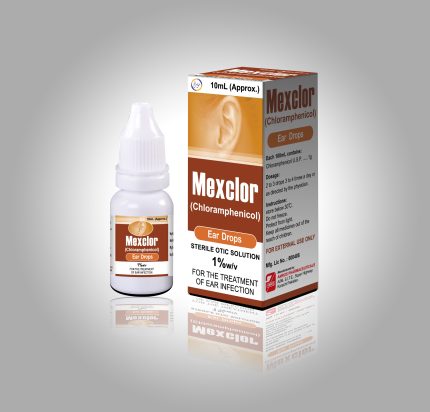
Mexclor Ear Drops – Chloramphenicol
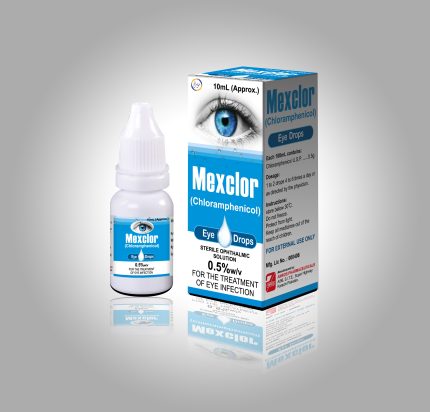
Mexclor Eye Drops – Chloramphenicol
This medication is used to treat bacterial eye infections. Chloramphenicol is an antibiotic that works by stopping the growth of bacteria. This medication treats only bacterial eye infections. It will not work for other types of eye infections. Unnecessary use or misuse of any antibiotic can lead to its decreased effectiveness.
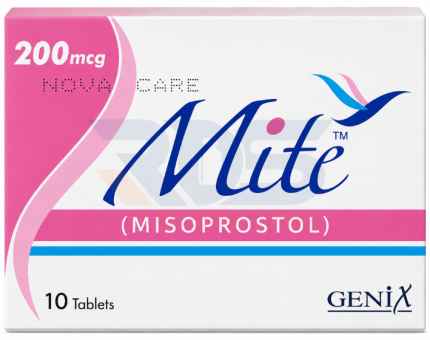
Mite Tablets 200Mcg (Misoprostol) – genix pharma
Used For
Mite (Misoprostol) 200mcg Tablets are commonly prescribed for inducing labour under medical supervision, preventing and treating stomach ulcers caused by long-term NSAID use, managing postpartum bleeding, and for certain gynecological procedures as advised by a healthcare professional.
How It Works
Misoprostol is a prostaglandin analogue that helps protect the stomach lining by replacing the natural prostaglandins reduced by NSAID medicines such as diclofenac and naproxen. It lowers stomach acid production while increasing protective mucus and bicarbonate secretion, reducing the risk of gastric and duodenal ulcers. It also stimulates uterine contractions when used for obstetric or gynecological purposes.
Usage & Safety
Dosage
For the treatment of stomach or duodenal ulcers, the usual adult dose is 200mcg twice daily with meals, or 200mcg four times daily as directed by a physician. Always follow your doctor's prescribed dosage and never self-medicate.
Possible Side Effects
Some patients may experience:
Diarrhea
Nausea or vomiting
Abdominal pain or cramps
Headache
Dizziness
Indigestion
Constipation
Flatulence
Skin rash
Seek immediate medical attention if you experience severe allergic reactions, swelling of the face or throat, breathing difficulty, excessive vaginal bleeding, or severe uterine pain.
Drug Interactions
Inform your healthcare provider if you are taking:
Magnesium-containing antacids
Non-Steroidal Anti-Inflammatory Drugs (NSAIDs)
Any other prescription or over-the-counter medicines
Indications
Misoprostol is indicated for:
Prevention and treatment of NSAID-induced gastric ulcers
Labour induction (under medical supervision)
Medical abortion when prescribed
Management of postpartum hemorrhage
Cervical preparation before certain medical procedures
When Not to Use
Do not use this medicine if:
You are allergic to Misoprostol or other prostaglandins.
You are pregnant unless specifically prescribed by your doctor.
You are of childbearing age and are not using reliable contraception when taking it for ulcer prevention.
Precautions
Before starting treatment, inform your doctor if you have:
High or low blood pressure
Heart or blood vessel disorders
Liver or kidney disease
Any significant medical condition requiring monitoring
Always use this medicine exactly as directed by your healthcare provider.
Warnings
Do not use during pregnancy unless specifically prescribed, as Misoprostol may cause miscarriage, premature labour, or fetal harm.
Women of reproductive age should use effective contraception if taking Misoprostol for ulcer prevention.
This medicine may cause dizziness. Avoid driving or operating machinery until you know how it affects you.
Additional Information
Pregnancy
Use only under the guidance of a qualified healthcare professional.
Storage
Store below 30°C in a cool, dry place away from direct sunlight, heat, and moisture. Keep out of the reach of children.
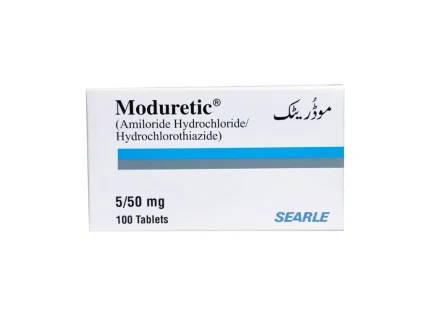
Moduretic Tablet (Amiloride HCL) – Searle
MODURETIC is used to help reduce the amount of excess fluid in the body for people who have: • oedema, swelling of the ankles, feet and legs • ascites due to liver disease resulting in fluid accumulation in the stomach area. MODURETIC is also used to help people with hypertension or high blood pressure.
MODURETIC is used to treat high blood pressure (hypertension), heart failure, or extra fluid in the body (edema). Lowering high blood pressure helps prevent strokes, heart attacks, and kidney problems. MODURETIC contains two medications: amiloride and hydrochlorothiazide. Both medications are "water pills" (diuretics) and cause your body to get rid of extra salt and water. This effect may increase the amount of urine you make when you first start the product. Amiloride also helps to treat or prevent low blood potassium levels.
How to use Moduretic Tablet
Take this medication by mouth with food as directed by your doctor, usually once or twice daily.
If you take MODURETIC too close to bedtime, you may need to wake up to urinate. It is best to take this medication at least 4 hours before your bedtime. If you have any questions about how and when to take this medication, ask your doctor or pharmacist.
The dosage is based on your medical condition and response to treatment.
Use this medication regularly in order to get the most benefit from it. To help you remember, take it at the same time(s) each day. Keep taking this medication even if you feel well. Most people with high blood pressure do not feel sick.
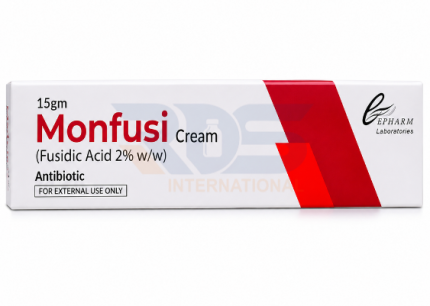
Monfusi Cream15g (Fusidic Acid 2% w/w) – Epharma lab
Monfusi Cream (Fusidic Acid 2% w/w)
Key Details
Monfusi Cream contains **Fusidic Acid 2% w/w**, a topical antibiotic used to treat bacterial skin infections. It works by inhibiting bacterial protein synthesis, preventing the growth and spread of susceptible bacteria and promoting the healing of infected skin.
---
*Indications*
Monfusi Cream is indicated for the treatment of localized bacterial skin infections, including:
* Impetigo
* Infected cuts and wounds
* Infected eczema and dermatitis
* Folliculitis
* Other superficial skin infections caused by susceptible bacteria, as diagnosed by a healthcare professional
---
**Dosage & Administration**
* Apply a **thin layer** of Monfusi Cream to the affected area **2–3 times daily**, or as directed by your physician.
* Clean and dry the affected area before application.
* Wash your hands thoroughly **before and after** applying the cream, unless treating the hands.
* Continue the full course of treatment even if symptoms improve earlier, unless otherwise advised by your healthcare provider.
---
*Precautions*
* **For external use only.**
* Avoid contact with the **eyes, mouth, and other mucous membranes**. In case of accidental contact, rinse thoroughly with clean water.
* Do not apply to large areas of damaged skin unless instructed by your physician.
* Discontinue use and seek medical advice if irritation, allergic reaction, or worsening of symptoms occurs.
* Use only as prescribed and avoid prolonged or unnecessary use to help reduce the risk of antibiotic resistance.
---
*Storage Instructions*
Store below **30°C** in a cool, dry place, protected from direct sunlight and moisture. Keep out of the reach of children.
---
**Important Information**
Monfusi Cream is intended for the treatment of **bacterial skin infections only**. It is not effective against viral or fungal skin infections. Use this medicine only under the guidance of a qualified healthcare professional.


Motilium Syrup (Domperidone) – Aspin
MOTILIUM is used to treat the following conditions in adults:
nausea and vomiting
discomfort caused by a slow moving stomach known as gastroparesis. Symptoms include not being able to finish a meal, a feeling of being "too full" or bloated after a meal, a loss of appetite, feeling sick and maybe vomiting, or belching without relief.
MOTILIUM is an antiemetic and a prokinetic medicine. It works by blocking the action of a chemical messenger in the brain which causes the feeling of nausea and vomiting, as well as increasing the movement or contractions of the stomach and intestines, allowing food to move more easily through the stomach.
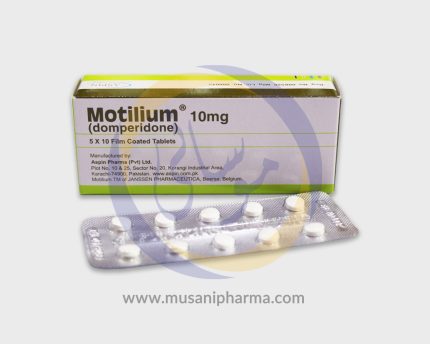
Motilium Tablet (Domperidone) – Aspin
MOTILIUM is used to treat the following conditions in adults:
nausea and vomiting
discomfort caused by a slow moving stomach known as gastroparesis. Symptoms include not being able to finish a meal, a feeling of being "too full" or bloated after a meal, a loss of appetite, feeling sick and maybe vomiting, or belching without relief.
MOTILIUM is an antiemetic and a prokinetic medicine. It works by blocking the action of a chemical messenger in the brain which causes the feeling of nausea and vomiting, as well as increasing the movement or contractions of the stomach and intestines, allowing food to move more easily through the stomach.