

Pred Forte Eye Drop ( Prednisolone ) 5ml Barrett Hodgson Pakistan
Generics
Prednisolone
Used For
Eye Inflammation
How it works
It reduces the irritation, burning, redness and swelling of eye inflammation caused by chemicals, heat, radiation, allergy, or foreign objects in the eye.
Pred Forte Usage And Safety
Dosage
Prednisolone
Side Effects
*Allergic reaction * headache * increased pressure within the eye * centre of the eye becomes cloudy (cataracts) * A feeling that something is in your eye *Eye infections (bacterial, fungal or viral) * Mild stinging or irritation *Red eye *Blurred or poor vision * Pupil dilation * Change in sense of taste * Rash or itching
Drug Interactions
Ritonavir, cobicistat
Indication
It is used in adults for the short-term treatment of eye inflammation.
When not to Use
Do not use : If you are allergic to prednisolone acetate, benzalkonium chloride or any of the other ingredients of this medicine . - If you suffer from viral, fungal or bacterial eye infections . - If you suffer from tuberculosis of the eye.
Pred Forte Precautions
Precaution
It may cause temporary blurred vision. Do not drive or use machinery until the symptoms have cleared.
Pred Forte Warnings
Warning 1
Talk to your doctor before using if you suffer from, or have in the past suffered from Eye ulcers or have had a disease or treatment to the eye that caused the tissue to become thin.
Warning 2
This medicine contain Benzalkonium chloride . It may be absorbed by soft contact lenses and may change the colour of the contact lenses. You should remove contact lenses before using this medicine and put them back 15 minutes afterwards.
Warning 3
To avoid eye injury and contamination, do not let the tip of the dropper touch your eye or anything else.
Pred Forte Additional Information
Pregnancy category
Always consult your physician before using any medicine.
Storage (YES/NO)
Store this medicine at room temperature, away from direct light and heat.

Probeta-N Eye Ear And Nose Drops ( Betamethasone Sodium Phosphate , Neomycin ) 7.5Ml , Atco
Used For Eye Infection, Ear Infection , Nasal Congestion
It work by reducing inflammation (redness, itching and soreness). Topical means that they are used on the outside of the body and not taken by mouth or injection. It also contain neomycin sulphate, an aminoglycoside antibiotic, which prevents bacterial infection developing .
Usage And Safety
Dosage
Betamethasone Sodium Phosphate , Neomycin
Side Effects
Corneal thinning , cataract , rise in intra-ocular pressure , sensitization and cross resistance to neomycin ; avoid unnecessary use .
Drug Interactions
Please tell your doctor if you are taking or have recently taken any other medicines, including medicines obtained without a prescription.
Indication
Eye : Non-infected inflammatory conditions (e.g . Uveitis , marginal keratitis , allergic conjunctivitis , blepharitis and episcleritis ) where development of bacterial infection is likely. Ear : Otitis externa and other inflammatory conditions where bacterial infection is present or suspected. Nose : Inflammatory conditions where infection is present or suspected .
When not to Use
Do not use if allergic to any of the ingredients in the list.
Precautions
Precaution
Do not use if you know you have (or think you have) a mitochondrial disease (mutations in the parts of your cells which help make energy); certain mitochondrial diseases may increase your risk of hearing loss with this product.
Warnings
Warning 1
Talk to your doctor or pharmacist before using this medicine if you have been treated with these drops/ointment or similar corticosteroid medicine recently. You should not use corticosteroids for a long time without regular medical check-ups from your doctor .
Warning 2
Talk to your doctor or pharmacist before using this medicine if you have redness in your eyes for which you do not know the cause. Steroid treatment must not be given unless the cause of the redness is known .
Warning 3
Talk to your doctor or pharmacist before using this medicine if you are applying these drops to open wounds or damaged skin. The antibiotic component can cause permanent, partial or total deafness if used on open wounds or damaged skin. This possibility should be borne in mind if high doses are given to small children or infants.
Additional Information
Pregnancy category
Always consult your physician before using any medicine.
Storage (YES/NO)
Store this medicine at room temperature, away from direct light and heat.

Rifaxa 550mg Tab ( Rifaximin ) Ferozsons
Rifaximin is used to treat travelers' diarrhea caused by Escherichia coli (E. coli) in adults and children who are at least 12 years old. Most people get this infection by eating food or drinking fluids that have been contaminated with the E. coli bacteria.
Rifaximin is also used to treat irritable bowel syndrome (IBS) in adults whose main symptom is diarrhea.
Rifaximin is also used to lower the risk of a decline in brain function in adults with liver failure. Brain function can be affected when the liver stops working and cannot remove toxic substances from the body.
Rifaximin may also be used for purposes not listed in this medication guide.
Rifaximin side effects
Get emergency medical help if you have signs of an allergic reaction: hives; difficult breathing; swelling of your face, lips, tongue, or throat.
Rifaximin may cause serious side effects. Call your doctor at once if you have:
severe stomach pain, diarrhea that is watery or bloody (even if it occurs months after your last dose);
fever; or
fluid build-up around the stomach--rapid weight gain, stomach pain and bloating, trouble breathing while lying down.
Common side effects of rifaximin may include:
swelling in your hands or feet;
nausea;
headache, dizziness;
tiredness; or
abnormal liver function tests.
Warnings
Follow all directions on your medicine label and package. Tell each of your healthcare providers about all your medical conditions, allergies, and all medicines you use.
Before taking this medicine
You should not take rifaximin if you are allergic to rifaximin, rifabutin, rifampin, or rifapentine.
Tell your doctor if you have ever had:
liver disease;
diarrhea with a fever; or
watery or bloody diarrhea.
Tell your doctor if you are pregnant or breastfeeding.
Rifaximin should not be given to a child younger than 12 years old.
How should I take rifaximin?
Follow all directions on your prescription label and read all medication guides or instruction sheets. Use the medicine exactly as directed.
You may take rifaximin with or without food.
For travelers' diarrhea, rifaximin is usually taken for only 3 days. For IBS, rifaximin is usually taken for 2 weeks at a time. Follow your doctor's dosing instructions very carefully.
Use this medicine for the full prescribed length of time, even if your symptoms quickly improve. Skipping doses can increase your risk of infection that is resistant to medication. Rifaximin will not treat a viral infection such as the flu or a common cold.
Do not share this medicine with another person, even if they have the same symptoms you have.
Call your doctor if your symptoms do not improve after 24 to 48 hours, or if they get worse while using rifaximin.
Rifaximin does not treat all bacterial forms of travelers' diarrhea.
Store at room temperature away from moisture and heat.
Rifaximin dosing information
Usual Adult Dose for Traveler's Diarrhea:
200 mg orally 3 times a day for 3 days
Comments:
-This drug should not be used in patients with diarrhea complicated by fever or blood in the stool or diarrhea caused by pathogens other than Escherichia coli.
Use: For the treatment of travelers' diarrhea due to noninvasive strains of E coli
Usual Adult Dose for Hepatic Encephalopathy:
550 mg orally twice a day
Comments:
-In trials, lactulose was used concomitantly in 91% of patients; differences in treatment effect of patients not using concomitant lactulose could not be assessed.
Use: For reduction in risk of overt hepatic encephalopathy recurrence
Usual Adult Dose for Irritable Bowel Syndrome:
550 mg orally 3 times a day for 14 days
Comments:
-If symptoms recur, patients can be retreated up to 2 times with the same dosage regimen.
Use: For the treatment of irritable bowel syndrome with diarrhea
Usual Pediatric Dose for Traveler's Diarrhea:
12 years or older: 200 mg orally 3 times a day for 3 days
-This drug should not be used in patients with diarrhea complicated by fever or blood in the stool or diarrhea caused by pathogens other than E coli.

Royal Derma ( Prickly Heat Soap ) Royal Derma

Sacvin Tablets 24mg/26mg (Sacubitril , Valsartan) PharmEvo
Used For
Heart FailureHow it works
Sacubitril + valsartan inhibits neprilysin (neutral endopeptidase; NEP) , the active metabolite of the prodrug sacubitril and blocks the angiotensin II type-1 (AT1) receptor via valsartan. The cardiovascular and renal effects of sacubitril + valsartan in heart failure patients are attributed to the increased levels of peptides that are degraded by neprilysin, such as natriuretic peptides (NPs) and the simultaneous inhibition of the effects of angiotensin II by valsartan. NPs exert their effects by activating membrane bound guanylyl cyclase coupled receptors, resulting in increased concentrations of the second messenger cyclic guanosine monophosphate (cGMP), which could result in vasodilation, natriuresis and diuresis, increased glomerular filtration rate and renal blood flow, inhibition of renin and aldosterone release, reduction ofsympathetic activity and antihypertrophic and antifibrotic effects. Valsartan inhibits the effects of angiotensin II by selectively blocking the AT1 receptor and also inhibits angiotensin II-dependent aldosterone release. This prevents sustained activation of the renin-angiotensin-aldosterone system that would result in vasoconstriction, renal sodium and fluid retention, activation of cellular growth and proliferation and subsequent maladaptive cardiovascular remodeling.Usage And Safety
Dosage
The recommended starting dose of Sacubitril + Valsartan is one tablet of 49mg + 51mg twice daily.The dose of Sacubitril + Valsartan should be doubled after 2 to 4 weeks to the target maintenance dose of one tablet of 97mg + 103mg twice daily, as tolerated by the patient. Starting dose for some populations : A starting dose of (Sacubitril + Valsartan) one tablet of 24mg + 26mg taken twice daily is recommended for patients not currently taking an ACE inhibitor or an ARB or patients previously taking low doses of these agents. A starting dose of Sacubitril + Valsartan of one tablet of 24mg + 26mg taken twice daily should be considered for patients who have risk factors for hypotension, including patients = 75 years old and patients with low systolic blood pressure (SBP =100 to 110 mmHg). The dose of Sacubitril + Valsartan should be doubled every 2-4 weeks to the target dose of one tablet of Sacubitril + Valsartan 97mg + 103 mg twice daily, as tolerated by the patient. Always consult your doctor or pharmacist for dose adjustments.Side Effects
Very Common : Hyperkalemia, hypotension and renal impairment.Common : Anemia, hypokalemia, hypoglycemia, dizziness, headache, syncope, vertigo, orthostatic hypotension, cough, diarrhea, nausea, gastritis, renal failure (renal failure, acute renal failure), fatigue and asthenia.Uncommon : Hypersensitivity, dizziness postural, pruritus, rash and angioedema.Drug Interactions
Angiotensin Receptor Blockers , OATP1B1 and OATP1B3 substrates, e.g. statins , PDE5 inhibitors including sildenafil , potassium-sparing diuretics (triamterene, amiloride), mineralocorticoid antagonists (e.g. spironolactone, eplerenone), potassium supplements, salt substitutes containing potassium or other agents (such as heparin) , Non-steroidal anti-inflammatory agents (NSAIDs), including selective cyclooxygenase-2 (COX-2) inhibitors , Lithium , OATP1B1, OATP1B3, OAT3 (e.g. rifampicin, ciclosporin), OAT1 (e.g. tenofovir, cidofovir) or MRP2 (e.g. ritonavir) , Metformin HCl.Indication
Sacubitril + Valsartan is indicated in adult patients for treatment of symptomatic chronic heart failure with reduced ejection fraction. Sacubitril + Valsartan is usually administered in conjunction with other heart failure therapies, in place of an ACE inhibitor or other ARB.When not to Use
Sacubitril + Valsartan is contraindicated in patients with:• Hypersensitivity to the active substance, sacubitril, valsartan or to any of the excipient of the product.• Concomitant use with ACE inhibitors. Sacubitril + Valsartan must not be administered until 36 hours after discontinuing ACE inhibitor therapy.• Known history of angioedema related to previous ACE inhibitor or ARB therapy.• Hereditary or idiopathic angioedema.• Concomitant use with aliskiren-containing medicinal products in patients with diabetes mellitus or in patients with renal impairment (eGFR <60 ml/min/1.73 m2 ).• Severe hepatic impairment, biliary cirrhosis and cholestasis.• Second and third trimester of pregnancyPrecautions
Sacubitril + valsartan may cause angioedema. If angioedema occurs, discontinue sacubitril + valsartan immediately, provide appropriate therapy and monitor for airway compromise. Sacubitril + valsartan should not be used in patients with a known history of angioedema related to previous ACE inhibitor or ARB therapy.
Warnings
- ) Sacubitril + valsartan lowers blood pressure and may cause symptomatic hypotension. Patients with an activated renin-angiotensin system, such as volume- and/or salt-depleted patients (e.g., those being treated with high doses of diuretics), are at greater risk. Correct volume or salt depletion prior to administration of sacubitril + valsartan or start at a lower dose. If hypotension occurs, consider dose adjustment of diuretics, concomitant antihypertensive drugs and treatment of other causes of hypotension (e.g., hypovolemia). If hypotension persists despite such measures, reduce the dosage or temporarily discontinue sacubitril + valsartan.
- ) Through its actions on the RAAS, hyperkalemia may occur with sacubitril + valsartan. Monitor serum potassium periodically and treat appropriately, especially in patients with risk factors for hyperkalemia such as severe renal impairment, diabetes, hypoaldosteronism or a high potassium diet. Dosage reduction or interruption of sacubitril + valsartan may be required.
3. ) Caution should be exercised when initiating sacubitril + valsartan in patients with NYHA functional classification IV due to limited clinical experience in this population.
Additional Information
Pregnancy category
Always consult your physician before using any medicine.Storage (YES/NO)
Store this medicine at room temperature, away from direct light and heat.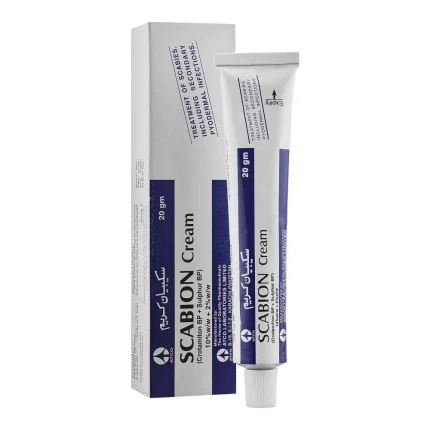
Scabion Cream 20g ( Crotamiton + Sulphur ) Atco
Used For : Scabies
The mechanism of action of crotamiton as a general antipruritic has been reported in which crotamiton inhibits TRPV4 (transient receptor potential vanilloid 4) channel that is expressed in the skin and primary sensory neuron.
Usage And Safety
Dosage
Crotamiton + Sulphur
Side Effects
Worsening skin irritation (such as itching, redness) may occur.
Drug Interactions
Ask your physician or pharmacist in case of any drug interactions.
Indication
This medication is used to treat scabies. Scabies is a skin infection caused by mites that burrow into the skin.
When not to Use
It is contraindicated in patients with known hypersensitivity to the drug.
Precautions
Precaution
Tell your physician if you are allergic to any of the component listed.
Warnings
Warning 1
Numbness and tingling sensation are quite common with the use of this medication.
Warning 2
People with sensitive skins shouldn't be using this medication until and unless it is absolutely necessary.
Warning 3
Do not take this medication by mouth.
Additional Information
Pregnancy category
Always consult your physician before using any medicine.
Storage (YES/NO)
Store this medicine at room temperature, away from direct light and heat.

Scabrid Cream ( Permethrin ) Tabros
Permethrin cream acts as a synthetic pyrethroid insecticide that is highly toxic to parasites, particularly scabies mites. The mechanism of action involves targeting the nervous system of the scabies mites, specifically the voltage-gated sodium channels in the nerve cell membranes. When applied topically, permethrin disrupts the normal function of these sodium channels, leading to the rapid paralysis and eventual death of the mites. It binds to the sodium channels in the mite's nerve cells, preventing their normal closure, which results in the uncontrolled stimulation of the nervous system. This disruption in nerve signal transmission leads to the loss of coordination and paralysis of the mites, ultimately causing their demise. Permethrin is highly selective in its toxicity, affecting mites and other parasites while having low toxicity to mammals, making it an effective and safe treatment option for scabies infestations.
Ingredients
Permethrin
Drug Class
Insecticide, Antiparasitic
Dosage Form
Cream
Uses
The following are the uses of Permethrin Cream:
Used for treating scabies, a skin infestation caused by tiny mites.
Used for relieving intense itching and irritation associated with scabies infestations.
Used for eliminating both live mites and their eggs, ensuring thorough treatment.
Used for preventing the spread of scabies to close contacts and family members.
Used for treating crusted (Norwegian) scabies, a severe form of the infestation.
Used for providing fast-acting relief and reducing skin discomfort.
Used for ensuring proper application with detailed instructions for effective results.
Used for offering a targeted and localized treatment approach.
Dosage
Tailoring Treatment for Optimal Health, Prescribed Medication Dosage is:
For Head Lice- Separate dry hair into sections. Apply the wipe directly to the scalp and hair, especially behind the ears and near the nape of the neck.
For Scabies- Wash the skin with soap and water. Use a clean towel to thoroughly dry the skin. Apply the wipe across all skin from the neck to the soles of the feet.
For Tick Removal- Firmly grasp the tick as close to the skin as possible.
For Fleas on Pets- Apply the wipe directly onto the pet's fur. Pay special attention to the neck and area around the tail.
In case of Overdose
In the case of an overdose of Permethrin Cream, it is crucial to remain calm and take appropriate action. Wash the affected area thoroughly with mild soap and water to remove any excess cream. Discontinue use and contact a healthcare professional or poison control center for further guidance. They will provide specific instructions based on the severity of the overdose and may recommend monitoring for any adverse reactions. Prompt action can help prevent potential skin irritation or more severe health complications.
Missed Dose
In the case of a missed dose of Permethrin Cream, it is important to apply the cream as soon as you remember. The recommended interval between applications is usually around 7 to 14 days, so if you forget a dose, try to apply it within this timeframe. However, if it has been several days since the missed dose, it is best to skip the missed application and continue with the next scheduled dose. Do not apply extra cream to make up for the missed dose, as this may increase the risk of side effects.
How To Use
To apply Permethrin Cream, wash and thoroughly dry the affected area, then gently massage a thin layer of the cream onto the skin, covering the entire affected area and its surrounding skin, and leave it on for the recommended treatment time, typically 8-14 hours, before rinsing off.
When Not to Use
Here are the conditions or situations when Permethrin Cream should not be used:
Avoid using in individuals with a known sensitivity or allergy to Permethrin or any of its ingredients.
Not suitable for application on open wounds, cuts, or severely inflamed skin.
Do not use near the eyes, mouth, or inside the nose.
Avoid using on children below 2 months of age without medical advice.
Do not use if the skin condition worsens or shows signs of infection during treatment.
Contraindicated for those with a history of severe skin reactions or eczema.
Do not use on areas of skin affected by sunburn.
Not recommended for individuals with a compromised immune system.
Side Effects
The side effects of Permethrin Cream may include:
Skin irritation or redness at the application site
Itching or burning sensation
Dry skin
Mild swelling
Numbness or tingling
Skin rash or hives
Eye irritation (if accidentally exposed)
Temporary skin discoloration
Precautions & Warnings
Following are the precautions and warnings:
Permethrin Cream is for external use only and should not be ingested or applied to the eyes, mouth, or other mucous membranes.
Avoid contact with eyes; if contact occurs, rinse thoroughly with water.
Wash hands thoroughly after applying the cream to avoid accidental transfer to sensitive areas.
Do not use on broken or irritated skin, and discontinue use if irritation or allergic reaction occurs.
Do not cover treated areas with airtight dressings or bandages as this may increase the absorption of the medication.
Keep out of reach of children and pets. Store at room temperature, away from heat and direct sunlight.
Consult a doctor if you are pregnant or breastfeeding before using Permethrin Cream.
This medication may cause skin irritation or allergic reactions in some individuals; if severe, seek medical attention immediately.
Drug Interactions
Following are the drug interactions for Permethrin Cream:
Permethrin may reduce the effectiveness of topical corticosteroids, so it is advisable to separate the application of these medications by a few hours.
Topical use with other medications containing permethrin or similar insecticides should be avoided to prevent potential overdose.
Drug interactions may occur with other topical medications; consult a healthcare professional before combining treatments.
Applying other skin products or medications soon after using Permethrin Cream may result in increased absorption of those products.
The cream can enhance the absorption of other drugs through the skin, potentially affecting their systemic levels.
Anticonvulsant medications may interact with permethrin, increasing the risk of seizures in susceptible individuals.
There is a potential risk of increased side effects when using Permethrin Cream with certain antifungal medications.
Food Interactions
Following are the food interactions with Permethrin Cream:
Avoid applying cream immediately after a hot or spicy meal, as it may cause skin irritation and increase the absorption of the medication.
Dairy products should be consumed in moderation as they may interact with the cream's absorption, potentially reducing its effectiveness.
Fatty foods can delay the absorption of Permethrin; apply the cream at least 2 hours before or after a high-fat meal.
Avoid caffeine-rich foods and beverages, as they may enhance the cream's side effects, leading to increased skin sensitivity.
Grapefruit and its juice are known to interact with many medications; it's best to avoid it while using Permethrin to prevent any potential adverse effects.
Alcoholic beverages might increase skin sensitivity and should be consumed in moderation to minimize any skin reactions.
Foods with high vitamin A content may interact with Permethrin; consult your healthcare provider for specific dietary guidelines.
Ensure you wash your hands thoroughly before and after handling food to prevent accidental ingestion of the cream.
Storage/Disposal
Permethrin Cream should be stored in a cool and dry place, preferably at room temperature, ensuring it is kept away from direct sunlight, heat, and moisture. The original container should be tightly sealed to maintain its integrity and prevent contamination. It is crucial not to store the cream in bathrooms or areas exposed to high temperatures. Always be mindful of the expiration date, and if the cream is no longer needed or has expired, proper disposal is essential. Avoid disposing of it in sinks, toilets, or drains; instead, consult a pharmacist or healthcare professional for guidance on safe disposal methods. Keep the cream out of children's reach to prevent accidental contact or ingestion.
Quick Tips, if any
Following are the quick tips for Permethrin Cream:
Apply a thin layer to the affected areas as directed by your doctor.
Wash and thoroughly dry the skin before application for better absorption.
Use the cream as a spot treatment, focusing on the affected skin and surrounding areas.
Avoid applying the cream inside your mouth, nose, or eyes; rinse with water if contact occurs.
Do not bandage or wrap the treated area to prevent irritation.
Wash your hands after application to avoid accidental contact with sensitive areas.
Store the cream at room temperature, away from heat and direct sunlight.

Secnidal Forte ( Secnidazole ) Sanofi
This medication is used to treat a certain type of vaginal infection (bacterial vaginosis) in women.Secnidazole is also used to treat a certain common sexually transmitted infection (trichomoniasis). If you are taking this medication for trichomoniasis, your sexual partner(s) should be treated at the same time.Secnidazole is an antibiotic that works by stopping the growth of bacteria. This antibiotic treats only bacterial infections. It will not work for viral infections (such as common cold, flu). Using any antibiotic when it is not needed can cause it to not work for future infections.
How to use Secnidazole Granules Delayed Release For Suspension In A Packet (Granules Susp Packet)
Read the Patient Information Leaflet and the Instructions for Use if available from your pharmacist before you start taking secnidazole and each time you get a refill. If you have any questions, ask your doctor or pharmacist.
Take this medication by mouth as directed by your doctor. This medication is taken as a single dose.
Open the packet and pour its contents onto applesauce, yogurt, or pudding. Eat all of the mixture within 30 minutes without chewing or crunching the granules. Do not prepare a supply in advance. You may drink a glass of water afterward to help with swallowing the medication.
Avoid drinking alcoholic beverages and preparations that contain ethanol or propylene glycol during treatment and for at least 2 days after completing treatment. Doing so may make side effects worse.

Selsun Blue Shampoo ( Sanofi )
This Shampoo is used to treat dandruff and a certain scalp infection (seborrheic dermatitis). It reduces itching, flaking, irritation, and redness of the scalp. Selenium sulfide is also used for a condition that causes discoloration of the skin (tinea versicolor). This medication belongs to a class of medications called anti-infectives. It works by slowing the growth of the yeast that causes the infection.
How to use Selsun Blue Shampoo Oily
This medication is for use on the skin only. Some brands require shaking before use. Check your product package to see if your brand needs to be shaken. Before using this medication, remove any jewelry to avoid damage to it. Avoid getting this medication into your eyes, inside your nose or mouth, or on any areas of broken/inflamed skin since it may cause irritation. If this occurs, flush the area with plenty of water. Consult your doctor or pharmacist if you have any questions about how to use this medication properly.
For the treatment of dandruff or scalp dermatitis, follow the manufacturer's instructions, or use as directed by your doctor. Wet the scalp and massage the medication onto the wet scalp. Leave it on your scalp for 2-3 minutes and rinse thoroughly. Some brands may require a second application. Check your product package to see if your brand requires a repeat application. Be sure to rinse your hair and scalp well with water after each application, especially on bleached, tinted, or permed hair. This medication is usually used 1 or 2 times per week to treat dandruff or seborrheic dermatitis, or less often to maintain control of dandruff.
For the treatment of tinea versicolor, apply selenium sulfide to the affected skin. Lather with a small amount of water. Allow it to remain on your skin for 10 minutes. Rinse your skin thoroughly with water after each use. If the medication touches the genital areas or skin folds, rinse the area well with water for a few minutes to prevent irritation. This medication is applied usually once daily for 7 days to treat tinea versicolor, or use as directed by your doctor.
Wash your hands after using selenium sulfide. Do not leave this medication on your hair, scalp, or skin for a longer period or use it more often than directed. Your condition will not clear faster, but side effects may be increased.

Sensoderm Soap ( Neutral Soap ) Royal Derma
Sensoderm Contain Aloe Vera 3% And Dimethicone 1 % it is recommended in all types of skin as well as as allergic dermatitis. It can be used safely in children and infants also.
It has soothing and moisturizing effect .
How to uses: wash with normal Luke warm water and apply soap massage it gently until rich lather is formed. Then rinse with water.
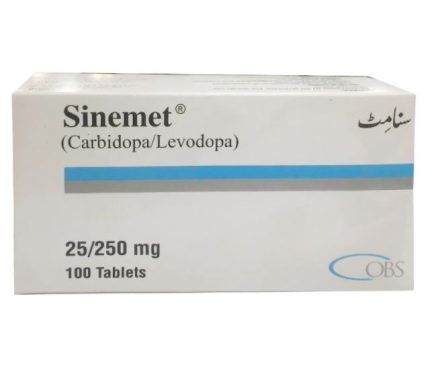
Sinemet 25 mg/250 mg Tablets ( Carbidopa Levodopa ) OBS
This combination medication is used to treat symptoms of Parkinson's disease or Parkinson-like symptoms (such as shakiness, stiffness, difficulty moving). Parkinson's disease is thought to be caused by too little of a naturally occurring substance (dopamine) in the brain. Levodopa changes into dopamine in the brain, helping to control movement. Carbidopa prevents the breakdown of levodopa in the bloodstream so more levodopa can enter the brain. Carbidopa can also reduce some of levodopa's side effects such as nausea and vomiting.
How to use Sinemet 25-250 oral
Read the Instructions for Use if available from your pharmacist before you start taking carbidopa/levodopa and each time you get a refill. If you have any questions, ask your doctor or pharmacist.
Take this medication by mouth with or without food as directed by your doctor, usually 3 to 4 times a day.
Taking this medication with food may help to decrease nausea. It is best to avoid a high-protein diet (it decreases the amount of levodopa that your body takes in) during treatment, unless directed otherwise by your doctor. Separate your dose of this medication by as many hours as possible from any iron supplements or products containing iron (such as multivitamins with minerals) you may take. Iron can reduce the amount of this medication absorbed by the body. Consult your doctor or pharmacist for more details.
The dosage is based on your medical condition and response to treatment. To reduce your risk of side effects, your doctor may direct you to start this medication at a low dose and gradually increase your dose. Follow your doctor's instructions carefully. This combination medication comes in different strengths with different amounts of carbidopa and levodopa in each tablet. Be sure you have the correct strength of both drugs. Your doctor may also prescribe carbidopa alone to be taken with this combination.
Use this medication regularly to get the most benefit from it. To help you remember, take it at the same times each day.
Some patients may experience a "wearing-off" (worsening of symptoms) before the next dose is due. An "on-off" effect might also occur, in which sudden short periods of stiffness occur. If these effects occur, contact your doctor for possible dose adjustments that may help to lessen this effect.
Do not stop taking this medication without consulting your doctor. Some conditions may become worse when this medication is suddenly stopped. Also, if you suddenly stop using this medication, you may have withdrawal symptoms (such as anxiety, depression, confusion, fever, muscle stiffness). To help prevent withdrawal, your doctor may lower your dose slowly. Withdrawal is more likely if you have used this medication for a long time or in high doses. Tell your doctor or pharmacist right away if you have withdrawal.
Tell your doctor if your condition does not improve or if it worsens.
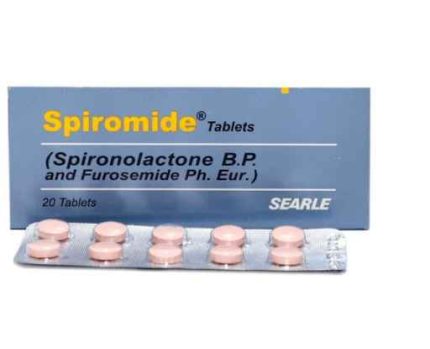
Spiromide Tablet ( Furosemide , Spironolactone ) Searle
Primary Uses
Hypertension
Indications
This medicine is used for oedema (swelling) associated with congestive heart failure (heart disorder), hepatic ascites (fluid in abdomen due to liver disorder) and kidney disease where potassium supplement is required.
Side Effects
Patients taking this medicine may experience gynaecomastia(hormone imbalance), GI upset (upset stomach), rash, drowsiness, headache, or confusion. Please consult your doctor if you experience any of these symptoms.
Warnings
Pregnancy
Please consult your doctor before taking this medicine
Lactation
Research suggests that women who are breastfeeding should avoid taking this medicine.
Driving
Please avoid driving when taking this medicine as it may affect your ability to drive.
Precautions
Patients with kidney and liver impairment should consult their doctor before taking this medicine.
Contraindications
Please consult your doctor before taking this medicine if you have anuria (kidneys unable to produce urine), renal failure (kidney disorder) or hyperkalemia(high level of potassium).
FAQS
What type of a drug is spironolactone and what does it do?
It is a potassium sparing diuretic, which means it blocks a certain hormone’s action which allows for more fluid and less potassium to pass through the kidney.
Can it be taken with captopril?
Captopril is an ACE inhibitor and research suggests that it interacts with spironolactone. It is recommended that you refrain from the use of these two drugs together because it can cause hyperkalemia (increased potassium levels in blood).
Is this drug used to treat acne?
Yes, has been used at lower doses to treat acne in females by combining it with an oral contraceptive. However, it is not a quick fix and isn’t recommended as a treatment yet and should only be taken if advised by your doctor.
Why is this drug not used in males?
It is not recommended to be used in males because it makes the skin less responsive to androgens and feminizes a man. A common side effect of this drug in males is gynaecomastia (enlargement of breasts).
Are irregular periods a side effect of this drug?
Yes, irregular periods are a common side effect of this drug. Please consult your doctor if you are experiencing this side effect.
Can this medicine be crushed?
There is no harm in crushing the tablet for swallowing if required, however it is best to take it whole with water.
Can this medicine treat hirsutism (excessive hair growth)?
Yes, it has been used as a treatment for hirsutism because it decreases testosterone levels. Please do not use this drug to treat hirsutism unless advised otherwise by your doctor.
Can I take this medicine while taking indomethacin?
When indomethacin is used, it increases the diuretic effect of spironolactone and together they may cause an increase in the potassium levels in the blood. Let your doctor know if you are on indomethacin before starting treatment with this drug.
Can this drug cause decrease in the effect of an oral contraceptive?
It does not reduce the efficacy of your birth control/OCP. When taken with it, it helps in reducing hormonal acne and hirsutism in women.
Is hyponatremia an adverse effect of this drug?
Yes, it has been reported to cause hyponatremia (very low amounts of sodium in blood). Please consult your doctor if you are suffering from the signs and symptoms of hyponatremia which are lethargy, restlessness, muscle weakness, confusion, irritability, drowsiness or fatigue.
Is this drug both a steroid and a diuretic?
Yes, it is both a potassium sparing diuretic which helps in the excretion of excess fluids from the body and a synthetic steroid which works by blocking the effect of mainly the hormone aldosterone; and testosterone as well.
Can this drug cause cancer?
Spironolactone raises the risk of breast cancer in women. Talk to your doctor if you have a family history of cancer or have any concerns related to this side effect.
Can this drug alter my estrogen levels?
It has not been reported to cause any increase or decrease in the estrogen levels. Being a synthetic steroid, it blocks the effects of aldosterone and testosterone; in turn producing effects that are very similar to those of the hormone progesterone.
What is Furosemide and how does it work?
Furosemide is a diuretic which inhibits water re-absorption in the body and increases urine production. It is used to lower the blood pressure and get rid of any edema (accumulation of fluid) in the body due to any heart, liver or kidney disease.
Can dehydration occur by the use of this medication?
Yes, you may get dehydrated by the use of this drug because it removes excess water from your body. To avoid this, drink at least 7-8 glasses of water while taking this drug.
Is it safe to use this drug during pregnancy?
This medicine is not recommended for use in pregnant women. Please consult your doctor before using this medication during pregnancy.
Can I use this medication if I am lactating?
This medication is not recommended for use in breast-feeding mothers because it may pass in the breast milk. Please consult your doctor for further assistance.
What should I do if I miss a dose of this drug?
If you miss any dose of this medicine then take the missed dose as soon as possible. However, be careful to not to overdose.
I am diabetic. Can I take this medication?
No, this medicine should be taken with caution in patients with diabetes because it may alter the blood glucose levels.
Can I use this medication if I have a kidney disease?
It is advised to use this medicine carefully in patients with kidney disease. Please consult your doctor for further guidance.
Can I take this medicine if I have increased uric acid?
No. It is advised to not take this medicine if your uric acid levels are high because furosemide itself causes an increase in uric acid level as a side effect.
Can this medicine impair my hearing ability?
This medicine may cause irreversible hearing loss only if taken in high doses. Please take only recommended doses of this medication.