

Bactroban Cream ( Mupirocin ) GSK
Mupirocin is used to treat certain skin infections (such as impetigo). It is an antibiotic. It works by stopping the growth of certain bacteria.
How to use Bactroban topical
Read the Patient Information Leaflet if available from your pharmacist before you start using mupirocin and each time you get a refill. If you have any questions, ask your doctor or pharmacist.
Use this medication only on the skin. Clean and dry the affected area first. Then apply a small amount of ointment to the area as directed by your doctor, usually 3 times a day. You may cover the treated area with a bandage.
Use this medication regularly to get the most benefit from it. Continue to use it for the full time prescribed, even if symptoms disappear after a few days. Stopping the medication too early may result in a return of the infection.
Avoid using this medication around your eyes, nose, mouth, or on large areas of damaged or broken skin unless otherwise directed by your doctor. If you accidentally get it in your eyes, nose, or mouth, rinse well with plenty of water.

Beta – F Cream 15g (Betamethasone Valerate and Fusidic Acid) ATCO
This product is a combination of 2 medications: fusidic acid and betamethasone valerate. It is used to treat certain skin conditions (types of eczema) when bacterial infection is also present. Betamethasone is a medium-strength corticosteroid used on the skin to reduce the swelling, itching, and redness that can occur in these types of conditions. Fusidic acid is an antibiotic that works by stopping the growth of certain bacteria. This medication should be used short-term (up to 2 weeks) to treat eczema with bacterial infection. Using any antibiotic when it is not needed can cause it to not work for future infections.
How To Use
Read the Patient Information Leaflet if available from your pharmacist before you start using this medication and each time you get a refill. If you have any questions, ask your doctor or pharmacist.
This medication is for use on the skin only. However, do not use it on the face, groin, or underarms unless directed to do so by your doctor.
Wash and dry your hands before applying the medication. Clean and dry the affected area. Apply a thin film of the medication to the affected area and gently rub in as directed by your doctor, usually 2 times daily. Do not bandage, cover, or wrap the area unless directed to do so by your doctor.
After applying the medication, wash your hands unless you are using this medication to treat the hands. When applying this medication near the eyes, avoid getting it in the eyes because this may worsen or cause glaucoma. Also, avoid getting this medication in the nose or mouth. If you get the medication in these areas, rinse with plenty of water.
Use this medication only for the condition for which it was prescribed. Do not use it for longer than prescribed.
Tell your doctor if your condition lasts or gets worse after 2 weeks.
Side Effects
Stinging, burning, itching, irritation, dryness, swelling, or redness of the skin may occur when this medication is first applied to the skin. If any of these effects last or get worse, tell your doctor or pharmacist promptly.
Remember that this medication has been prescribed because your doctor has judged that the benefit to you is greater than the risk of side effects. Many people using this medication do not have serious side effects.
Using this medication for a long time or for repeated times may result in a new infection (such as fungal infection). Contact your doctor if you notice signs of a new infection.
Rarely, it is possible this medication will be absorbed from the skin into the bloodstream. This can lead to side effects of too much corticosteroid. These side effects are more likely in children, and in people who use this medication for a long time or over large areas of the skin. Tell your doctor right away if any of the following side effects occur:
unusual/extreme tiredness
weight loss
headache
swelling ankles/feet
increased thirst/urination
vision problems
A very serious allergic reaction to this drug is rare. However, get medical help right away if you notice any symptoms of a serious allergic reaction, including:
rash
itching/swelling (especially of the face/tongue/throat)
severe dizziness
trouble breathing
This is not a complete list of possible side effects. If you notice other effects not listed above, contact your doctor or pharmacist.

Bosmon 62.5mg Tab ( Bosentan Monohydrate ) Hilton
Generics
Bosentan Monohydrate
Used For
Hypertension
How it works
Bosentan is a dual endothelin receptor antagonist with affinity for both ETA and ETB receptors. Bosentan decreases both pulmonary and systemic vascular resistance, resulting in increased cardiac output without increasing heart rate. The neurohormone endothelin is a potent vasoconstrictor with the ability to promote fibrosis, cell proliferation, and tissue remodeling. Endothelin concentrations in plasma and tissues are increased in a number of cardiovascular disorders, including pulmonary hypertension, suggesting a pathological role for endothelin in these diseases. In pulmonary arterial hypertension, endothelin plasma concentrations strongly correlate with poor prognosis .
Bosmon Tablets Usage And Safety
Dosage
Bosentan Monohydrate
Side Effects
Flushed appearance or redness of skin ; Hypersensitivity reactions (including skin inflammation, itching and rash) ; Gastrooesophageal reflux disease (acid reflux) ; Diarrhoea ; Stuffy or blocked nose ; Syncope (fainting) ; Palpitations (fast or irregular heart beats) ; Low blood pressure .
Drug Interactions
Warfarin , Simvastatin and Other Statins , Glyburide , Ketoconazole , Cyclosporine A , Tacrolimus and Sirolimus , Sildenafil , Tadalafil , Rifampicin , Epoprostenol , Antiretroviral Agents: Lopinavir + Ritonavir .
Indication
It is indicated for the treatment of pulmonary arterial hypertension in patients with WHO functional class III or IV primary pulmonary hypertension, or pulmonary hypertension secondary to scleroderma or congenital heart disease or human immunodeficiency virus in patients who did not respond adequately to conventional therapy .
When not to Use
It is contraindicated in patients: Who are hypersensitive to bosentan or to any excipient in the formulation ; Who are pregnant, or of childbearing potential unless adequate contraceptive measures are taken. Fetal malformations were reported in animals .
Bosmon Tablets Precautions
Precaution
Cases of pulmonary edema have been reported with vasodilators (mainly prostacyclins) when used in patients with pulmonary veno-occlusive disease. Consequently, should signs of pulmonary edema occur when Bosentan is administered in patients with Pulmonary arterial hypertension (PAH) , the possibility of associated veno-occlusive disease should be considered.
Bosmon Tablets Warnings
Warning 1
The efficacy of bosentan has not been established in patients with severe Pulmonary arterial hypertension (PAH). Transfer to a therapy that is recommended at the severe stage of the disease (e.g. epoprostenol) should be considered if the clinical condition deteriorates .
Warning 2
Bosentan should only be initiated if the systemic systolic blood pressure is higher than 85 mmHg.
Warning 3
Bosentan has not been shown to have a beneficial effect on the healing of existing digital ulcers.
Bosmon Tablets Additional Information
Pregnancy category
Always consult your physician before using any medicine.
Storage (YES/NO)
Store this medicine at room temperature, away from direct light and heat.

Cellcept ( Mycophenolate Mofetil. ) Roche
Mycophenolate is used in combination with other medications to keep your body from attacking and rejecting your transplanted organ (such as kidney, liver, heart). It belongs to a class of medications called immunosuppressants. It works by weakening your body's defense system (immune system) to help your body accept the new organ as if it were your own.
How to use Cellcept
Read the Medication Guide provided by your pharmacist before you start taking mycophenolate and each time you get a refill. If you have any questions, ask your doctor or pharmacist.
Take this medication by mouth as directed by your doctor, usually twice daily on an empty stomach, 1 hour before or 2 hours after meals.
Swallow the medication whole. Do not crush or chew. If you are taking the capsules, do not open them before swallowing.
If the capsule comes apart or if there is dust from the tablets, avoid inhaling the powder or dust, and avoid direct contact with the skin or eyes. If contact occurs, wash the affected skin area well with soap and water or rinse your eyes with plain water. Consult your pharmacist for details.
Since this drug can be absorbed through the skin and lungs and may harm an unborn baby, women who are pregnant or who may become pregnant should not handle this medication or breathe the dust from the tablets or powder from the capsules.
The dosage is based on your medical condition and response to treatment. In children, it is also based on body size.
Use this medication regularly to get the most benefit from it. To help you remember, take it at the same times each day.
Keep taking this medication even if you feel well. Do not stop taking mycophenolate without first talking to your doctor.

Ciloxan Eye Drop ( Ciprofloxacin ) Novartis
Generics
Ciprofloxacin HCl
Used For
Eye Infection
How it works
Ciprofloxacin hydrochloride is a “fluoroquinolone” antibiotic. This antibiotic works by killing the bacteria that are causing your infection.
Ciloxan Eye Usage And Safety
Dosage
Ciprofloxacin HCl
Side Effects
Redness, itching, irritation, pain, swelling or discomfort in or around the eye(s) and/or eyelids , A white precipitate in the eye(s) or crusting on the eyelid(s) , Excess tear production or discharge from the eye(s) , Dry eye(s) , Staining, swelling or irregular appearance of the front of the eye(s) (cornea) , Flaking skin of the eyelids , A numb sensation in or around the eye(s) , Tired eyes , Allergic reactions; , A feeling that something is in your eye(s) , Decreased or blurred vision , Double vision , Sensitivity to light.
Drug Interactions
Warfarin , cyclosporin , theophylline , caffeine
Indication
These Eye Drops are used to treat certain types of eye infections caused by bacteria.
When not to Use
Do not use these Eye Drops if you have an allergy to:• Ciprofloxacin• Any other “quinolone” antibiotics e.g. nalidixic acid• Any of the other ingredients in Ciprofloxacin Eye Drops that are listed under “Product description”.
Ciloxan Eye Precautions
Precaution
It is important to use Ciprofloxacin exactly as your doctor or pharmacist has told you. If you use the drops less often than your doctor has advised your medicine may not work as well and your eye problem may not improve.
Ciloxan Eye Warnings
Warning 1
Do not put the eye drops into your eye(s) while you are wearing soft contact lenses.
Warning 2
Be careful not to touch the dropper tip against your eye, eyelid or anything else. This will help to prevent your eye drops becoming dirty or contaminated.
Warning 3
Do not stop using Ciprofloxacin Eye Drops or lower the dose without first asking your doctor.
Ciloxan Eye Additional Information
Pregnancy category
Always consult your physician before using any medicine.

Citanew 10mg Tablet ( Escitalopram ) Hilton
Escitalopram is used to treat depression and anxiety. It works by helping to restore the balance of a certain natural substance (serotonin) in the brain. Escitalopram belongs to a class of drugs known as selective serotonin reuptake inhibitors (SSRI). It may improve your energy level and feelings of well-being and decrease nervousness.
How to use Escitalopram Oxalate
Read the Medication Guide and, if available, the Patient Information Leaflet provided by your pharmacist before you start taking escitalopram and each time you get a refill. If you have any questions, ask your doctor or pharmacist.
Take this medication by mouth with or without food as directed by your doctor, usually once daily in the morning or evening. The dosage is based on your medical condition, response to treatment, age, and other medications you may be taking. Be sure to tell your doctor and pharmacist about all the products you use (including prescription drugs, nonprescription drugs, and herbal products).
If you are using the liquid form of this medication, carefully measure the dose using a special measuring device/spoon. Do not use a household spoon because you may not get the correct dose.
To reduce your risk of side effects, your doctor may direct you to start taking this drug at a low dose and gradually increase your dose. Follow your doctor's instructions carefully. Do not increase your dose or use this drug more often or for longer than prescribed. Your condition will not improve any faster, and your risk of side effects will increase. Take this medication regularly to get the most benefit from it. To help you remember, take it at the same time each day.
Keep taking this medication even if you feel well. Do not stop taking this medication without consulting your doctor. Some conditions may become worse when this drug is suddenly stopped. Also, you may experience symptoms such as mood swings, headache, tiredness, sleep changes, and brief feelings similar to electric shock. To prevent these symptoms while you are stopping treatment with this drug, your doctor may reduce your dose gradually. Consult your doctor or pharmacist for more details. Report any new or worsening symptoms right away.
It may take 1 to 2 weeks to feel a benefit from this drug and 4 weeks to feel the full benefit of this medication. Tell your doctor if your condition does not improve or if it worsens.

Clamentin Ds (312.50Mg/5Ml) 60Ml Suspension
-
Description
Co-Amoxiclav 312.5mg/5ml Syrup/Suspension is a combination antibiotic that works by interfering with the synthesis of bacterial cell walls. Amoxicillin, a penicillin-type antibiotic, inhibits the cross-linking of peptidoglycan chains, weakening the cell wall. Clavulanic acid, the second component, inhibits beta-lactamase enzymes produced by bacteria, thereby protecting amoxicillin from degradation and enhancing its antibacterial effect. This dual action effectively combats a wide range of bacteria, including those that have developed resistance to beta-lactam antibiotics. -
Ingredients
Co-Amoxiclav 312.5mg/5ml -
Drug Class
Penicillin combination -
Dosage Form
Suspension -
Uses
The following are the uses of Co-Amoxiclav 312.5mg/5ml Syrup/Suspension:- Used for treating severe respiratory tract infections like pneumonia and bronchitis.
- Used for ear, nose, and throat infections, especially those resistant to common antibiotics.
- Effective against skin and soft tissue infections, including cellulitis and animal bites.
- Used for bone and joint infections, ensuring deep penetration into these tissues.
- Combats certain types of abdominal infections, such as peritonitis and intra-abdominal abscesses.
- Used for prophylaxis in high-risk surgical procedures to prevent post-operative infections.
-
In case of Overdose
In the case of an overdose of Co-Amoxiclav 312.5mg/5ml Syrup/Suspension, it is important to recognize the potential symptoms, which may include gastrointestinal disturbances, such as nausea, vomiting, and diarrhea. Additionally, individuals may experience allergic reactions, with symptoms like rashes, itching, and swelling. Prompt medical attention is necessary, and healthcare professionals should be contacted immediately for guidance and appropriate treatment to manage the overdose effectively. -
Missed Dose
In the case of a missed dose of Co-Amoxiclav 312.5mg/5ml Syrup/Suspension, it is important to administer the missed dose as soon as you remember. If it is almost time for the next dose, skip the missed dose and continue with your regular dosing schedule. Do not double the dose to make up for a missed one, as this may increase the risk of side effects. It is recommended to take the medication at evenly spaced intervals to maintain an effective level in the body. Consult your healthcare provider if you have any concerns or if you miss multiple doses. -
How To Use
To administer Co-Amoxiclav 312.5mg/5ml Syrup/Suspension, shake the bottle well, use the provided measuring device to draw the prescribed amount, and give it to the patient by mouth, ensuring it is taken as directed by the healthcare provider, typically every 8 hours, regardless of meals. -
When Not to Use
Here are the conditions or situations when Co-Amoxiclav 312.5mg/5ml Syrup/Suspension should not be taken:- Do not use if you have a known allergy to amoxicillin, clavulanic acid, or any other penicillin-based antibiotics.
- Contraindicated in patients with a history of severe allergic reactions to any beta-lactam antibiotics.
- Should not be used in individuals with a previous history of liver problems associated with Co-Amoxiclav or penicillin-based antibiotics.
- Not suitable for patients with mononucleosis.
- Avoid use if you have severe kidney problems, as dosage adjustments are necessary.
- Do not use if you have a history of gastrointestinal diseases, especially colitis, or antibiotic-associated colitis.
-
Side Effects
The side effects of Co-Amoxiclav 312.5mg/5ml Syrup/Suspension may include:- Diarrhea
- Nausea and vomiting
- Skin rash or itching
- Fatigue or drowsiness
- Headache
- Abdominal pain
- Allergic reactions (e.g., hives, difficulty breathing)
- Yeast infections (candidiasis)
-
Precautions & Warnings
Following are the precautions and warnings for Co-Amoxiclav 312.5mg/5ml Syrup/Suspension:- This medication should not be used if you are allergic to any penicillin-type antibiotics or beta-lactamase inhibitors.
- Ensure you complete the full prescribed course of the medication, even if you feel better, to prevent the risk of antibiotic resistance.
- Do not take Co-Amoxiclav if you have a history of severe allergic reactions to any antibiotics, especially penicillins or cephalosporins.
- Caution is advised for patients with kidney or liver problems, as dosage adjustments may be necessary.
- Inform your doctor if you have a history of gastrointestinal issues, such as colitis, as Co-Amoxiclav may aggravate these conditions.
- This medication may reduce the effectiveness of contraceptive pills; consider using additional contraceptive methods while on this treatment.
- If you develop a severe skin rash, hives, or any other signs of an allergic reaction, discontinue use and seek immediate medical attention.
-
Drug Interactions
Following are the drug interactions for Co-Amoxiclav 312.5mg/5ml Syrup/Suspension:- Probenecid and allopurinol can reduce the excretion of amoxicillin, potentially increasing the risk of side effects.
- Co-Amoxiclav may decrease the effectiveness of oral contraceptives, requiring alternative contraceptive methods.
- The risk of bleeding may increase when taken with anticoagulants like warfarin, requiring close monitoring.
- Concurrent use with methotrexate may elevate methotrexate levels, necessitating dosage adjustments.
- When combined with mycophenolate mofetil, Co-Amoxiclav can reduce its effectiveness.
- May decrease the efficacy of live attenuated vaccines, such as the oral polio vaccine.
- Co-administration with certain antibiotics (e.g., chloramphenicol, macrolides) may reduce the effectiveness of Co-Amoxiclav.
-
Food Interactions
Following are the food interactions for Co-Amoxiclav 312.5mg/5ml Syrup/Suspension:- Avoid consuming alcohol during the medication course as it may increase the risk of gastrointestinal side effects and liver toxicity.
- Grapefruit and grapefruit juice should be consumed with caution as they may interfere with the metabolism of the drug, leading to increased levels of amoxicillin in the body and potentially increasing the risk of side effects.
- Dairy products like milk, yogurt, and cheese can reduce the absorption of amoxicillin. It is best to take the medication 1-2 hours before or after consuming dairy.
- High-fat meals can delay the absorption of amoxicillin, so it is recommended to take the medication on an empty stomach or at least 1 hour before a meal.
- Avoid consuming large amounts of caffeinated beverages like coffee or energy drinks, as caffeine may increase the risk of side effects and interact with the medication's effectiveness.
- Vitamin C supplements or citrus fruits rich in vitamin C may reduce the absorption of amoxicillin. Consider spacing the intake of these supplements or fruits from the medication by a few hours.
- Probiotics and fermented foods like yogurt and kefir can help restore healthy gut bacteria that may be disrupted by the antibiotic. Consider including these in your diet during and after the course of medication.
- No specific food restrictions are associated with Co-Amoxiclav, but maintaining a balanced diet is essential to support overall health during the treatment.
-
Storage/Disposal
Co-Amoxiclav 312.5mg/5ml Syrup/Suspension should be stored in a cool and dry environment, ideally at room temperature, ensuring protection from direct sunlight and moisture. Keep the medication securely sealed in its original packaging to maintain its integrity. Avoid storage in bathrooms or areas exposed to heat, as temperature fluctuations can impact the medicine's effectiveness. Dispose of any unused or expired syrup responsibly; refrain from flushing it down the toilet or draining it into the sink. Consult your pharmacist or healthcare professional for appropriate disposal practices. Additionally, ensure the medication is stored safely away from children to prevent accidental consumption.
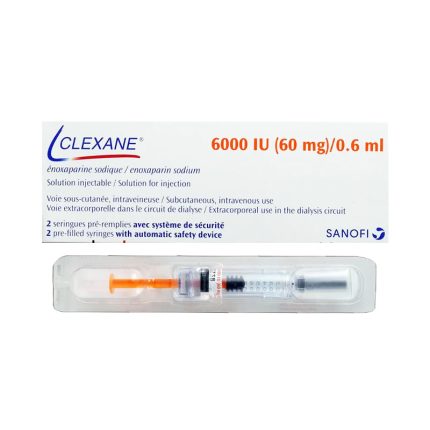
Clexane Injection 6000Iu/0.6Ml Enoxaparin Sodium (1 Box = 2 Injections)
Generics
Enoxaparin Sodium
Used For
Blood Clot
How it works
It works by stopping existing blood clots from getting any bigger. This helps your body to break them down and stop them causing you harm and by stopping blood clots forming in your blood.
Usage And Safety
Dosage
Enoxaparin Sodium
Side Effects
Bleeding a lot from a wound , If you have an allergic reaction. The signs may include: a rash, swallowing or breathing problems, swelling of your lips, face, throat or tongue , Headache , Anaemia , Alopecia , Liver injury, both hepatocellular & cholestatic.
Drug Interactions
Warfarin , Aspirin, dipyridamole, clopidogrel or other medicines- used to stop blood clots forming , Dextran injection , Ibuprofen, diclofenac, ketorolac or other medicines , Prednisolone, dexamethasone or other medicines , rheumatoid arthritis , Water tablets (diuretics) such as spironolactone, triamterene or amiloride. These may increase the levels of potassium in your blood when taken with Enoxaparin Sodium .
Indication
Prophylaxis of venous thromboembolism particularly associated with orthopaedic or general surgery and in bedridden patients . Treatment of venous thromboembolic disease presenting with deep vein thrombosis , pulmonary embolism or both . Treatment of unstable angina and non-Q wave MI. Prevention of thrombus formation in the extracorporeal circulation during haemodialysis . COVID-19.
When not to Use
You are allergic (hypersensitive) to enoxaparin sodium or any of the other ingredients . Signs of an allergic reaction include: A rash, swallowing or breathing problems, swelling of your lips, face, throat or tongue .
Precautions
Precaution
If you have a history of spinal surgery or spinal deformity or if you are going to have a spinal puncture or an operation where an epidural or spinal anaesthetic is used, tell your doctor that you are using Enoxaparin Sodium.
Warnings
Warning 1
You should not use this medicine if you are pregnant and have a mechanical heart valve as you may be at increased risk of developing blood clots. Your doctor should discuss this with you.
Warning 2
Before you use this medicine your doctor or nurse may carry out a blood test.
Warning 3
It is not recommended for use in children.
Additional Information
Pregnancy category
Always consult your physician before using any medicine.
Storage (YES/NO)
Store this medicine at room temperature, away from direct light and heat.
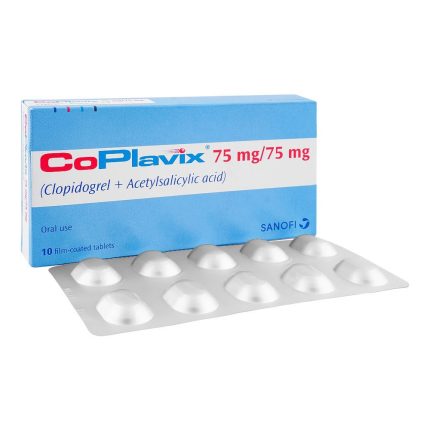
Co-Plavix Tablets 75Mg/75Mg ( Aspirin, Clopidogrel ) Sanofi
Generics
Aspirin, Clopidogrel
Used For
Stroke
How it works
Clopidogrel is an inhibitor of platelet activation and aggregation through the irreversible binding of its active metabolite to the P2Y12 class of ADP receptors on platelets. Aspirin inhibits prostaglandin synthesis resulting in inhibition of platelet aggregation for their lifespan of about 7-10 days. The acetyl group of aspirin binds with a serine residue of cyclooxygenase-1 (COX-1), resulting in irreversible inactivation of the enzyme. Inhibition of COX-1 prevents conversion of arachidonic acid to thromboxane A2 (TXA2), which is a potent agonist of platelet aggregation.
Co-Plavix Tablets Usage And Safety
Dosage
Aspirin, Clopidogrel
Side Effects
Uncommon: Thrombocytopenia, leucopenia, eosinophiliaRare: Neutropenia, including severe neutropeniaVery rare: Thrombotic thrombocytopenic purpura (TTP), aplastic anaemia, pancytopenia, agranulocytosis, severe thrombocytopenia, acquired haemophilia A, granulocytopenia, anaemia
Drug Interactions
Oral anticoagulants , Heparin , Thrombolytics , NSAIDs , SSRIs . Clopidogrel : Inducers of CYP2C19 , Inhibitors of CYP2C19 , Proton Pump Inhibitors (PPI) , Anti-retroviral therapies (ART) . Aspirin : Uricosurics (benzbromarone, probenecid, sulfinpyrazone) , Methotrexate , Tenofovir , Valproic acid , Alcohol.
Indication
It is indicated for the prevention of ischemic events, myocardial infarction, stroke and cardiovascular death in patients with Acute Coronary Syndrome (ACS).
When not to Use
Due to the presence of both components of the medicinal product, Clopidogrel/Aspirin is contraindicated in case of:• Hypersensitivity to the active substances or to any of the excipients.• Severe hepatic impairment.• Active pathological bleeding such as peptic ulcer or intracranial haemorrhage
Co-Plavix Tablets Precautions
Precaution
Due to the risk of bleeding and haematological adverse reactions, blood cell count determination and/or other appropriate testing should be promptly considered whenever clinical symptoms suggestive of bleeding arise during the course of treatment.
Co-Plavix Tablets Warnings
Warning 1
Patients should be followed carefully for any signs of bleeding including occult bleeding, especially during the first weeks of treatment and/or after invasive cardiac procedures or surgery. The concomitant administration of Clopidogrel/Aspirin with oral anticoagulants is not recommended since it may increase the intensity of bleeding.
Warning 2
Acquired haemophilia has been reported following use of clopidogrel. In cases of confirmed isolated activated Partial Thromboplastin Time (aPTT) prolongation with or without bleeding, acquired haemophilia should be considered. Patients with a confirmed diagnosis of acquired haemophilia should be managed and treated by specialists, and clopidogrel should be discontinued.
Warning 3
In patients with recent transient ischaemic attack or stroke who are at high risk of recurrent ischaemic events, the combination of ASA and clopidogrel has been shown to increase major bleeding. Therefore, such addition should be undertaken with caution outside of clinical situations where the combination has proven to be beneficial.
Co-Plavix Tablets Additional Information
Pregnancy category
Always consult your physician before using any medicine.
Storage (YES/NO)
Store this medicine at room temperature, away from direct light and heat.

Conaz Cream ( Ketoconazole ) ATCO
Fungal Infection
How it works
It works by stopping the growth of the fungus.
Conaz Cream Usage And Safety
Dosage
Ketoconazole
Side Effects
Skin Irritation
Drug Interactions
Ask your doctor or Pharmacist for any drug interactions.
Indication
It is used for fungal and yeast infections of the skin in adults.
When not to Use
• If you are allergic to anything in the list • For eye infections
Conaz Cream Precautions
Precaution
If you use ketoconazole cream/solution more often than you should, it may cause some burning sensation, redness or swelling. If this occurs, stop using straight away.
Conaz Cream Warnings
Warning 1
It is not recommended for use in children under 18 years of age
Warning 2
Cetyl alcohol and stearyl alcohol may cause local skin reactions (e.g. contact dermatitis).
Warning 3
Washing your hands after using the cream will stop you spreading the infection to other parts of your body or to other people.
Conaz Cream Additional Information
Pregnancy category
Always consult your physician before using any medicine.
Store this medicine at room temperature, away from direct light and heat.


Coralan 5mg Tab. ( Ivabradine ) Les Laboratoires
This medicine is indicated in chronic stable angina (consistent duration and severity of brief episodes of pain, pressure, squeezing and tightness in chest), coronary artery disease (narrowing or blockage of arteries of heart muscles) with normal sinus rhythm (normal heart rate) who have a contraindication or intolerance to beta blockers when monotherapy is inadequate and heart rate is more than 60 beats per minute. It is also used in patients with stable chronic heart failure, with systolic dysfunction (impairment in contraction of ventricles). In patients with stable chronic heart failure (chronic heart failure in which clinical condition didn’t get any worse) with systolic dysfunction (impairment in contraction of ventricles), in sinus rhythm (pace with which heart beats) rate equals to 75 beats per minute in combination with standard therapy, including beta blockers or when beta blockers are contraindicated, or not tolerated.
Side Effects
Its side effects include blurred vision, bradycardia (slow heart rate), 1st degree AV block (when there is a delay in conduction), ventricular extrasystole (premature contraction of ventricles), blood pressure changes, dizziness, headache etc.
Warnings
Pregnancy
This medicine is contraindicated in pregnancy. Consult your doctor before use.
Lactation
This medicine is contraindicated in pregnancy. Consult your doctor before use.
Driving
Please avoid driving when taking this medicine as it may affect your ability to drive.
Precautions
Elderly patients and patients with mild to moderate hypotension (low blood pressure), renal (kidney) insufficiency, moderate hepatic (liver) impairment, heart failure and retinitis pigmentosa (genetic disorder that causes loss of vision) may be sensitive to the drug. Patients should be monitored regularly for atrial fibrillation (irregular heart beat), QT syndrome or QT prolongation (a condition in which there is increased risk of irregular heart beat). For intraventricular defect (disturbance in propagation of impulse) and ventricular dyssynchrony (unsynchronized contractions of ventricles) patient should be monitored closely. After any changes in treatment, the patient's blood pressure should be monitored.
Contraindications
It is contraindicated in patients with pretreatment heart rate less than 60 beats per minute, persistent symptoms of bradycardia (very low heart rate) or if heart rate is persistently below 50 beats per minute, cardiogenic shock (a condition in which heart suddenly fails to pump enough blood to meet your body’s requirement), acute myocardial infarction (heart attack), severe hypotension (low blood pressure) (less than 90/50 mm Hg), sick sinus syndrome (a condition in which heart’s natural pacemaker is unable to create appropriate heart rate), sino atrial block (disorder in normal rhythm of heart, that started at SA node), unstable or acute heart failure (heart failure in which clinical condition is worsening), pacemaker dependent, unstable angina (condition in which heart is deprived of sufficient blood flow and oxygen), 2nd (conduction of atrial impulse through AV node is blocked or delayed) or 3rd (abnormal heart rhythm due to defect in conduction system) degree AV block, cardiac arrhythmias (abnormal heart rhythms), severe hepatic (liver) impairment or in patients immediately after stroke.
FAQS
When should I take Ivabradine?
Take two doses, one with breakfast and the second dose with the evening meal.
What are the side effects of Ivabradine?
Blurred vision, irregular heart beat, chest discomfort, dizziness, tiredness etc are some of its side effects.
What is the purpose of Ivabradine?
It is used to treat adults with heart failure (inability of heart to pump sufficient blood) to lower the risk that the condition will get worse.
Does Ivabradine make you tired?
Dizziness and tiredness may occur.
Can Ivabradine cause breathlessness?
Yes, It may cause breathlessness.
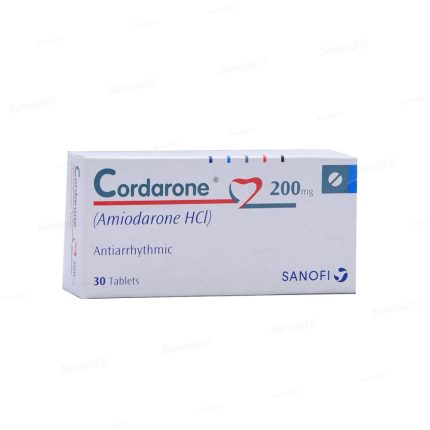
Cordarone 200mg Tab ( Amiodarone ) Sanofi
This medication is used to treat certain types of serious (possibly fatal) irregular heartbeat (such as recurrent ventricular fibrillation/tachycardia). It is used to restore normal heart rhythm and maintain a regular, steady heartbeat. Amiodarone is known as an anti-arrhythmic drug. It works by blocking certain electrical signals in the heart that can cause an irregular heartbeat.
How to use Cordarone 200 Mg Tablet
Read the Medication Guide provided by your pharmacist before you start using amiodarone and each time you get a refill. If you have any questions, consult your doctor or pharmacist.
Take this medication by mouth as directed by your doctor, usually once or twice daily. You may take this medication with or without food, but it is important to choose one way and take this medication the same way with every dose.
Avoid eating grapefruit or drinking grapefruit juice while using this medication unless your doctor or pharmacist says you may do so safely. Grapefruit can increase the chance of side effects with this medicine. Ask your doctor or pharmacist for more details.
The dosage is based on your medical condition and response to treatment. Your doctor may direct you to start this medication at a higher dose and gradually decrease your dose. Follow your doctor's instructions carefully. Do not stop taking this medication or change the dose without first consulting your doctor.