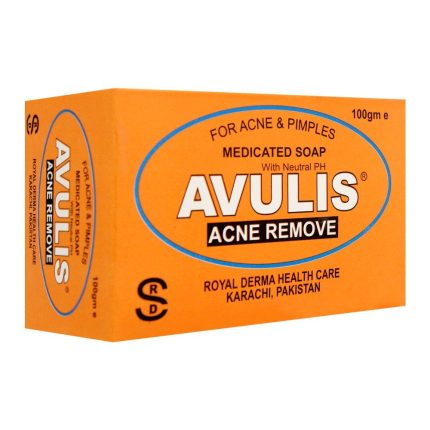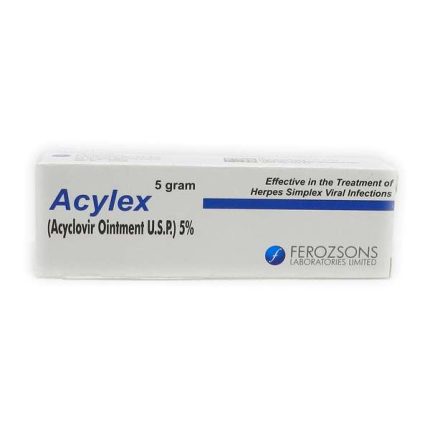
Acylex 5,g Cream ( Acyclovir ) Ferozsons
This medication is used to treat "cold sores/fever blisters" (herpes labialis). It can speed up healing of the sores and decrease symptoms (such as tingling, pain, burning, itching). Acyclovir belongs to a class of medications known as antivirals. It works by stopping the growth of the virus. This medication does not cure herpes, and it does not prevent passing the infection to someone else. It does not prevent a future occurrence.
How to use acyclovir topical
Read the Patient Information Leaflet if available from your pharmacist before you start using acyclovir and each time you get a refill. If you have any questions, ask your doctor or pharmacist.
Use this medication at the first sign of infection (such as tingling, burning, redness). Wash your hands with soap and water before and after applying this medication. Clean and dry the affected areas before applying the medication. Apply to the affected area and rub in gently as directed by your doctor, usually 5 times a day (every 3 to 4 hours) for 4 days for cold sores. Apply enough cream to cover all affected areas (red/tingling/burning areas, sores).
Apply to skin only. Do not apply this medication in the eyes or nose, inside the mouth, or inside the vagina. If you do get medication in those areas, flush with plenty of water.
Dosage is based on your medical condition, type of infection, and response to treatment. Do not use this drug more often or for longer than prescribed.
Use this medication regularly to get the most benefit from it. This medication works best when the amount of drug absorbed by the skin stays at a constant level. Use this drug at evenly spaced intervals. To help you remember, use it at the same times each day.
To prevent washing off the medication, do not bathe, shower, or swim right after applying it.
If applying to genital herpes sores, use a finger cot or rubber gloves to avoid spreading the infection.
Do not apply other skin products (such as drugs, cosmetics, sun screens, or lip balms) unless told to do so by your doctor. Do not cover the area with plastic or waterproof bandages unless told to do so by your doctor.
Cold sores (herpes) can spread easily. Acyclovir cream does not prevent the spread of herpes. Avoid close physical contact with others (such as kissing) during an outbreak until the cold sores have completely healed. Also, try not to touch the cold sore, and wash your hands if you do touch the cold sore.
If you are using acyclovir for treatment of genital herpes, it is important to follow safe sex practices to reduce the risk of giving herpes to your partner, even if there are no symptoms present. Always use a condom made of latex or polyurethane. When you have symptoms or are experiencing an outbreak, do not have sexual contact with your partner.
Tell your doctor if your condition lasts or gets worse after treatment is finished.
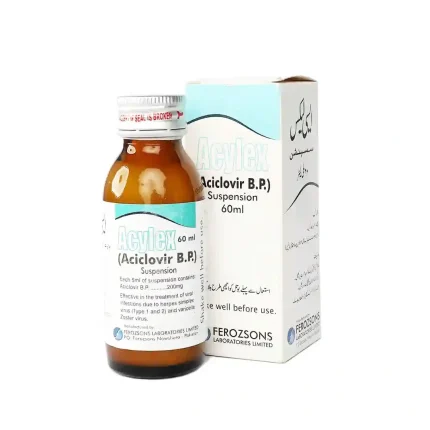
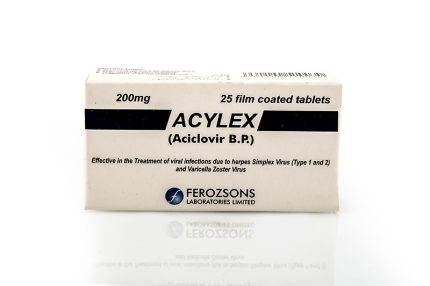
Acylex Tablet (Aciclovir) – Ferozsons
Name: Acylex Tablets, suspension and skin ointment
Company: FEROZSONS LABORATORIES LIMITED
Therapeutic Segment: Antiviral
Area: Viral Infections
Description:
Acylex (Acyclovir) is available as 200 mg, 400 mg and 800 mg tablets, as well as in tubes of 5% skin ointment. Acylex is primarily used for the treatment of herpes simplex virus infections, as well as in the treatment of varicella zoster (chickenpox) and herpes zoster (shingles).
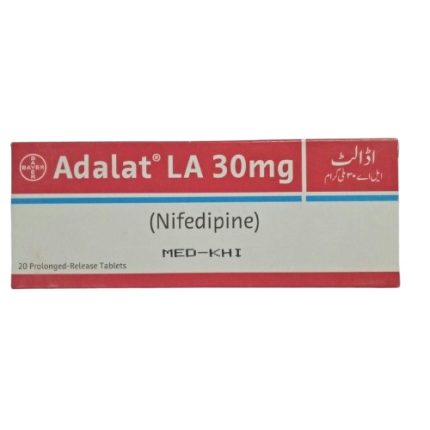
Adalat LA 30 mg tablet ( Nifedipine ) Bayer
This medication is used for prevention of chest pain (angina) and Raynaud’s Phenomenon. It can also be used in hypertensive (increased blood pressure) patients.
Administration:
This medicine is mostly taken orally (by mouth). The dosage is dependent on the age, condition and its severity. Please consult your doctor before use.
Not recommended for children.
Storage:
Please store this medicine at room temperature (18-25 Celsius). Keep medicine away from excessive light and moisture. Please keep it away from children.
Side Effects:
Headache, flushes, dizziness, tachycardia (increased heartbeat), hypotension (low blood pressure), GI upset, vasodilatation (widening of blood vessels), lethargy, skin reactions, myalgia (muscle pain), tremor, visual disturbances, increased urinary frequency, impotence, mood changes, Myocardial infarction and ishaemic pain.
Precautions:
Poor cardiac reserve, heart failure, liver impairment, severe hypotension (low blood pressure), diabetes, dialysis and in elderly.
Contraindications:
Patients with heart diseases, Liver impairment, history of GI obstruction, Crohn’s disease, dialysis, malignant hypertension, Patients with skin disorders/diseases
Primary Uses
Hypertension
Indications
This medication is used for prevention of chest pain (angina) and Raynaud’s Phenomenon. It can also be used in hypertensive (increased blood pressure) patients.
Side Effects
Headache, flushes, dizziness, tachycardia (increased heartbeat), hypotension (low blood pressure), GI upset, vasodilatation (widening of blood vessels), lethargy, skin reactions, myalgia (muscle pain), tremor, visual disturbances, increased urinary frequency, impotence, mood changes, Myocardial infarction and ishaemic pain.
Warnings
Pregnancy
This medication is contraindicated in pregnant females.
Lactation
This medication is contraindicated in lactating females.
Driving
Please avoid driving when taking this medicine as it may affect your ability to drive.
Alcohol
Please avoid consuming alcohol when taking this medicine.
Precautions
Please be cautious while using nifedipine in patients with poor cardiac reserve, hypotension, diabetes, heart failure and in elderly.
Contraindications
Patients with heart diseases, Liver impairment, history of GI obstruction, Crohn’s disease, dialysis, malignant hypertension, Patients with skin disorders/diseases
FAQS
Indications:
This medication is used for prevention of chest pain (angina). It can also be used for lowering blood pressure in hypertensive (increased blood pressure) patients. Lowering of blood pressure lessens the probability of heart attacks and kidney dysfunctions.
Storage:
Please store this medicine at room temperature (18-25 Celsius). Keep medicine away from excessive light and moisture. Please keep it away from children.
Precautions:
This medicine may make you dizzy so it is advised not to do any tasks that require alertness (e.g. driving) immediately after taking this medicine Heart patients should be precautious
Effects on pregnancy and lactation:
This medicine should only be used if its use is imperative during pregnancy and cannot be ignored. This medicine passes into breast milk. Consult your health care provider before use of this medicine.
Administration:
This medicine is mostly taken orally (by mouth). The dosage is dependent on the age, condition and its severity. Please consult your doctor before use. Not recommended for children.
Side Effects:
• Rash • Dizziness • Decreased blood pressure • Visual disturbances
Contraindications:
• Patients with heart disease • Patients with skin disorders/diseases

Advantan Cream (Methylprednisolone Aceponate) – Bayer
For external use only.
-Apply fatty ointment and cream ointment as a thin layer to the affected areas.
-Apply as advised by your healthcare provider.
-Wash and dry area gently before application.
-Rub lightly. Apply dressing to the applied area only if needed.
-Contact your healthcare provider if no improvement is seen or the condition is worsening.
-Avoid contact with eyes, mucous membranes or open wounds.
-Do not use for long time around genital, rectal and other sensitive parts.
-Exposure of affected areas to direct sunlight must be avoided.
-The duration of use should be less than 12 weeks in adults and less than 4 weeks in children.
-If the skin dries out excessively during treatment with cream or lotion, a change should be made to one of the formulations with a higher fat content i.e. ointment or fatty ointment.
Primary Uses
Indications
This medicine is used to treat endogenous eczema (an inherent tendency to develop dermatitis on the skin), including atopic dermatitis (a condition that makes your skin red and itchy. It is chronic and tends to flare periodically. It may be accompanied by asthma or hay fever) and neurodermatitis (a skin condition that starts with an itchy patch of skin. Scratching makes it even itchier). It is also indicated for the treatment of contact dermatitis (a red, itchy rash caused by direct contact with a substance or an allergic reaction to it), degenerative, dyshidrotic (skin condition in which blisters develop on the soles of your feet and/or the palms of your hands. The blisters are usually itchy and may be filled with fluid) and vulvar (occurs in women when the soft folds of skin around the opening of the vagina become red, painful, and itchy) eczema.
Side Effects
The patients taking this medication may experience itching, burning, erythema (redness of the skin), thinning of the skin, dilation of cutaneous vessels, the formation of stripes or acneiform skin conditions, increased body hair growth, and perioral dermatitis (a facial rash that tends to occur around the mouth).
Warnings
Pregnancy
This medicine is contraindicated in pregnancy.
Lactation
Lactating mothers are strictly advised not to use this medicine.
Precautions
The patients taking this medication must be cautious in cases of areas with higher percutaneous absorption. It is advised that the ointment is applied over larger surface areas with an addition of occlusive dressings. Discontinue, if local irritation develops. Do not use it to treat diaper dermatoses in infants.
Contraindications
This medication is contraindicated in patients with areas of tuberculous or syphilitic processes, as well as for the treatment of viral diseases such as vaccinia (causes small pox), chicken pox, and shingles (viral infection that causes painful rash).
FAQS
What is the dosage for this medication?
Apply thinly once daily.
What is the maximum duration for the application of this medication?
Max duration is 12 weeks in adults and 4 weeks in children.
Is this medication safe for babies?
In an infant with newly diagnosed eczema, this medication is safe and effective in alleviating lesions and scratching severity and restoring sleep.
Can this medication be used for nappy rashes?
This medication is for very severe nappy rashes, but not for very young babies.
How to store this medication?
Keep this medication in a cool dry place where the temperature stays below 25 C.
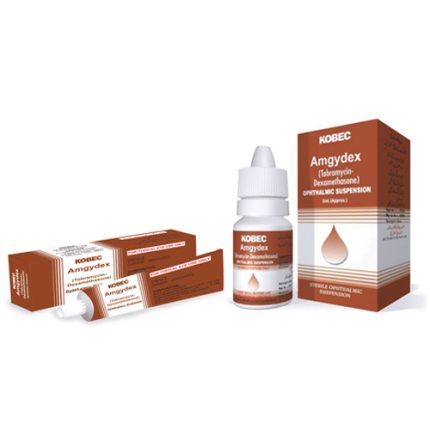
Amgydex Ointment ( Tobramycin Dexamethasone ) KOBEC
Used For Eye Infection
The efficacy of corticosteroids for the treatment of inflammatory conditions of the eye is well established. Corticosteroids achieve their anti-inflammatory effects through suppression of vascular endothelial cell adhesion molecules, cyclooxygenase I or II, and cytokine expression. This action culminates in a reduced expression of pro-inflammatory mediators and the suppression of adhesion of circulating leukocytes to the vascular endothelium, thereby preventing their migration into inflamed ocular tissue. Dexamethasone has marked anti-inflammatory activity with reduced mineralocorticoid activity compared with some other steroids, and is one of the most potent anti-inflammatory agents. Tobramycin is a potent, broad-spectrum, rapidly bactericidal aminoglycoside antibiotic. It exerts its primary effect on bacterial cells by inhibiting polypeptide assembly and synthesis on the ribosome. Tobramycin in this combination provides antibacterial protection against susceptible bacteria.
Amgydex Eye Usage And Safety
Dosage
Tobramycin , Dexamethasone
Side Effects
• Eye irritation, itchiness or feeling of having something in the eye • eye pain • inflammation of the cornea (clear front portion of your eye) (punctate keratitis) • swollen or itchy eyelids • eye redness • increased tearing or dry eyes • blurred vision • drooping eyelid • dilated pupil • another (secondary) eye infection • formation of cataracts • raised pressure in the eye which may lead to headaches and disturbances of vision • slowed healing of the cornea • changes to sensations of taste • headache • nausea • stomach discomfort.
Drug Interactions
NSAID , CYP3A4 inhibitors , anticholinergics , other phosphate containing ocular preps .
Indication
It is used to treat inflammation, corneal injury and bacterial infections in the external part of the eye.
When not to Use
Do not use if you have an allergy to: •Tobramycin or any other aminoglycoside antibiotics • Dexamethasone or any other corticosteroids • Any of the ingredients in the list.
Amgydex Eye Precautions
Precaution
Do not use Tobramycin & Dexamethasone for longer than your doctor tells you. If you use Tobramycin + Dexamethasone Eye ointment for longer than your doctor or pharmacist tells you, the chance of side effects may increase.
Amgydex Eye Warnings
Warning 1
It is not for use in children. The safety and effectiveness in children has not been established.
Warning 2
Do not use Eye ointment if you have an eye infection including infections caused by a virus, fungus or a parasite.
Warning 3
The preservative in Eye ointment is benzalkonium chloride, may be deposited in soft contact lenses. You can put your soft contact lenses back into your eyes 15 minutes after you have used Tobramycin Eye ointment.
Amgydex Eye Additional Information
Pregnancy category
Always consult your physician before using any medicine.
Store this medicine at room temperature, away from direct light and heat.
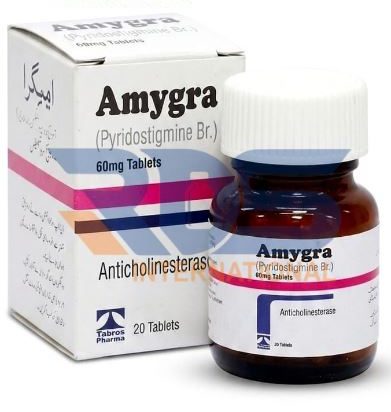
Amygra 60mg Tab. ( Pyridostigmine Bromide ) Tabros Pharma
Used For
Myasthenia GravisHow it works
This medicine belongs to a group of medicines known as cholinesterase inhibitors. Cholinesterase inhibitors stop the excessive activity of cholinesterase and in this way help muscles to work properly.Usage And Safety
Dosage
The usual adult dose is 1/2 to 2 tablets to be taken five to six times daily.For children under 6 years, the usual dose is 1/2 tablet (30 mg). For children aged 6 to 12 years, the usual starting dose is 1 tablet (60 mg) or as directed by your physician.Side Effects
Visual disturbance, producing more tears than usual an irregular heart beat, heart block, low blood pressure, fainting ,producing more phlegm than usual combined with constriction of the airways, feeling sick, vomiting, diarrhoea, stomach cramps, producing more saliva than usual , rash , excessive sweating , muscle weakness and twitching, shaking, muscle cramps , sudden, compelling urge to urinate.Drug Interactions
This medicine may interact with medicines known as steroids or other immunosuppressant medicines , medicines known as antimuscarinics (e.g. atropine, hyoscine) , medicines containing methylcellulose , antibiotics , medicines to treat an irregular heart beat.Indication
It is used for the treatment of myasthenia gravis. In patients who suffer from myasthenia gravis the muscles quickly become tired and weak and, in severe cases, the muscles may become paralysed.When not to Use
Don't take this medicine if you are allergic (hypersensitive) to pyridostigmine or you are constipated or cannot urinate.Precautions
Tell your doctor if you Suffer from asthma or have other chest problems such as wheeziness, difficulty in breathing or chronic cough or have recently had coronary obstruction (heart attack), have a slow heart beat or any other heart condition.
Warnings
- This medicine may reduce the sharpness of your eyesight and therefore your ability to drive or use machines. Do not drive or operate machines if this medicine affects your ability to see clearly.
2. Tell your doctor that you are taking this medicine. It can stop the effect of some medicines used to relax muscles during surgery (e.g. alcuronium, vecuronium).
3. Don’t take this medicine if you have low blood pressure, have a stomach ulcer, have epilepsy, have Parkinson’s disease or have kidney problems.
Additional Information
Pregnancy category
Always consult your physician before using any medicine.Storage (YES/NO)
Store this medicine at room temperature, away from direct light and heat.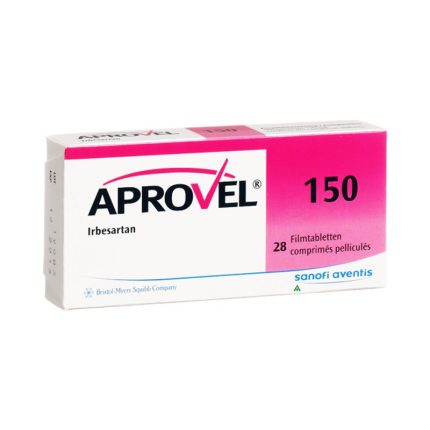
Aprovel 150mg Tab. ( Irbesartan ) 28’s Sanofi
Generics
Irbesartan
Used For
Hypertension
How it works
Irbesartan : Irbesartan is a potent, orally active, selective angiotensin-II receptor (type AT1) antagonist. It is expected to block all actions of angiotensin-II mediated by the AT1 receptor, regardless of the source or route of synthesis of angiotensin-II. The selective antagonism of the angiotensin-II (AT1) receptors results in increases in plasma renin levels and angiotensin-II levels, and a decrease in plasma aldosterone concentration. Serum potassium levels are not significantly affected by irbesartan alone at the recommended doses. Irbesartan does not inhibit ACE (kininase-II), an enzyme which generates angiotensin-II and also degrades bradykinin into inactive metabolites. Irbesartan does not require metabolic activation for its activity.
Aprovel Tablets Usage And Safety
Dosage
Irbesartan
Side Effects
Cardiac disorders: Common: increases in blood urea nitrogen (BUN), creatinine and creatine kinase Uncommon: decreases in serum potassium and sodium .Uncommon: syncope, hypotension, tachycardia, oedema. Nervous system disorders: Common: dizziness Uncommon: orthostatic dizziness Not known: headache . Ear and labyrinth disorders: Not known: tinnitus. Respiratory, thoracic and mediastinal disorders: Not known: cough. Gastrointestinal disorders: Common: nausea/vomiting , Uncommon: diarrhoea , Not known: dyspepsia, dysgeusia .
Drug Interactions
Irbesartan : Lithium , kaliuretic diuretics, laxatives, amphotericin, carbenoxolone, penicillin G sodium , heparin sodium , digitalis glycosides, antiarrhythmics , selective COX-2 inhibitors, acetylsalicylic acid.
Indication
Treatment of essential hypertension.
When not to Use
Do not take if: - You are in the second or third trimester of pregnancy, - You are breast-feeding or - If you are allergic to any of the ingredients.
Aprovel Tablets Precautions
Precaution
There is an increased risk of severe hypotension and renal insufficiency when patients with bilateral renal artery stenosis or stenosis of the artery to a single functioning kidney are treated with angiotensin converting enzyme inhibitors or angiotensin-II receptor antagonists. While this is not documented with Irbesartan/Hydrochlorothiazide , a similar effect should be anticipated.
Aprovel Tablets Warnings
Warning 1
There is evidence that the concomitant use of ACE-inhibitors, angiotensin II receptor blockers or aliskiren increases the risk of hypotension, hyperkalaemia and decreased renal function (including acute renal failure). Dual blockade of RAAS through the combined use of ACE-inhibitors, angiotensin II receptor blockers or aliskiren is therefore not recommended.
Warning 2
ACE-inhibitors and angiotensin II receptor blockers should not be used concomitantly in patients with diabetic nephropathy.
Warning 3
As for any patient receiving diuretic therapy, periodic determination of serum electrolytes should be performed at appropriate intervals
Aprovel Tablets Additional Information
Pregnancy category
Always consult your physician before using any medicine.
Storage (YES/NO)
Store this medicine at room temperature, away from direct light and heat.
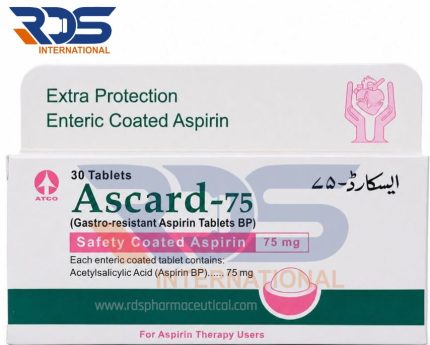
Ascard Tablets 75mg ( Aspirin ) Atco
Generics
AspirinUsed For
StrokeHow it works
It is used to reduce the risk of a heart attack or stroke in patients who have a history of heart disease or stroke associated symptoms. This medicine works by preventing the formation of clots in the blood vessels. This medicine helps by making blood flow smoothly throughout the heart.It is also is used to reduce fever and mild to moderate pain from a headache, menstrual periods, cold, toothache, or muscle ache.Usage And Safety
Dosage
For Stroke - Adults : 50-325mg once daily , Pain - For Chidren & Adults : Above 12yrs , 325-1000mg every 4-6 hr as needed. Check with your doctor or pharmacist if you are not sure. For oral use.Side Effects
Bronchospsm , GI upset , allergic reactions , GI and other haemorrhage. Tinnitus , vertigo , confusion , increased bleeding.Drug Interactions
Oral anticoagulants , Heparin , antiplatelet agents , fibrinolytic , NSAIDS , uricosuric agents , methotraxate , SSRIs , vanlafaxine , corticosteroids , acetazolamide , tacrolimus , antihypertensive.Indication
For primary and secondary prevention of CV disease.When not to Use
Hypersensitivity to salicylic acid compounds or prostaglandin synthetase inhibitors (e.g. certain asthma patients who may suffer an attack or faint and certain patients who may suffer from bronchospasm, rhinitis and urticaria), or to any of the excipients.Precautions
Precaution
Aspirin is not recommended during menorrhagia where it may increase menstrual bleeding.Warnings
- This product belongs to a group of medicines which may impair fertility in women. This effect is reversible on stopping the medicine
2. Stop taking this medicine and contact your doctor if you experience bleeding from the bowel or perforation of the bowel or ulceration associated with use of NSAIDs.
3. Do not use in the last 3 months of pregnancy and should be avoided during the first and second trimesters. Do not use if you are breast-feeding.
Additional Information
Pregnancy category
Always consult your physician before using any medicine.Storage (YES/NO)
Store this medicine at room temperature, away from direct light and heat.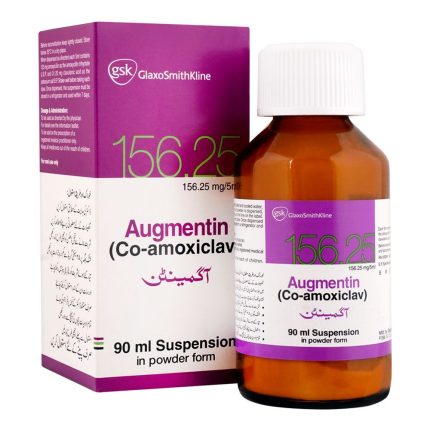
Augmentin 156.25 ( Co-Amoxiclav ) GSK
Amoxicillin/clavulanic acid is a combination penicillin-type antibiotic used to treat a wide variety of bacterial infections. It works by stopping the growth of bacteria.This antibiotic treats only bacterial infections. It will not work for viral infections (such as common cold, flu). Using any antibiotic when it is not needed can cause it to not work for future infections.
How to use Augmentin oral
Shake the bottle well before each dose. Carefully measure the dose using a special measuring device/spoon. Do not use a household spoon because you may not get the correct dose. Take this medication with a meal or snack as directed by the doctor. Depending on your specific product, this medication is usually taken every 8 or 12 hours.
The dosage is based on your age, weight, medical condition, and response to treatment.
For the best effect, take this antibiotic at evenly spaced times. To help you remember, take this medication at the same time(s) every day.
Continue to take this medication until the full prescribed amount is finished, even if symptoms disappear after a few days. Stopping the medication too early may result in a return of the infection.
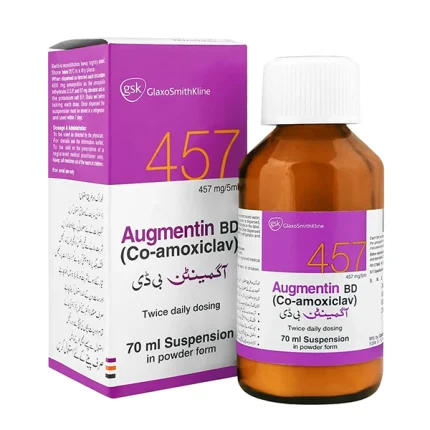
Augmentin BD 457 ( Co-Amoxiclav ) GSK
Generics : Co-Amoxiclav
Used For
Bacterial InfectionHow it works
The beta-lactamase inhibitory action of clavulanate extends the spectrum of amoxicillin to embrace a wider range of organisms, including many resistant to other beta-lactam antibiotics.Usage And Safety
Dosage
Oral : Suspension 156.25 mg . Children : Under 3 months , not recommended , 3-9 months , 2.5ml half-strength , 9months-2yr , 5ml half strength . 2-6yr , 5ml. All three Times daily up to 14 days. Tablets : Mild - Moderate infections: 375mg three times a day or One 625 mg tablet every 12 hours. Severe infections : One 1 g tablet every 12 hours. Always take this medicine exactly as your doctor has told you. Dosage depends on the age and renal function of the patient and the severity of the infection. INJ : Adults : 1.2gm by IV inj or intermittent infusion eight or six hourly . Treat up to 14 days then review . Children : Up to 3 month , 30mg/kg every twelve hr in premature and full term infants during the perinatal period , increasing to eight hr thereafter ; 3 mnth-12yr, 30mg/kg eight or six hourly . All by IV inj or intermittent infusion for up to 14 days then revise . OR As directed by your physician.Side Effects
Mucocutaneous candidiasis , Reversible leukopenia (including neutropenia) and thrombocytopenia , Angioneurotic oedema, anaphylaxis, serum sickness-like syndrome, hypersensitivity vasculitis , Dizziness, headache , Diarrhoea , Nausea, vomiting , Indigestion .Drug Interactions
Mycophenolate mofetil , Probenecid , Oral contraceptives , acenocoumarol or warfarin .Indication
It is an antibiotic agent with a notably broad spectrum of activity against the commonly occurring bacterial pathogens .When not to Use
It is contraindicated in patients with a history of hypersensitivity to betalactams, e.g. penicillins and cephalosporins.Precautions
Before initiating therapy with Co-Amoxiclav, careful enquiry should be made concerning previous hypersensitivity reactions to penicillins, cephalosporins, or other allergens.
Warnings
- ) Serious and occasionally fatal hypersensitivity reactions (including anaphylactoid and severe cutaneous adverse reactions) have been reported in patients on penicillin therapy. These reactions are more likely to occur in individuals with a history of penicillin hypersensitivity.
2. ) Prolonged use may also occasionally result in overgrowth of non-susceptible organisms.
3. ) In patients with renal impairment, Co-Amoxiclav dosage should be adjusted as recommended.
Additional Information
Pregnancy category
Always consult your physician before using any medicine.Storage
Store this medicine at room temperature, away from direct light and heat.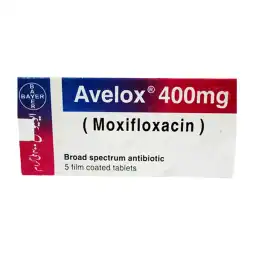
Avelox 400mg Tab ( Moxifloxacin HCl ) Bayer
Generics
Moxifloxacin HCl
Used For
Bacterial Infection
How it works
Moxifloxacin has in vitro activity against a wide range of Gram-positive and Gram-negative microorganisms. The bactericidal action of moxifloxacin results from inhibition of the topoisomerase II (DNA gyrase) and topoisomerase IV required for bacterial DNA replication, transcription, repair, and recombination. It appears that the C8-methoxy moiety contributes to enhanced activity and lower selection of resistant mutants of Gram-positive bacteria compared to the C8-H moiety. The presence of the bulky bicycloamine substituent at the C 7 position prevents active efflux, associated with the NorA or pmrA genes seen in certain Gram-positive bacteria.
Avelox Tablets Usage And Safety
Dosage
Moxifloxacin HCl
Side Effects
BODY AS A WHOLE: Abdominal pain, headache, asthenia, injection site reaction (including phlebitis), malaise, moniliasis, pain, allergic reaction CARDIOVASCULAR: Tachycardia, palpitation, vasodilation, QT interval prolonged DIGESTIVE: Vomiting, abnormal liver function test, dyspepsia, dry mouth, flatulence, oral moniliasis, constipation, GGTP increased, anorexia, stomatitis, glossitis HEMIC AND LYMPHATIC: Leukopenia, eosinophilia, prothrombin decrease (prothrombin time prolonged/International Normalized Ratio (INR) increased), thrombocythemia METABOLIC AND NUTRITIONAL: Lactic dehydrogenase increased, amylase increased MUSCULOSKELETAL: Arthralgia, myalgia NERVOUS SYSTEM: Insomnia, nervousness, vertigo, somnolence, anxiety, tremor SKIN/APPENDAGES: Rash (maculopapular, purpuric, pustular), pruritus, sweating, urticaria SPECIAL SENSES: Taste perversion.
Drug Interactions
Drugs that prolong the QT interval including antiarrhythmics , antipsychotics , neuroleptics , TCADS , antimicrobials , antihistamins , cisapride. Corticosteroids , hypokalaemic agents , anticoagulants, Antacids , didanosine , sucralfate , charcoal , iron or zinc supplements.
Indication
It is indicated for the treatment of adults (> 18 years of age) with infections caused by susceptible strains of the designated microorganisms in the conditions listed below:Acute Bacterial Sinusitis caused by Streptococcus pneumoniae, Haemophilus influenzae, or Moraxella catarrhalis. Acute Bacterial Exacerbation of Chronic Bronchitis caused by Streptococcus pneumoniae, Haemophilus influenzae, Haemophilus parainfluenzae, Klebsiella pneumoniae, methicillin-susceptible Staphylococcus aureus, or Moraxella catarrhalis.Community Acquired Pneumonia caused by Streptococcus pneumoniae.
When not to Use
Moxifloxacin is contraindicated in persons with a history of hypersensitivity to moxifloxacin or any member of the quinolone class of antimicrobial agents.
Avelox Tablets Precautions
Precaution
Quinolones may cause central nervous system (CNS) events, including: nervousness, agitation, insomnia, anxiety, nightmares or paranoia.
Avelox Tablets Warnings
Warning 1
Moxifloxacin has been shown to prolong the QT interval of the electrocardiogram in some patients. The drug should be avoided in patients with known prolongation of the QT interval, patients with uncorrected hypokalemia and patients receiving Class IA (e.g., quinidine, procainamide) or Class III (e.g., amiodarone, sotalol) antiarrhythmic agents, due to the lack of clinical experience with the drug in these patient populations.
Warning 2
Moxifloxacin should be used with caution in patients with ongoing proarrhythmic conditions, such as clinically significant bradycardia, acute myocardial ischemia. The magnitude of QT prolongation may increase with increasing concentrations of the drug or increasing rates of infusion of the intravenous formulation. Therefore the recommended dose or infusion rate should not be exceeded.
Warning 3
Convulsions have been reported in patients receiving quinolones. Quinolones may also cause central nervous system (CNS) events including: dizziness, confusion, tremors, hallucinations, depression and rarely, suicidal thoughts or acts. These reactions may occur following the first dose. If these reactions occur in patients receiving moxifloxacin, the drug should be discontinued and appropriate measures instituted.
Avelox Tablets Additional Information
Pregnancy category
Always consult your physician before using any medicine.
Storage (YES/NO)
Store this medicine at room temperature, away from direct light and heat.