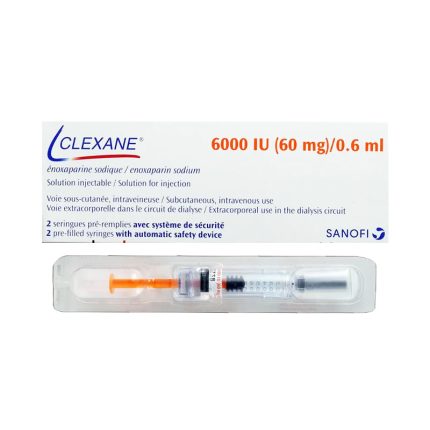
Clexane Injection 6000Iu/0.6Ml Enoxaparin Sodium (1 Box = 2 Injections)
Generics
Enoxaparin Sodium
Used For
Blood Clot
How it works
It works by stopping existing blood clots from getting any bigger. This helps your body to break them down and stop them causing you harm and by stopping blood clots forming in your blood.
Usage And Safety
Dosage
Enoxaparin Sodium
Side Effects
Bleeding a lot from a wound , If you have an allergic reaction. The signs may include: a rash, swallowing or breathing problems, swelling of your lips, face, throat or tongue , Headache , Anaemia , Alopecia , Liver injury, both hepatocellular & cholestatic.
Drug Interactions
Warfarin , Aspirin, dipyridamole, clopidogrel or other medicines- used to stop blood clots forming , Dextran injection , Ibuprofen, diclofenac, ketorolac or other medicines , Prednisolone, dexamethasone or other medicines , rheumatoid arthritis , Water tablets (diuretics) such as spironolactone, triamterene or amiloride. These may increase the levels of potassium in your blood when taken with Enoxaparin Sodium .
Indication
Prophylaxis of venous thromboembolism particularly associated with orthopaedic or general surgery and in bedridden patients . Treatment of venous thromboembolic disease presenting with deep vein thrombosis , pulmonary embolism or both . Treatment of unstable angina and non-Q wave MI. Prevention of thrombus formation in the extracorporeal circulation during haemodialysis . COVID-19.
When not to Use
You are allergic (hypersensitive) to enoxaparin sodium or any of the other ingredients . Signs of an allergic reaction include: A rash, swallowing or breathing problems, swelling of your lips, face, throat or tongue .
Precautions
Precaution
If you have a history of spinal surgery or spinal deformity or if you are going to have a spinal puncture or an operation where an epidural or spinal anaesthetic is used, tell your doctor that you are using Enoxaparin Sodium.
Warnings
Warning 1
You should not use this medicine if you are pregnant and have a mechanical heart valve as you may be at increased risk of developing blood clots. Your doctor should discuss this with you.
Warning 2
Before you use this medicine your doctor or nurse may carry out a blood test.
Warning 3
It is not recommended for use in children.
Additional Information
Pregnancy category
Always consult your physician before using any medicine.
Storage (YES/NO)
Store this medicine at room temperature, away from direct light and heat.

Clomid Tablet (Clomiphene Citrate) – Pacific
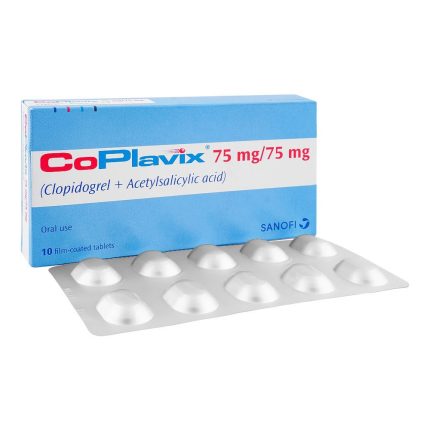
Co-Plavix Tablets 75Mg/75Mg ( Aspirin, Clopidogrel ) Sanofi
Generics
Aspirin, Clopidogrel
Used For
Stroke
How it works
Clopidogrel is an inhibitor of platelet activation and aggregation through the irreversible binding of its active metabolite to the P2Y12 class of ADP receptors on platelets. Aspirin inhibits prostaglandin synthesis resulting in inhibition of platelet aggregation for their lifespan of about 7-10 days. The acetyl group of aspirin binds with a serine residue of cyclooxygenase-1 (COX-1), resulting in irreversible inactivation of the enzyme. Inhibition of COX-1 prevents conversion of arachidonic acid to thromboxane A2 (TXA2), which is a potent agonist of platelet aggregation.
Co-Plavix Tablets Usage And Safety
Dosage
Aspirin, Clopidogrel
Side Effects
Uncommon: Thrombocytopenia, leucopenia, eosinophiliaRare: Neutropenia, including severe neutropeniaVery rare: Thrombotic thrombocytopenic purpura (TTP), aplastic anaemia, pancytopenia, agranulocytosis, severe thrombocytopenia, acquired haemophilia A, granulocytopenia, anaemia
Drug Interactions
Oral anticoagulants , Heparin , Thrombolytics , NSAIDs , SSRIs . Clopidogrel : Inducers of CYP2C19 , Inhibitors of CYP2C19 , Proton Pump Inhibitors (PPI) , Anti-retroviral therapies (ART) . Aspirin : Uricosurics (benzbromarone, probenecid, sulfinpyrazone) , Methotrexate , Tenofovir , Valproic acid , Alcohol.
Indication
It is indicated for the prevention of ischemic events, myocardial infarction, stroke and cardiovascular death in patients with Acute Coronary Syndrome (ACS).
When not to Use
Due to the presence of both components of the medicinal product, Clopidogrel/Aspirin is contraindicated in case of:• Hypersensitivity to the active substances or to any of the excipients.• Severe hepatic impairment.• Active pathological bleeding such as peptic ulcer or intracranial haemorrhage
Co-Plavix Tablets Precautions
Precaution
Due to the risk of bleeding and haematological adverse reactions, blood cell count determination and/or other appropriate testing should be promptly considered whenever clinical symptoms suggestive of bleeding arise during the course of treatment.
Co-Plavix Tablets Warnings
Warning 1
Patients should be followed carefully for any signs of bleeding including occult bleeding, especially during the first weeks of treatment and/or after invasive cardiac procedures or surgery. The concomitant administration of Clopidogrel/Aspirin with oral anticoagulants is not recommended since it may increase the intensity of bleeding.
Warning 2
Acquired haemophilia has been reported following use of clopidogrel. In cases of confirmed isolated activated Partial Thromboplastin Time (aPTT) prolongation with or without bleeding, acquired haemophilia should be considered. Patients with a confirmed diagnosis of acquired haemophilia should be managed and treated by specialists, and clopidogrel should be discontinued.
Warning 3
In patients with recent transient ischaemic attack or stroke who are at high risk of recurrent ischaemic events, the combination of ASA and clopidogrel has been shown to increase major bleeding. Therefore, such addition should be undertaken with caution outside of clinical situations where the combination has proven to be beneficial.
Co-Plavix Tablets Additional Information
Pregnancy category
Always consult your physician before using any medicine.
Storage (YES/NO)
Store this medicine at room temperature, away from direct light and heat.

Colic Drops 20ml (Carum Carvi (API) 0.7mg, Trachyspermum ammi (API) 0.7mg) – paul brooks
**Used For**
Indigestion, Colic & Gas Relief
### How It Works
Paul Brooks Colic Drops is a natural herbal formulation specially developed to help relieve colic, gas, bloating, and digestive discomfort in infants. It contains a carefully selected blend of traditional herbal ingredients including **Carum Carvi (Caraway)**, **Trachyspermum Ammi (Ajwain)**, and **Zingiber Officinale (Ginger)**, which have long been used to support healthy digestion and gastrointestinal comfort.
These herbal ingredients work together to help reduce trapped gas, ease abdominal discomfort, support digestion, and relieve symptoms associated with infant colic. The gentle formulation helps soothe a baby's digestive system, making feeding and digestion more comfortable.
Colic is a common condition that affects many infants and may cause prolonged periods of crying, irritability, and stomach discomfort. Paul Brooks Colic Drops help provide natural relief by supporting digestive function and reducing bloating and gas accumulation. The convenient liquid drop formulation allows easy administration and accurate dosing for infants.
## Usage & Safety
### Dosage
Administer **4 drops, 3 to 4 times daily**, or as directed by your physician.
### Side Effects
No known side effects have been reported when used as directed.
### Drug Interactions
No known drug interactions have been reported. However, consult your healthcare professional if your child is taking any other medications.
### Indication
A herbal medicinal preparation indicated for the relief of infant colic, abdominal discomfort, gas, bloating, and indigestion. The natural combination of **Ajwain (Carom Seeds)**, **Caraway (Black Zeera)**, and **Ginger** helps promote digestive comfort and supports healthy gastrointestinal function.
### When Not to Use
Do not use if your child is allergic or hypersensitive to any of the ingredients contained in this product.
### Precautions
Keep out of the reach of children. Protect from direct sunlight and store at or below **30°C**. If symptoms persist or worsen, consult your healthcare professional.
### Warning
Use only as directed. If unusual symptoms occur or your child's condition does not improve, discontinue use and seek medical advice. Do not exceed the recommended dosage without consulting a healthcare professional.
## Additional Information
### Pregnancy Category
Always consult your physician before using any medication.
### Storage
Store at room temperature in a cool, dry place away from direct sunlight, heat, and moisture. Keep out of the reach of children.

Collagen Complex (Biotin & Vitamin C) – Elate Pharma
This is a Elate’s Collagen Dietary Supplement in softgel form, designed to support overall beauty and wellness, especially for hair, skin, and nails.
🟣 Product Overview
This product is called Elate’s Collagen With Biotin & Vitamin C. It is a nutritional supplement formulated to help improve natural beauty from within by supporting collagen levels in the body.
🧴 Packaging Details
Comes in a red plastic bottle
Has a white safety cap on top
The label design features a purple and white theme, giving it a clean and professional supplement look
Brand name “Elate’s” is clearly displayed on the front
💊 Form
Available in softgel capsules
Pack contains 30 softgels
🌿 Key Ingredients
Collagen: Supports skin elasticity, hair strength, and joint health
Biotin (Vitamin B7): Helps promote healthier, stronger hair and nails
Vitamin C: Aids collagen formation and improves skin health
✨ Benefits
Helps strengthen hair and reduce hair breakage
Supports glowing, healthy skin
Improves nail strength and reduces brittleness
Provides overall beauty support from within
🏷️ Label Highlights
Dietary Supplement
Hair, Skin & Nails Formula
30 Softgels Pack

Conaz Cream ( Ketoconazole ) ATCO
Fungal Infection
How it works
It works by stopping the growth of the fungus.
Conaz Cream Usage And Safety
Dosage
Ketoconazole
Side Effects
Skin Irritation
Drug Interactions
Ask your doctor or Pharmacist for any drug interactions.
Indication
It is used for fungal and yeast infections of the skin in adults.
When not to Use
• If you are allergic to anything in the list • For eye infections
Conaz Cream Precautions
Precaution
If you use ketoconazole cream/solution more often than you should, it may cause some burning sensation, redness or swelling. If this occurs, stop using straight away.
Conaz Cream Warnings
Warning 1
It is not recommended for use in children under 18 years of age
Warning 2
Cetyl alcohol and stearyl alcohol may cause local skin reactions (e.g. contact dermatitis).
Warning 3
Washing your hands after using the cream will stop you spreading the infection to other parts of your body or to other people.
Conaz Cream Additional Information
Pregnancy category
Always consult your physician before using any medicine.
Store this medicine at room temperature, away from direct light and heat.


Coralan 5mg Tab. ( Ivabradine ) Les Laboratoires
This medicine is indicated in chronic stable angina (consistent duration and severity of brief episodes of pain, pressure, squeezing and tightness in chest), coronary artery disease (narrowing or blockage of arteries of heart muscles) with normal sinus rhythm (normal heart rate) who have a contraindication or intolerance to beta blockers when monotherapy is inadequate and heart rate is more than 60 beats per minute. It is also used in patients with stable chronic heart failure, with systolic dysfunction (impairment in contraction of ventricles). In patients with stable chronic heart failure (chronic heart failure in which clinical condition didn’t get any worse) with systolic dysfunction (impairment in contraction of ventricles), in sinus rhythm (pace with which heart beats) rate equals to 75 beats per minute in combination with standard therapy, including beta blockers or when beta blockers are contraindicated, or not tolerated.
Side Effects
Its side effects include blurred vision, bradycardia (slow heart rate), 1st degree AV block (when there is a delay in conduction), ventricular extrasystole (premature contraction of ventricles), blood pressure changes, dizziness, headache etc.
Warnings
Pregnancy
This medicine is contraindicated in pregnancy. Consult your doctor before use.
Lactation
This medicine is contraindicated in pregnancy. Consult your doctor before use.
Driving
Please avoid driving when taking this medicine as it may affect your ability to drive.
Precautions
Elderly patients and patients with mild to moderate hypotension (low blood pressure), renal (kidney) insufficiency, moderate hepatic (liver) impairment, heart failure and retinitis pigmentosa (genetic disorder that causes loss of vision) may be sensitive to the drug. Patients should be monitored regularly for atrial fibrillation (irregular heart beat), QT syndrome or QT prolongation (a condition in which there is increased risk of irregular heart beat). For intraventricular defect (disturbance in propagation of impulse) and ventricular dyssynchrony (unsynchronized contractions of ventricles) patient should be monitored closely. After any changes in treatment, the patient's blood pressure should be monitored.
Contraindications
It is contraindicated in patients with pretreatment heart rate less than 60 beats per minute, persistent symptoms of bradycardia (very low heart rate) or if heart rate is persistently below 50 beats per minute, cardiogenic shock (a condition in which heart suddenly fails to pump enough blood to meet your body’s requirement), acute myocardial infarction (heart attack), severe hypotension (low blood pressure) (less than 90/50 mm Hg), sick sinus syndrome (a condition in which heart’s natural pacemaker is unable to create appropriate heart rate), sino atrial block (disorder in normal rhythm of heart, that started at SA node), unstable or acute heart failure (heart failure in which clinical condition is worsening), pacemaker dependent, unstable angina (condition in which heart is deprived of sufficient blood flow and oxygen), 2nd (conduction of atrial impulse through AV node is blocked or delayed) or 3rd (abnormal heart rhythm due to defect in conduction system) degree AV block, cardiac arrhythmias (abnormal heart rhythms), severe hepatic (liver) impairment or in patients immediately after stroke.
FAQS
When should I take Ivabradine?
Take two doses, one with breakfast and the second dose with the evening meal.
What are the side effects of Ivabradine?
Blurred vision, irregular heart beat, chest discomfort, dizziness, tiredness etc are some of its side effects.
What is the purpose of Ivabradine?
It is used to treat adults with heart failure (inability of heart to pump sufficient blood) to lower the risk that the condition will get worse.
Does Ivabradine make you tired?
Dizziness and tiredness may occur.
Can Ivabradine cause breathlessness?
Yes, It may cause breathlessness.
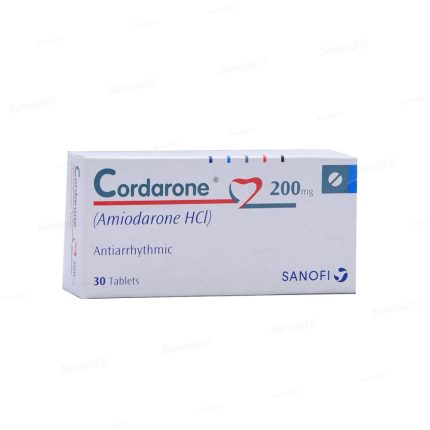
Cordarone 200mg Tab ( Amiodarone ) Sanofi
This medication is used to treat certain types of serious (possibly fatal) irregular heartbeat (such as recurrent ventricular fibrillation/tachycardia). It is used to restore normal heart rhythm and maintain a regular, steady heartbeat. Amiodarone is known as an anti-arrhythmic drug. It works by blocking certain electrical signals in the heart that can cause an irregular heartbeat.
How to use Cordarone 200 Mg Tablet
Read the Medication Guide provided by your pharmacist before you start using amiodarone and each time you get a refill. If you have any questions, consult your doctor or pharmacist.
Take this medication by mouth as directed by your doctor, usually once or twice daily. You may take this medication with or without food, but it is important to choose one way and take this medication the same way with every dose.
Avoid eating grapefruit or drinking grapefruit juice while using this medication unless your doctor or pharmacist says you may do so safely. Grapefruit can increase the chance of side effects with this medicine. Ask your doctor or pharmacist for more details.
The dosage is based on your medical condition and response to treatment. Your doctor may direct you to start this medication at a higher dose and gradually decrease your dose. Follow your doctor's instructions carefully. Do not stop taking this medication or change the dose without first consulting your doctor.

Cremaffin Syrup – Abbott

Daflon 500mg Tab. 20/s, ( Diosmin , Hesperidin )
Used For
PilesHow it works
It works by blocking the action of chemical messengers (prostaglandins, thromboxane A2) that cause inflammation (swelling) of the veins. This improves blood flow in the veins and restores normal function in the veins.Usage And Safety
Dosage
Venous insufficiency: 2 tablets daily, 1 tablet at midday and 1 tablet in the evening, at mealtimes. Haemorrhoidal attack: the dose is 6 tablets per day for 4 days and then 4 tablets per day for the next 3 days, at mealtimes. OR As directed by your physician.Side Effects
Common: diarrhoea, dyspepsia, nausea, vomiting. Uncommon: colitis. Rare: dizziness, headaches, discomfort, rash, itching, urticaria. Frequency not known: abdominal pain, isolated face, lip, eyelid oedema. Exceptionally Quincke's oedema .Drug Interactions
Tell your doctor or pharmacist if you are taking or have recently taken any other medicines, including medicines obtained without a prescription.Indication
This medicine is a venotonic (it increases venous tone) and a vasculoprotector (it increases resistance in small blood vessels). It is recommended for treating venous circulation disorders (heavy legs, pain, restless legs) and functional signs related to haemorrhoidal attack.When not to Use
Do not take : If you are allergic (hypersensitive) to micronised purified flavonoid fraction or any of the other ingredients.Precautions
Walking, and wearing appropriate stockings when applicable, promote blood circulation.
Warnings
- If the haemorrhoid disorder persists for more than 15 days, it is essential that you consult your doctor.
- This treatment is at its most effective when combined with a healthy lifestyle.
- Avoid exposure to the sun, heat, standing for too long, excess weight .
Pregnancy category
Always consult your physician before using any medicine.
Storage (YES/NO)
Store this medicine at room temperature, away from direct light and heat.
Daonil Tabs (Glibenclamide) – Sanofi