
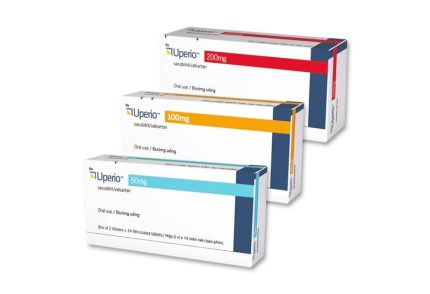
Uperio Tablet ( Sacubitril , Valsartan ) Novartis
Used For Heart Failure Sacubitril + valsartan inhibits neprilysin (neutral endopeptidase; NEP) , the active metabolite of the prodrug sacubitril and blocks the angiotensin II type-1 (AT1) receptor via valsartan. The cardiovascular and renal effects of sacubitril + valsartan in heart failure patients are attributed to the increased levels of peptides that are degraded by neprilysin, such as natriuretic peptides (NPs) and the simultaneous inhibition of the effects of angiotensin II by valsartan. NPs exert their effects by activating membrane bound guanylyl cyclase coupled receptors, resulting in increased concentrations of the second messenger cyclic guanosine monophosphate (cGMP), which could result in vasodilation, natriuresis and diuresis, increased glomerular filtration rate and renal blood flow, inhibition of renin and aldosterone release, reduction of sympathetic activity and anti hypertrophic and antifibrotic effects. Valsartan inhibits the effects of angiotensin II by selectively blocking the AT1 receptor and also inhibits angiotensin II-dependent aldosterone release. This prevents sustained activation of the renin-angiotensin-aldosterone system that would result in vasoconstriction, renal sodium and fluid retention, activation of cellular growth and proliferation and subsequent maladaptive cardiovascular remodeling.
USAGE AND SAFETY
Dosage
Sacubitril , Valsartan
Side Effects
Very Common : Hyperkalemia, hypotension and renal impairment.Common : Anemia, hypokalemia, hypoglycemia, dizziness, headache, syncope, vertigo, orthostatic hypotension, cough, diarrhea, nausea, gastritis, renal failure (renal failure, acute renal failure), fatigue and asthenia.Uncommon : Hypersensitivity, dizziness postural, pruritus, rash and angioedema.
Drug Interactions
Angiotensin Receptor Blockers , OATP1B1 and OATP1B3 substrates, e.g. statins , PDE5 inhibitors including sildenafil , potassium-sparing diuretics (triamterene, amiloride), mineralocorticoid antagonists (e.g. spironolactone, eplerenone), potassium supplements, salt substitutes containing potassium or other agents (such as heparin) , Non-steroidal anti-inflammatory agents (NSAIDs), including selective cyclooxygenase-2 (COX-2) inhibitors , Lithium , OATP1B1, OATP1B3, OAT3 (e.g. rifampicin, ciclosporin), OAT1 (e.g. tenofovir, cidofovir) or MRP2 (e.g. ritonavir) , Metformin HCl.
Indication
Sacubitril + Valsartan is indicated in adult patients for treatment of symptomatic chronic heart failure with reduced ejection fraction. Sacubitril + Valsartan is usually administered in conjunction with other heart failure therapies, in place of an ACE inhibitor or other ARB.
When not to Use
Sacubitril + Valsartan is contraindicated in patients with:• Hypersensitivity to the active substance, sacubitril, valsartan or to any of the excipient of the product.• Concomitant use with ACE inhibitors. Sacubitril + Valsartan must not be administered until 36 hours after discontinuing ACE inhibitor therapy.• Known history of angioedema related to previous ACE inhibitor or ARB therapy.• Hereditary or idiopathic angioedema.• Concomitant use with aliskiren-containing medicinal products in patients with diabetes mellitus or in patients with renal impairment (eGFR <60 ml/min/1.73 m2 ).• Severe hepatic impairment, biliary cirrhosis and cholestasis.• Second and third trimester of pregnancy
PRECAUTIONS
Precaution
Sacubitril + valsartan may cause angioedema. If angioedema occurs, discontinue sacubitril + valsartan immediately, provide appropriate therapy and monitor for airway compromise. Sacubitril + valsartan should not be used in patients with a known history of angioedema related to previous ACE inhibitor or ARB therapy.
WARNINGS
Warning 1
Sacubitril + valsartan lowers blood pressure and may cause symptomatic hypotension. Patients with an activated renin-angiotensin system, such as volume- and/or salt-depleted patients (e.g., those being treated with high doses of diuretics), are at greater risk. Correct volume or salt depletion prior to administration of sacubitril + valsartan or start at a lower dose. If hypotension occurs, consider dose adjustment of diuretics, concomitant antihypertensive drugs and treatment of other causes of hypotension (e.g., hypovolemia). If hypotension persists despite such measures, reduce the dosage or temporarily discontinue sacubitril + valsartan.
Warning 2
Through its actions on the RAAS, hyperkalemia may occur with sacubitril + valsartan. Monitor serum potassium periodically and treat appropriately, especially in patients with risk factors for hyperkalemia such as severe renal impairment, diabetes, hypoaldosteronism or a high potassium diet. Dosage reduction or interruption of sacubitril + valsartan may be required.
Warning 3
Caution should be exercised when initiating sacubitril + valsartan in patients with NYHA functional classification IV due to limited clinical experience in this population.
ADDITIONAL INFORMATION
Pregnancy category
Always consult your physician before using any medicine.
Storage (YES/NO)
Store this medicine at room temperature, away from direct light and heat.
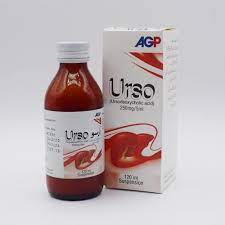
Urso Suspension ( Ursodeoxycholic Acid ) AGP
ntroduction
How To Use
Please use it as prescribed by your health care provider. The dosage of this medicine is dependent on the age, condition, and its severity.
Expert Advice
What is the use of this medicine?
It is indicated in the treatment of primary biliary cirrhosis (a condition in the liver where bile builds up in an abnormal amount) and for the dissolution of radiolucent (not visible on the x-ray) gallstones in patients with a functioning gall bladder.
What are its side effects?
Most common side effects are nausea, dizziness, back pain, diarrhea, hair loss and cough. If you notice any allergic reaction, rash, itching consult your doctor immediately.
Is it safe for use during pregnancy and lactation?
It is found it can be used during pregnancy when needed and not known whether this drug passes into breast milk. Consult your doctor before.
How should it be administered?
It is given either as a single night time dose or in divided doses. This medication is always taken after meals.
How to store it?
It is supposed to be stored in a cool, dry, and UV light-free environment with the room temperature.
What are its precautions?
Soft and dry stools might result as a side effect, therefore, drink enough liquids to replace your fluid and salt balance. If you have certain medical conditions like gall bladder/bile duct problems consult your doctor before.
What are the contraindications?
Radio opaque stones, non-functioning gall bladder. Women if not on contraceptives, lactation.
Primary Uses
Non-alcoholic fatty liver
Indications
It is indicated in the treatment of primary biliary cirrhosis (a condition in the liver where bile builds up in an abnormal amount) and for the dissolution of radiolucent (not visible on the x-ray) gallstones in patients with a functioning gall bladder.
Side Effects
You may experience the following side effects:
Bladder pain
Cloudy or bloody urine
Skin rash
Severe nausea
Stomach pain
Warnings
Pregnancy
This medicine is safe to use during pregnancy. Consult your healthcare provider for further guidance.
Lactation
This medicine is safe to use during lactation. Consult your healthcare provider for further guidance.
Driving
No
Precautions
Avoid eating high cholesterol and oily fattening foods. It is recommended to consume low fat and healthy nutritious food alongside using this medicine such as fruits, almonds, avocados, etc. Inform your doctor about your past medical history before using this medicine, including any other medicines that you are using. Follow a light regular physical exercise routine. Limit the use of alcohol and tobacco.
Contraindications
CRadio opaque stones, non-functioning gall bladder. Women if not on contraceptives, lactation. Consult your doctor for further assistance.
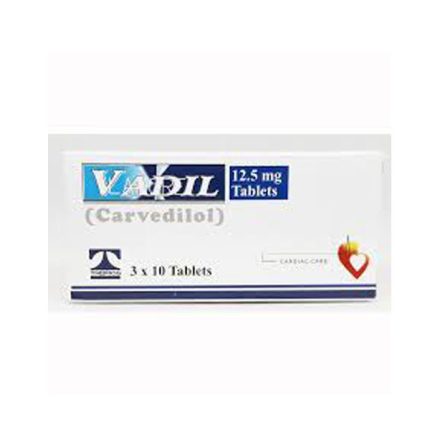
Vadil 12.5mg Tablet ( Carvedilol ) Tabros
Bronchitis, pneumonia, upper respiratory tract infection • Infections of the urinary tract • Low numbers of red blood cells • Increase in weight • Elevated cholesterol levels • Loss of control of blood sugar in people with diabetes • Depression, depressed mood • Visual disturbance • Reduced lacrimation, eye irritation • Slow heart rate • Oedema (swelling of the body or parts of the body), fluid overload, increased volume of blood in the body • Dizziness when standing up quickly • Problems with blood circulation (signs include cold hands and feet), hardening of the arteries (atherosclerosis) worsening of symptoms in patients with Raynaud’s disease (fingers or toes turn first bluish, then whitish, and then reddish together with pain) or claudication (pain in the legs which worsens when walking) • Asthma and breathing problems • Fluid accumulation in the lungs • Diarrhoea • Malaise, vomiting, stomach pains, indigestion • Pains (e.g. in the arms and legs) • Acute renal insufficiency and disturbances in renal function in patients with hardening of the arteries and/or impaired renal function • Difficulty in passing urine
Drug Interactions
Diltiazem, verapamil or amiodarone , isosorbide mononitrate or glyceryl trinitrate , Digoxin , doxazosin, reserpine, amlodipine or indoramin , fluoxetine, tricyclic antidepressants, barbiturates, phenothiazines, haloperidol or monoamine oxide inhibitors (MAOIs) , ciclosporin , clonidine or ergotamine , ibuprofen or diclofenac , estrogens , prednisolone , rifampicin or erythromycin , cimetidine , ketoconazole , ephedrine or pseudoephedrine .
Indication
It is used to treat angina (chest pain) and mild, moderate or severe heart failure. It is also used to treat high blood pressure (hypertension).
When not to Use
Do not take : If you are allergic to carvedilol or any of the other ingredients of this medicine ; If you have been told you have very severe heart failure and you have fluid retention (swelling) which is being treated with injections of medicines into your veins (intravenously); If you have liver disease; If you have impaired conduction of the heart (or heart block) .
PRECAUTIONS
Precaution
Patients with a chronic obstructive pulmonary disease with a tendency towards bronchospasms who are not treated with oral or inhalation medicine should only be given carvedilol if the expected improvement outweighs the possible risk. Patients should be monitored closely in the initial phase, and titration of carvedilol and carvedilol dose should be reduced in case of bronchospasms.
WARNINGS
Warning 1
Carvedilol may cause bradycardia. If there is a decrease in pulse rate to less than 55 beats per minute, and symptoms associated with bradycardia occur, the carvedilol dose should be reduced.
Warning 2
When carvedilol is used concomitantly with calcium channel blocking agents such as verapamil and diltiazem or with other antiarrhythmics, specifically amiodarone, the patient's blood pressure and ECG have to be monitored. Intravenous co-administration should be avoided .
Warning 3
Care should be taken in administrating carvedilol to patients with a history of serious hypersensitivity reactions and in those undergoing desensitisation therapy as beta-blockers may increase both the sensitivity towards allergens and the seriousness of anaphylactic reactions. Cautions should be exercised when prescribing beta-blockers to patients with psoriasis since skin reactions may be aggravated.
ADDITIONAL INFORMATION
Pregnancy category
Always consult your physician before using any medicine.
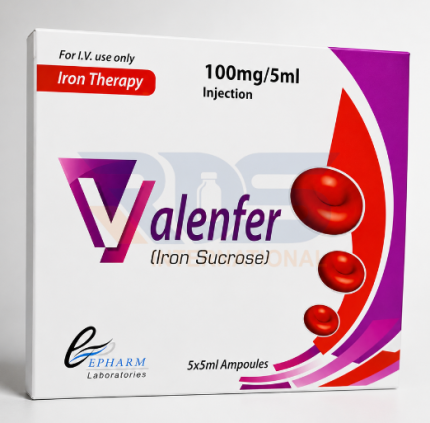
Valenfer Injection 100mg/5ml (Iron Sucrose) 5×5ml Ampoules – Epharm Laboratories
Valenfer Injection (Iron Sucrose) – Uses & Indications
Valenfer Injection is an intravenous (IV) iron replacement therapy containing Iron Sucrose, indicated for the treatment of iron deficiency anemia (IDA) in patients who require rapid iron replenishment or cannot achieve adequate results with oral iron supplements. It helps restore iron levels, improve hemoglobin production, and support the formation of healthy red blood cells.
Valenfer Injection is commonly used for:
Treatment of Iron Deficiency Anemia (IDA): Effectively treats anemia caused by insufficient iron levels, particularly in patients who are unable to tolerate or respond adequately to oral iron therapy.
Chronic Kidney Disease (CKD): Widely used in patients with chronic kidney disease, including those undergoing hemodialysis or peritoneal dialysis, to manage iron deficiency associated with erythropoietin therapy.
Rapid Replenishment of Iron Stores: Provides a faster correction of iron deficiency when immediate restoration of iron levels is clinically required.
Anemia Due to Blood Loss: Helps replace iron lost through acute or chronic blood loss, including heavy menstrual bleeding, gastrointestinal bleeding, or following surgery.
Poor Iron Absorption: Suitable for patients with gastrointestinal disorders or conditions that impair iron absorption, such as inflammatory bowel disease or after bariatric surgery.
Support for Red Blood Cell Production: Supplies the essential iron needed for hemoglobin synthesis, promoting healthy red blood cell formation and improving oxygen transport throughout the body
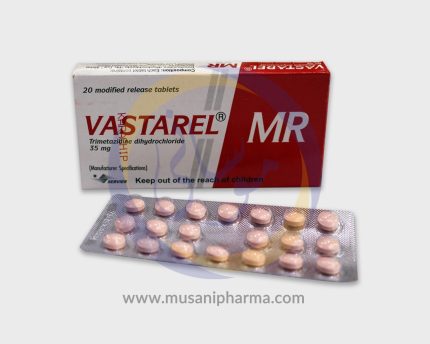
Vastarel MR Tablet (Trimetazidine) – Servier
Trimetazidine is a drug for angina pectoris sold under the brand name Vastarel MR. Trimetazidine is described as the first cytoprotective anti-ischemic agent developed and marketed by Laboratoires Servier. Trimetazidine is an anti-ischemic (anti-anginal) metabolic agent, which improves myocardial glucose utilization through inhibition of long-chain 3-ketoacyl CoA thiolase activity, which results in a reduction in fatty acid oxidation and a stimulation of glucose oxidation. High fatty acid oxidation rates are detrimental during ischemia due to an inhibition of glucose oxidation leading to uncoupling of glycolysis and an increase in proton production, which has the potential to accelerate sodium and calcium overload in the heart, which leads to an exacerbation of ischemic injury and decreased cardiac efficiency during reperfusion.
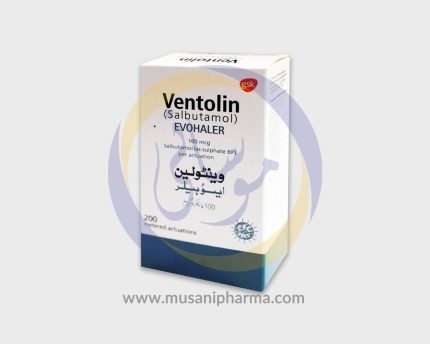
Ventolin Inhaler (Salbutamol) – gsk
Albuterol (also known as salbutamol) is used to treat wheezing and shortness of breath caused by breathing problems (such as asthma, chronic obstructive pulmonary disease). Albuterol belongs to a class of drugs known as bronchodilators. It works by relaxing the muscles around the airways so that they open up and you can breathe more easily. Controlling symptoms of breathing problems can decrease time lost from work or school.
This medication is taken by mouth and does not work right away. It should not be used for sudden attacks of breathing trouble. Your doctor may prescribe a quick-relief inhaler for sudden shortness of breath/asthma attacks while you are on this medication. Always have the quick-relief inhaler with you. Consult your doctor or pharmacist for more details.
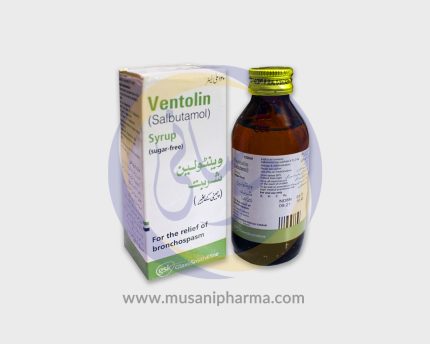
Ventolin Syrup (Salbutamol) – gsk
Ventolin Syrup HFA is a prescription medicine used to treat the symptoms of acute or severe, or exercise-induced asthma (broncospasm). Ventolin Syrup HFA may be used alone or with other medications.
Ventolin Syrup HFA belongs to a class of drugs called Beta2 Agonists.
It is not known if Ventolin Syrup HFA is safe and effective in children younger than 4 years of age.
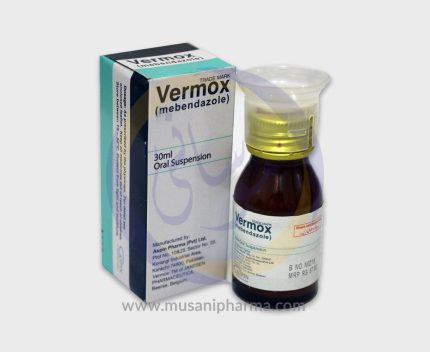
Vermox Syrup (Mebendazole) – Janssen
Vermox (mebendazole) is an anthelmintic or anti-worm medication. It prevents newly hatched insect larvae (worms) from growing or multiplying in your body.
Vermox is used to treat infections caused by worms such as whipworm, pinworm, roundworm, and hookworm. It is also used to treat infections caused by more than one of these worms at the same time.
VERMOX™ is indicated for the treatment of patients two years of age and older with gastrointestinal infections caused by Ancylostoma duodenale (hookworm), Ascaris lumbricoides (roundworm), Enterobius vermicularis (pinworm), Necator americanus (hookworm), and Trichuris trichiura (whipworm).
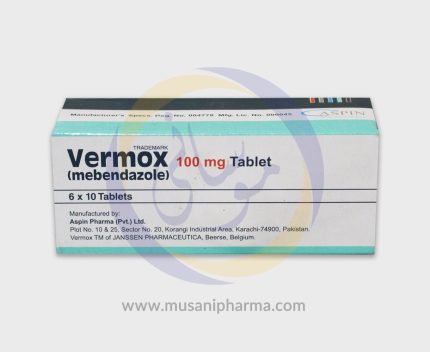
Vermox Tablet (Mebendazole) – Janssen
Vermox (mebendazole) is an anthelmintic or anti-worm medication. It prevents newly hatched insect larvae (worms) from growing or multiplying in your body.
Vermox is used to treat infections caused by worms such as whipworm, pinworm, roundworm, and hookworm. It is also used to treat infections caused by more than one of these worms at the same time.
VERMOX™ is indicated for the treatment of patients two years of age and older with gastrointestinal infections caused by Ancylostoma duodenale (hookworm), Ascaris lumbricoides (roundworm), Enterobius vermicularis (pinworm), Necator americanus (hookworm), and Trichuris trichiura (whipworm).

Vicks Vaporub – P&G
Vicks VapoRub is a mentholated topical ointment, part of the Vicks brand of over-the-counter medications owned by the American consumer goods company Procter & Gamble. VapoRub is intended for use on the chest, back and throat for cough suppression or on muscles and joints for minor aches and pains. It has also been used to treat mosquito bites. Users of VapoRub often apply it immediately before sleep.
First sold in 1905, VapoRub was originally manufactured by the family-owned company Richardson-Vicks, Inc., based in Greensboro, North Carolina. Richardson-Vicks was sold to Procter & Gamble in 1985 and is now known as Vicks. VapoRub is also manufactured and packaged in Pakistan. In German-speaking countries (apart from Switzerland), it is sold under the name Wick VapoRub.[1] VapoRub continues to be Vicks's flagship product internationally, and the Vicks brand name is often used synonymously with the VapoRub product.
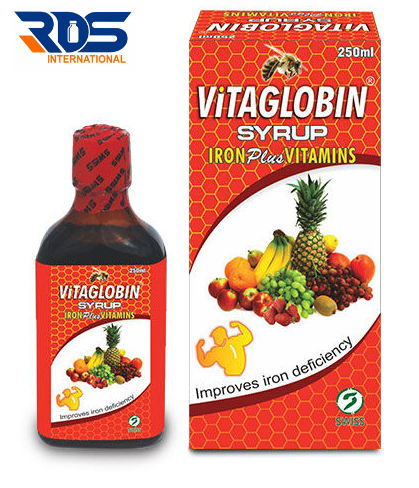
Vitaglobin Syrup – Swiss Pharmaceuticals (PVT) Ltd.
## Iron Supplement – Effective Support for Iron Deficiency & General Health
This iron supplement is specially formulated for the **prevention and treatment of iron deficiency anaemia** and helps restore healthy iron levels in the body. It provides essential nutritional support in conditions where increased iron requirements occur, such as **pregnancy, lactation, childhood growth and development**, and periods of physical weakness or nutritional deficiency.
The formulation helps improve symptoms associated with iron deficiency, including **general debility, fatigue, weakness, loss of appetite (anorexia), and nervous exhaustion**. It supports the formation of healthy red blood cells, improves oxygen supply throughout the body, and contributes to maintaining energy levels and overall vitality.
It is also beneficial as a supportive therapy in cases of **pernicious anaemia** and for individuals with reduced resistance to infections, helping the body maintain normal immune function and overall health. Key Benefits:
* Helps prevent and treat **iron deficiency anaemia**
* Supports increased iron needs during **pregnancy and breastfeeding**
* Promotes healthy **growth and development in children**
* Helps reduce **fatigue, weakness, and general tiredness**
* Supports healthy red blood cell formation and oxygen transport
* Provides nutritional support during periods of weakness and low energy
* Helps maintain body resistance and overall wellness
Indications:
* Iron deficiency anaemia
* Pregnancy and lactation-associated iron deficiency
* Delayed growth and development in children
* General debility and weakness
* Fatigue and low energy
* Anorexia (loss of appetite)
* Nervous exhaustion
* Supportive care in pernicious anaemia
* Decreased resistance to infections
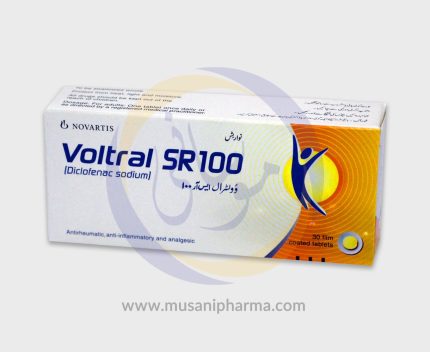
Voltral SR 100 (Diclofenac Sodium) – Novartis
This medication is typically used only once a day. However, your doctor or pharmacist may have suggested a different schedule that is more appropriate for you. Depending on the treated condition, it may be used regularly or only as needed. Follow the instructions provided by your doctor or pharmacist.
Important: Follow the instructions on the label. Do not use more of this product, or more often, than prescribed. This medication should be swallowed whole. It should not be split, crushed or chewed.
If you forget a dose, take it as soon as you remember -- unless it is almost time for your next dose. In that case, skip the missed dose. Do not double the next dose to catch up. This medication may irritate the stomach, and should be taken with food. It is best to avoid coffee, spicy food or alcohol.
Diclofenac is used to relieve pain, swelling (inflammation), and joint stiffness caused by arthritis. Reducing these symptoms helps you do more of your normal daily activities. This medication is known as a nonsteroidal anti-inflammatory drug (NSAID).