

Kenalog Ointment (Triamcinolone Acetonide) – gsk
Kenalog is used to treat a variety of skin conditions (e.g., eczema, dermatitis, allergies, rash). Triamcinolone reduces the swelling, itching, and redness that can occur in these types of conditions. This medication is a medium- to strong-potency corticosteroid. The potency depends on the strength and the form that you use. For details on the potency of your product, ask your pharmacist.
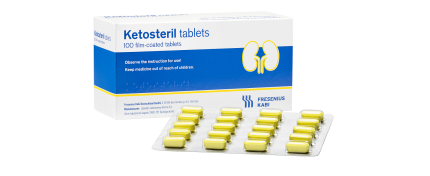
Ketosteril Tablet ( Ketoanalogues + Essential Amino Acids ) fresenius kabi
Ketosteril is used to prevent and preserve patients with chronic renal failure with a glomerular filtration rate of 5-15 ml/min. The drug is used in combination with a restricted protein diet (protein intake 40g per day in adults or less)
The drug helps to relieve symptoms caused by uremia, reduce proteinuria, prevent protein breakdown of the body, correcting disorders of calcium-phosphate metabolism, hyperparathyroidism and renal osteoporosis, helping to improve carbohydrate metabolism disorders, lipid metabolism, and endocrine disorders.
Ketosteril allows the body to take in essential amino acids while minimizing nitrogen-nitrogen intake. Once absorbed into the body, the keto- and hydroxy analogues will be converted to essential amino acids by taking nitrogen from the non-essential amino acids, thereby reducing urea formation by using amine group.
Therefore, the accumulation of uraemia toxins is reduced. Keto and hydroxy acids do not induce ultrafiltration in the remaining nephrons. Ketosteril contains a supplement that promotes a positive effect on renal hyperphosphatemia and secondary hyperparathyroidism.
Furthermore, renal osteodystrophy may be improved with the use of Ketosteril. The use of Ketosteril in combination with a very low protein diet reduces nitrogen intake to prevent serious consequences of protein supplementation in patients with renal failure.
How to use Ketosteril:
Use Ketosteril as prescribed by your doctor. Do not arbitrarily increase, decrease the dose or prolong the time of using Ketosteril compared to the indicated. Take Ketosteril tablets with food, do not chew the medicine. During the use of Ketosteril drug, it is necessary to monitor the amount of protein taken into the body. Before dialysis, protein intake should not exceed 40g/day for adults; for children from 3-10 years old: 1.4-0.8g/kg; for children 10 years and older: 1-0.6g/kg.. You should consult your doctor during dialysis.

Kleen Enema ( Sodium Biphosphate , Sodium Phosphate ) Nabiqasim Industries
This medication is indicated in patients with constipation and bowel clearence.
Pregnancy:
During pregnancy this medication should only be used when clearly needed. Consult your doctor before using this medication.
Lactation:
No definite data regarding lactating females is available, therefore; be cautious. Consult your doctor before using this medication.
Contraindications:
This medication is contraindicated in patients with acute GI conditions, GI obstruction, abdominal pain, nausea, vomiting, renal (kidney) failure, congestive heart failure.
Precautions:
Elderly and weak patients. restricted sodium intake, renal (kidney) impairment, heart disease and colostomy (surgical procedure).
Adverse effects:
Patients administered with this medication may experience mild abdominal discomfort or gas may occur.
Primary Uses
Constipation
Indications
This medication is indicated in patients with constipation and bowel clearence.
Side Effects
Patients administered with this medication may experience mild abdominal discomfort or gas may occur.
Warnings
Pregnancy
During pregnancy this medication should only be used when clearly needed. Consult your doctor before using this medication.
Lactation
No definite data regarding lactating females is available, therefore; be cautious. Consult your doctor before using this medication.
Driving
Please avoid driving when taking this medicine as it may affect your ability to drive.
Precautions
Elderly and weak patients. restricted sodium intake, renal (kidney) impairment, heart disease and colostomy (surgical procedure).
Contraindications
This medication is contraindicated in patients with acute GI conditions, GI obstruction, abdominal pain, nausea, vomiting, renal (kidney) failure, congestive heart failure.
FAQS
Uses:
This medication is used for treating severe constipation. It helps soften stools and increases the number of bowel movements, making passing stools easier. It can also be used to clean the intestines before and surgery or medical procedure. This medicine is not recommended for children less than two years of age.
Storage:
Please read the leaflet provided with the medicine for storage guidance. Keep medicine away from excessive light, moisture, and children. Please do not flush medicines down the toilet.
Side Effects:
You may experience the following: • Gas • Abdominal discomfort
Precautions:
Following are the precautions for using this medicine: • You may develop dependency therefore use Enema Liquid only when absolutely necessary • Drink plenty of water to prevent dehydration • Children may be more sensitive to the side effects
Will I see instant results?
It may take up to 30 minutes for this medicine to work effectively.
Effects on pregnancy and lactation:
This medicine should only be used during pregnancy if no safer alternate is available. The effects of this medicine on lactating females are unknown. Consult your health care provider before use of this medicine.
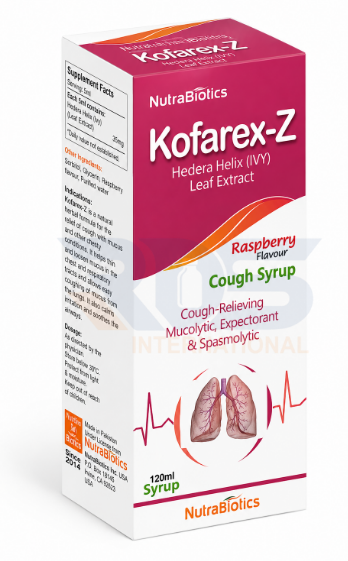
Kofarex Z Syrup (Hedera hilex) – Nutrabiotics
Kofarex-Z Cough Syrup 120ml Description
Kofarex-Z Cough Syrup is a herbal cough remedy formulated with Hedera Helix (Ivy Leaf Extract) to provide effective relief from cough and chest congestion. Its natural formula helps loosen and clear mucus from the airways, making breathing easier while soothing throat irritation. Suitable for both children and adults (as directed by a healthcare professional), Kofarex-Z supports respiratory comfort by relieving productive coughs and promoting easier expectoration. With its pleasant raspberry flavour, it offers a convenient and effective solution for everyday cough relief.

KRAZOR PREWORKOUT (FLAVOR= GREEN APPLE) – Hyplift Nutrition
Built for beginners and everyday athletes, the enhanced KRAZOR Pre-Workout delivers a smoother taste, balanced performance, and sustained clean energy—without the crash.
Powered by Green Coffee and Red Ginseng, KRAZOR helps boost focus, increase energy, and support peak performance throughout your workout.
Same purpose. Better performance.
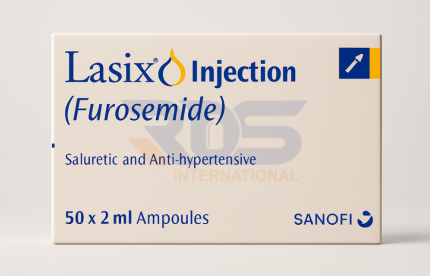
Lasix Injection 20mg 50 x 2ml ampoules (Furosemide) – Sanofi
Heart Failure
How it works
It has been demonstrated that Furosemide inhibits primarily the absorption of sodium and chloride not only in the proximal and distal tubules but also in the loop of Henle. The high degree of efficacy is largely due to the unique site of action. The action on the distal tubule is independent of any inhibitory effect on carbonic anhydrase and aldosterone.
Usage And Safety
Dosage
Oedema : Adults : Treatment is usually begun with 20-80mg as single dose daily or an alternate days . Children : Usual : 2mg/kg as single dose , may increase by 1-2mg/kg after 6-8 hr . Max : 6mg/kg. Heart Failure : Adults : Usual : 20-80mg as a single dose , may repeat or increase by 20-40mg after 6-8hr . Max : 600mg/dday . Hypertension : Adults : Initial : 40mg twice daily . Maintenance : Adjust according to response . OR As directed by your physician .
Side Effects
Gastrointestinal System Reaction : Hepatic encephalopathy in patients with oral and gastric irritation hepatocellular insufficiency , cramping , pancreatitis , diarrhea , jaundice (intrahepatic cholestatic jaundice) , constipation , increased liver enzymes , nausea , anorexia , vomiting ; Systemic Hypersensitivity Reactions : Severe anaphylactic or anaphylactoid , interstitial nephritis reactions (e.g. with shock) , necrotizing angiitis , systemic vasculitis ; Central Nervous System Reactions , tinnitus and hearing loss , dizziness , paresthesias , headache , vertigo , blurred vision , xanthopsia .
Drug Interactions
Aminoglycoside antibiotics , ethacrynic acid , cisplatin , tubocurarine , Lithium , angiotensin converting enzyme inhibitors or angiotensin II receptor blockers , norepinephrine , sucralfate , Phenytoin , Methotrexate , cephalosporin , cyclosporine .
Indication
It is use in : ? Fluid retention associated with chronic congestive cardiac failure (if diuretic treatment is required). ? Fluid retention associated with acute congestive cardiac failure. ? Fluid retention associated with chronic renal failure. ? Maintenance of fluid excretion in acute renal failure, including that due to pregnancy or burns. ? Fluid retention associated with nephrotic syndrome (if diuretic treatment is required). ? Fluid retention associated with liver disease (if necessary to supplement treatment with aldosterone antagonists). ? Hypertension. ? Hypertensive crisis (as a supportive measure). ? Support of forced diuresis.
When not to Use
It must not be used: ? In patients with hypersensitivity to furosemide or any of the excipients . Patients allergic to sulfonamides (e.g. sulfonamide antibiotics or sulfonylureas) may show crosssensitivity to furosemide . ? In patients with hypovolaemia or dehydration. ? In patients with anuric renal failure not responding to frusemide. ? In patients with severe hypokalaemia ? In patients with severe hyponatraemia .
Precautions
Precaution
In patients with partial obstruction of urinary outflow (e.g in patients with bladder – emptying disorders, prostatic hyperplasia, narrowing of the urethra) increased production of urine may provoke or aggravate complaints. Thus, these patients require careful monitoring - especially during the initial stages of treatment.
Warnings
Regular monitoring of serum sodium, potassium and creatinine is generally recommended during furosemide therapy; particularly close monitoring is required in patients at high risk of developing electrolyte imbalances or in case of significant additional fluid loss (e.g. due to vomiting, diarrhoea or intense sweating). Hypovolaemia or dehydration as well as any significant electrolyte and acid-base disturbances must be corrected. This may require temporary discontinuation of furosemide .
Patients allergic to sulfonamides may also be allergic to furosemide. The possibility exists of exacerbation or activation of systemic lupus erythematosus.
Additional Information
Pregnancy category
Always consult your physician before using any medicine.
Storage (YES/NO)
Store this medicine at room temperature, away from direct light and heat
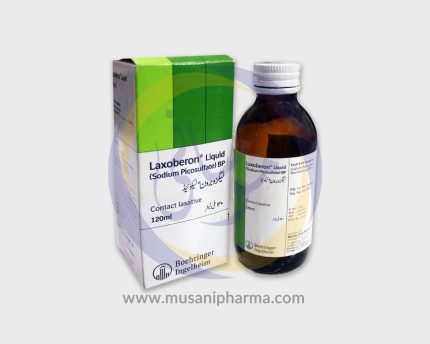
Laxoberon Syrup – Boehringer

Lemin 500mg Tablet (Levofloxacin) – Amros Pharma
# **Lemin Tablets (Levofloxacin)**
## **How It Works**
Lemin contains **Levofloxacin**, a broad-spectrum fluoroquinolone antibiotic that works by inhibiting bacterial DNA replication, ultimately stopping the growth of bacteria and eliminating the infection.
**Note:** Lemin is effective **only against bacterial infections** and should not be used to treat viral illnesses such as the common cold or influenza.
---
## **Indications**
Lemin is indicated for the treatment of susceptible bacterial infections, including respiratory tract, urinary tract, skin, and other infections, as prescribed by your physician.
---
## **Usage & Safety**
### **Prescription Status**
Lemin is a **prescription-only medicine** and should be used strictly under the supervision of a qualified healthcare professional.
### **Dosage & Administration**
* Take **once daily**, or exactly as prescribed by your physician.
* Swallow the tablet whole with a **full glass of water**.
* It may be taken **with or without food**.
* Take the medicine at the **same time each day** for the best therapeutic effect.
### **Drug Interactions**
Avoid taking Lemin **within 2 hours before or after** products containing **aluminum, magnesium, calcium, iron, or zinc**, including antacids, multivitamins, and mineral supplements, as these may reduce the absorption and effectiveness of Levofloxacin.
### **Complete the Full Course**
Continue taking the medication for the **entire prescribed duration**, even if you begin to feel better. Stopping treatment too early may allow the infection to return and contribute to **antibiotic resistance**.
---
## **Possible Side Effects**
Lemin is generally well tolerated; however, some patients may experience:
* Nausea
* Diarrhea or constipation
* Headache
* Dizziness
* Difficulty sleeping (insomnia)
These side effects are usually mild and temporary. If they persist or become severe, consult your physician.
---
## **Warnings & Precautions**
* Use Lemin only for **confirmed or strongly suspected bacterial infections**.
* Discontinue the medication and seek immediate medical attention if you experience signs of an allergic reaction, severe diarrhea, tendon pain or swelling, numbness, tingling, or irregular heartbeat.
* Inform your physician if you have a history of **kidney disease, epilepsy, tendon disorders, or heart rhythm abnormalities** before starting treatment.
* Avoid unnecessary exposure to direct sunlight or UV light during therapy, as Levofloxacin may increase **photosensitivity**.
---
## **Storage Instructions**
Store below **30°C** in a cool, dry place, protected from direct sunlight and moisture. Keep out of the reach of children.
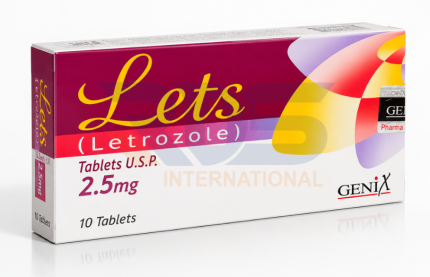
Lets Tablets 2.5mg (Letrozole) -genix pharma
Used For
Letrozole 2.5mg Tablets are primarily used for the treatment of hormone receptor-positive breast cancer in postmenopausal women. They may also be prescribed before surgery or after other hormone therapies as recommended by an oncologist.
How It Works
Letrozole belongs to the class of medicines known as aromatase inhibitors. It works by blocking the aromatase enzyme responsible for producing estrogen in the body. Lower estrogen levels help slow or stop the growth of hormone-sensitive breast cancer cells while having minimal effects on other hormone-producing glands.
Usage & Safety
Dosage
The usual adult dose is one 2.5mg tablet once daily, with or without food. Take the medicine at the same time each day for the best results. Always use it exactly as prescribed by your doctor.
Possible Side Effects
Some people may experience:
Hot flushes
Headache
Dizziness
Fatigue
Joint or muscle pain
Nausea
Constipation or diarrhea
Increased sweating
Weight changes
Hair thinning
High cholesterol
Osteoporosis or reduced bone density
Swelling of the hands or feet
Seek immediate medical attention if you develop chest pain, difficulty breathing, severe allergic reactions, blood clots, or signs of liver problems.
Drug Interactions
Tell your healthcare provider if you are taking:
Tamoxifen
Warfarin
Cimetidine
Other hormonal therapies
Prescription, non-prescription, or herbal medicines
Indications
Letrozole is commonly prescribed for:
Early-stage hormone receptor-positive breast cancer
Advanced or metastatic breast cancer
Adjuvant treatment after surgery
Extended therapy following Tamoxifen treatment
Neoadjuvant therapy before surgery in selected patients
When Not to Use
Do not use Letrozole if:
You are allergic to Letrozole or any of its ingredients.
You are pregnant or breastfeeding.
You have not yet reached menopause unless specifically advised by your doctor.
Precautions
Inform your doctor before using Letrozole if you have:
Osteoporosis or a history of bone fractures
Liver disease
Kidney impairment
High cholesterol
Heart disease
Regular monitoring of bone health and cholesterol levels may be required during treatment.
Warning
Long-term use may reduce bone mineral density and increase the risk of osteoporosis or fractures. Your doctor may recommend regular bone density tests.
Blood cholesterol levels may increase during treatment. Periodic lipid profile monitoring is recommended.
Patients with severe liver impairment may require dose adjustments and close medical supervision.
Additional Information
Pregnancy
Letrozole should not be used during pregnancy or while breastfeeding. Always consult your healthcare provider before taking this medicine.
Storage
Store below 30°C in a cool, dry place away from direct sunlight, moisture, and heat. Keep out of the reach of children.

LINCOBIOTIC 600MG INJ (Lincomysin) – Epharma
Lincobiotic Injection 600mg/2ml (Lincomycin) –
Lincobiotic Injection 600mg/2ml contains Lincomycin, a lincosamide class antibiotic used for the treatment of serious bacterial infections caused by susceptible bacteria. It works by inhibiting bacterial protein synthesis, thereby stopping bacterial growth and multiplication. Lincomycin binds to the 50S subunit of bacterial ribosomes, which prevents the formation of essential proteins required for bacterial survival.
Composition
Each 2ml ampoule contains:
Lincomycin Hydrochloride equivalent to Lincomycin 600mg
Dosage Form: Injection
Route of Administration: IM / IV (Intramuscular / Intravenous)
Uses & Indications
Lincobiotic Injection is used for the treatment of moderate to severe bacterial infections caused by susceptible organisms, particularly Gram-positive bacteria. It may be prescribed in infections where alternative antibiotics are not suitable or in patients with sensitivity to certain antibiotics.
It is commonly used in conditions such as:
Respiratory tract infections
Skin and soft tissue infections
Bone and joint infections
Ear, nose and throat infections
Dental infections
Certain anaerobic bacterial infections
Serious infections caused by susceptible Staphylococcus and Streptococcus species
How It Works
Lincomycin works by targeting bacterial protein production. It attaches to the bacterial ribosome and blocks protein synthesis, preventing bacteria from growing and spreading. This action helps the body's immune system eliminate the infection.
Key Benefits
Effective lincosamide antibiotic therapy
Provides antibacterial activity against susceptible Gram-positive organisms
Suitable for IM and IV administration
Useful in serious bacterial infections requiring injectable antibiotic treatment
Helps control bacterial growth and infection progression
Dosage & Administration
The dose and duration of treatment depend on the type and severity of infection, patient's age, weight, kidney/liver condition, and medical history.
Adults:
Dosage is determined by the healthcare professional based on infection severity.
Administration: Should only be administered by a qualified healthcare provider through intramuscular or intravenous routes.
Possible Side Effects
Some patients may experience:
Pain, redness, or irritation at injection site
Nausea or vomiting
Diarrhea
Abdominal discomfort
Skin rash or allergic reactions
Dizziness or headache
Severe or persistent diarrhea during treatment should be reported immediately, as antibiotic-associated colitis can occur with lincomycin therapy.
Precautions
Use only under the supervision of a doctor.
Inform your healthcare provider about any history of antibiotic allergy.
Complete the full prescribed course even if symptoms improve.
Avoid unnecessary antibiotic use to reduce the risk of antibiotic resistance.
Extra caution may be required in patients with liver disease or gastrointestinal disorders.
Storage
Store according to the manufacturer's instructions. Protect from excessive heat, moisture, and direct sunlight.

Lumigan Eye Drop ( Bimatoprost ) Allergan
Bimatoprost is used to treat high pressure inside the eye due to glaucoma (open-angle type) or other eye diseases (such as ocular hypertension). Lowering high pressure inside the eye can help prevent blindness. This medication works by regulating the flow of fluid within the eye to maintain a normal pressure.
How to use Lumigan Drops
Read the Patient Information Leaflet if available from your pharmacist before you start using bimatoprost and each time you get a refill. If you have any questions, ask your doctor or pharmacist.
Use this medication in the affected eye(s) as directed by your doctor, usually once a day in the evening. Do not use bimatoprost more often because it will not work as well.
To apply eye drops, wash your hands first. To avoid contamination, do not touch the dropper tip or let it touch your eye or any other surface.
If you are wearing contact lenses, remove them before using your eye drops. Wait at least 15 minutes after each dose before putting your lenses back in.
Tilt your head back, look upward, and pull down the lower eyelid to make a pouch. Hold the dropper directly over your eye and place one drop into the pouch. Look downward and gently close your eyes for 1 to 2 minutes. Place one finger at the corner of your eye (near the nose) and apply gentle pressure. This will prevent the medication from draining out. Try not to blink and do not rub your eye. Repeat these steps for your other eye if so directed.
Do not rinse the dropper. Replace the dropper cap after each use, and keep the cap tightly closed.
If you are using another kind of eye medication (such as drops or ointments), wait at least 5 minutes before applying other medications. Use eye drops before eye ointments to allow the eye drops to enter the eye.
Wait several minutes for your vision to clear before driving or operating machinery.
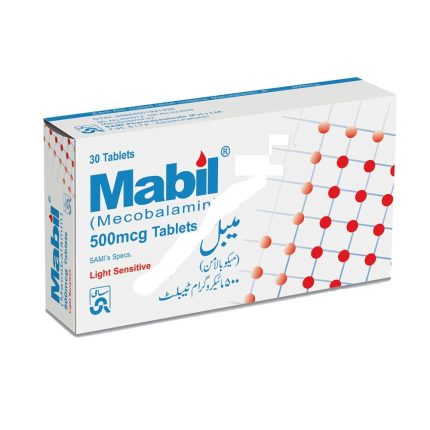
Mabil 500 Mcg ( Mecobalamin ) SAMI
Mabil tablet has mecobalamin as active ingredient. Mecobalamin is a form of vitamin b12 that is essential for the proper functioning of the nervous system and the production of red blood cells. It is a water-soluble vitamin that is involved in various metabolic processes in the body, including the synthesis of dna and the breakdown of fatty acids and amino acids. Mecobalamin is also important for maintaining normal cognitive function and for the development of the brain and nervous system in infants and young children.
Mecobalamin is commonly used as a dietary supplement to treat or prevent vitamin b12 deficiency, which can occur due to a variety of factors such as poor dietary intake, malabsorption, or certain medical conditions. Mecobalamin is also used as a treatment for various neurological conditions, such as peripheral neuropathy, diabetic neuropathy, bell's palsy.
Uses of mabil tablet
Some uses of mabil tablet are,
Treatment of vitamin b12 deficiency: mecobalamin tablets are often prescribed to treat or prevent vitamin b12 deficiency, which can occur due to poor dietary intake, malabsorption, or certain medical conditions. Vitamin b12 is important for the production of red blood cells and for the proper functioning of the nervous system.
Management of neurological conditions: mecobalamin tablets may also be used to manage various neurological conditions, such as peripheral neuropathy, diabetic neuropathy, and bell's palsy. These conditions can cause numbness, tingling, and pain in the limbs, as well as muscle weakness and difficulty walking.
Cognitive support: mecobalamin tablets may be used to support cognitive function and memory. Some studies suggest that vitamin b12 deficiency may be associated with cognitive decline and an increased risk of dementia.
Boosting energy levels: mecobalamin tablets may help to boost energy levels and reduce fatigue, especially in individuals with vitamin b12 deficiency.
Drug interactions
Some common drug interactions of mecobalamin include:
Chloramphenicol: chloramphenicol can decrease the absorption of vitamin b12 in the body, which may reduce the effectiveness of mecobalamin.
Metformin: long-term use of metformin may lead to vitamin b12 deficiency, which can be worsened by mecobalamin.
Proton pump inhibitors (ppis): ppis may reduce the absorption of vitamin b12, which can decrease the effectiveness of mecobalamin.
Colchicine: colchicine can interfere with the absorption of vitamin b12, which can decrease the effectiveness of mecobalamin.
Antibiotics: certain antibiotics, such as tetracyclines and aminoglycosides, can interfere with the absorption of vitamin b12, which can decrease the effectiveness of mecobalamin.
Disease interactions
Leber's disease: mecobalamin may worsen symptoms of leber's disease, a genetic condition that affects the optic nerve and can cause vision loss.
Polycythemia vera: mecobalamin may increase the production of red blood cells, which can worsen the symptoms of polycythemia vera, a condition in which the bone marrow produces too many red blood cells.
Hypokalemia: mecobalamin may cause hypokalemia, a condition in which the blood potassium level is too low. Hypokalemia can lead to muscle weakness, cramps, and heart rhythm abnormalities.
Renal failure: mecobalamin may accumulate in the body in patients with renal failure, which can increase the risk of side effects.
Gastrointestinal disorders: patients with gastrointestinal disorders such as inflammatory bowel disease, celiac disease, and atrophic gastritis may have difficulty absorbing vitamin b12, which can lead to deficiency and may require higher doses of mecobalamin.
Food interactions
There are no known food interactions with mecobalamin, which is a form of vitamin b12. Mecobalamin is commonly found in foods such as meat, fish, and dairy products, and can also be taken as a dietary supplement.
However, certain dietary factors can affect the absorption of vitamin b12 in the body. For example, a diet low in animal products may lead to vitamin b12 deficiency, and high doses of vitamin c can interfere with the absorption of vitamin b12. Additionally, consumption of alcohol may interfere with the absorption of vitamin b12 in the body.
View More: Co Eziday Tablet - Uses Side Effects And Price In Pakistan
Side effects of mabil tablet
Mecobalamin is generally considered safe when taken as directed, and side effects are rare. However, some people may experience the following side effects are,
Headache
Nausea or vomiting
Skin rash or itching
Vaccination area reactions, such as redness, inflammation, or ache
Diarrhea
In rare cases, high doses of mecobalamin can cause an allergic reaction, which can lead to breathing difficulties, hives, or swelling of the face, lips, tongue, or throat. If you occurrence any of these symptoms, look for medical attention straight away.
Dosing information
For vitamin b12 deficiency:
Oral tablets: typical doses range from 500 to 1,000 mcg per day, but higher doses may be necessary in some cases.
Injection: typical doses range from 100 to 1000 mcg per day, depending on the severity of the deficiency.
For peripheral neuropathy:
Oral tablets: typical doses range from 500 to 1500 mcg per day.
Injection: typical doses range from 500 to 1000 mcg per day for several days or weeks, followed by oral maintenance therapy.
For megaloblastic anemia:
Injection: typical doses range from 1000 to 5000 mcg every day or every other day for 1-2 weeks, followed by maintenance therapy.