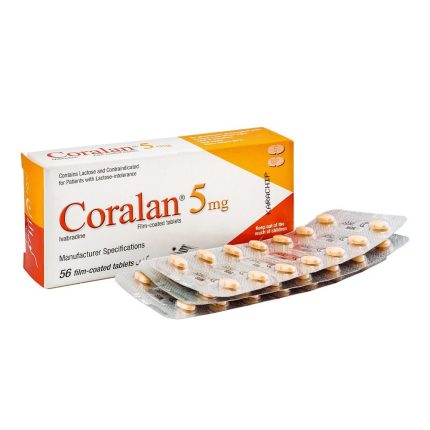
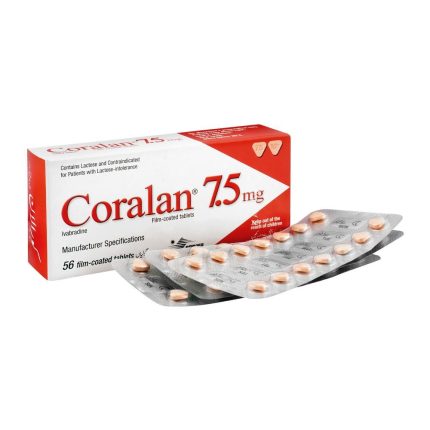
Coralan 5mg Tab. ( Ivabradine ) Les Laboratoires
This medicine is indicated in chronic stable angina (consistent duration and severity of brief episodes of pain, pressure, squeezing and tightness in chest), coronary artery disease (narrowing or blockage of arteries of heart muscles) with normal sinus rhythm (normal heart rate) who have a contraindication or intolerance to beta blockers when monotherapy is inadequate and heart rate is more than 60 beats per minute. It is also used in patients with stable chronic heart failure, with systolic dysfunction (impairment in contraction of ventricles). In patients with stable chronic heart failure (chronic heart failure in which clinical condition didn’t get any worse) with systolic dysfunction (impairment in contraction of ventricles), in sinus rhythm (pace with which heart beats) rate equals to 75 beats per minute in combination with standard therapy, including beta blockers or when beta blockers are contraindicated, or not tolerated.
Side Effects
Its side effects include blurred vision, bradycardia (slow heart rate), 1st degree AV block (when there is a delay in conduction), ventricular extrasystole (premature contraction of ventricles), blood pressure changes, dizziness, headache etc.
Warnings
Pregnancy
This medicine is contraindicated in pregnancy. Consult your doctor before use.
Lactation
This medicine is contraindicated in pregnancy. Consult your doctor before use.
Driving
Please avoid driving when taking this medicine as it may affect your ability to drive.
Precautions
Elderly patients and patients with mild to moderate hypotension (low blood pressure), renal (kidney) insufficiency, moderate hepatic (liver) impairment, heart failure and retinitis pigmentosa (genetic disorder that causes loss of vision) may be sensitive to the drug. Patients should be monitored regularly for atrial fibrillation (irregular heart beat), QT syndrome or QT prolongation (a condition in which there is increased risk of irregular heart beat). For intraventricular defect (disturbance in propagation of impulse) and ventricular dyssynchrony (unsynchronized contractions of ventricles) patient should be monitored closely. After any changes in treatment, the patient's blood pressure should be monitored.
Contraindications
It is contraindicated in patients with pretreatment heart rate less than 60 beats per minute, persistent symptoms of bradycardia (very low heart rate) or if heart rate is persistently below 50 beats per minute, cardiogenic shock (a condition in which heart suddenly fails to pump enough blood to meet your body’s requirement), acute myocardial infarction (heart attack), severe hypotension (low blood pressure) (less than 90/50 mm Hg), sick sinus syndrome (a condition in which heart’s natural pacemaker is unable to create appropriate heart rate), sino atrial block (disorder in normal rhythm of heart, that started at SA node), unstable or acute heart failure (heart failure in which clinical condition is worsening), pacemaker dependent, unstable angina (condition in which heart is deprived of sufficient blood flow and oxygen), 2nd (conduction of atrial impulse through AV node is blocked or delayed) or 3rd (abnormal heart rhythm due to defect in conduction system) degree AV block, cardiac arrhythmias (abnormal heart rhythms), severe hepatic (liver) impairment or in patients immediately after stroke.
FAQS
When should I take Ivabradine?
Take two doses, one with breakfast and the second dose with the evening meal.
What are the side effects of Ivabradine?
Blurred vision, irregular heart beat, chest discomfort, dizziness, tiredness etc are some of its side effects.
What is the purpose of Ivabradine?
It is used to treat adults with heart failure (inability of heart to pump sufficient blood) to lower the risk that the condition will get worse.
Does Ivabradine make you tired?
Dizziness and tiredness may occur.
Can Ivabradine cause breathlessness?
Yes, It may cause breathlessness.
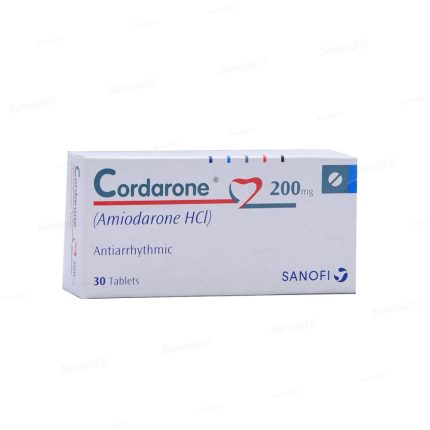
Cordarone 200mg Tab ( Amiodarone ) Sanofi
This medication is used to treat certain types of serious (possibly fatal) irregular heartbeat (such as recurrent ventricular fibrillation/tachycardia). It is used to restore normal heart rhythm and maintain a regular, steady heartbeat. Amiodarone is known as an anti-arrhythmic drug. It works by blocking certain electrical signals in the heart that can cause an irregular heartbeat.
How to use Cordarone 200 Mg Tablet
Read the Medication Guide provided by your pharmacist before you start using amiodarone and each time you get a refill. If you have any questions, consult your doctor or pharmacist.
Take this medication by mouth as directed by your doctor, usually once or twice daily. You may take this medication with or without food, but it is important to choose one way and take this medication the same way with every dose.
Avoid eating grapefruit or drinking grapefruit juice while using this medication unless your doctor or pharmacist says you may do so safely. Grapefruit can increase the chance of side effects with this medicine. Ask your doctor or pharmacist for more details.
The dosage is based on your medical condition and response to treatment. Your doctor may direct you to start this medication at a higher dose and gradually decrease your dose. Follow your doctor's instructions carefully. Do not stop taking this medication or change the dose without first consulting your doctor.
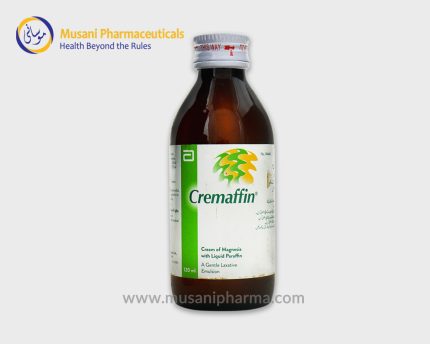
Cremaffin Syrup – Abbott
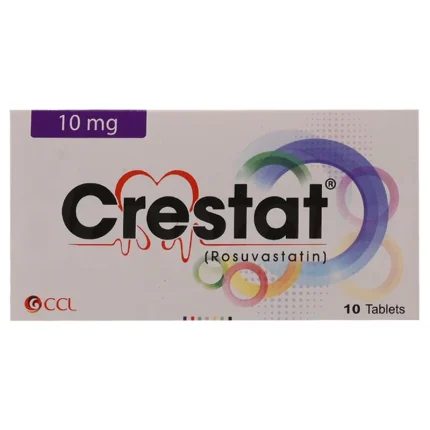
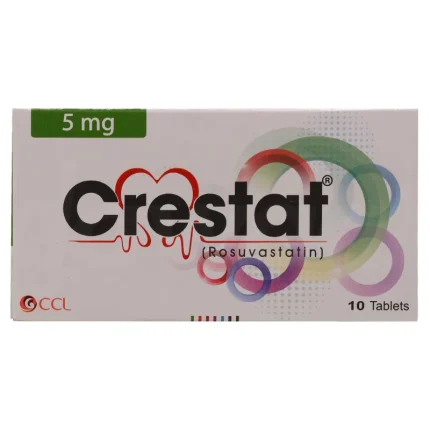
Crestat 10mg Tablet (Rosuvastatin) – CCL
Rosuvastatin is used along with a proper diet to help lower "bad" cholesterol and fats (such as LDL, triglycerides) and raise "good" cholesterol (HDL) in the blood. It belongs to a group of drugs known as "statins." It works by reducing the amount of cholesterol made by the liver. Lowering "bad" cholesterol and triglycerides and raising "good" cholesterol decreases the risk of heart disease and helps prevent strokes and heart attacks. In addition to eating a proper diet (such as a low-cholesterol/low-fat diet), other lifestyle changes that may help this medicine work better include exercising, losing weight if overweight, and stopping smoking.
How To Use
Take rosuvastatin by mouth with food as directed by the doctor.
Swallow the tablet whole with water.
Do not crush, chew, or split the tablet.
Take rosuvastatin regularly to get the most benefit from it.
To help remember, take rosuvastatin at the same time.
Quantity is based on your medical condition and response to treatment.
Do not increase your quantity or take this product more often than directed.
Expert Advice
Take this medicine with or without meals.
Contact prescriber if there’s unusual chest pain, swelling of extremities, unusual weight gain, difficulty in breathing, throat tightness, choking sensation, and swelling of face/mouth.
Periodic blood tests are to be taken as advised by the prescriber to check drug’s effectiveness.
Primary Uses
Hyperlipidemia
Indications
Rosuvastatin is used for treating hyperlipidemia. An excessive number of triglycerides and bad cholesterol in your blood is referred to as hyperlipidemia.
Increased levels of fats in your bloodstream may accumulate in the blood vessels, increasing your risk of heart disease. As a result, Rosuvastatin is used to lower the chance of having a heart attack.
Stoke is a disorder caused by a lack of blood circulation to the brain. Unwanted fat deposition may cause constriction of the blood arteries that deliver blood to the brain. This can impede blood flow and raise the risk of a stroke. As a result, Rosuvastatin is used to minimize the risk of stroke by lowering cholesterol levels in the blood.
Side Effects
Patients using this medication may commonly experience weakness, dizziness (lightheadedness), myalgia (muscle pain), diabetes, headaches, stomachache, fatigue, and immune-mediated necrotizing myopathy.
Warnings
Pregnancy
Consult your doctor before using rosuvastatin during pregnancy for a better analysis.
Lactation
Consult your doctor before using rosuvastatin during lactation for a better analysis.
Driving
Avoid driving vehicles until you determine how Rosuvastatin affects you
Liver
People with liver diseases should consult their doctors before using Rosuvastatin.
Kidney
Consult your doctor before using rosuvastatin for a better analysis if you have kidney disease.
Alcohol
Limit your intake of alcohol while taking Rosuvastatin. Daily alcohol use with Rosuvastatin use may elevate your risk of liver issues. For more information, consult your doctor.
Precautions
The patients with a history of alcohol abuse, hepatic (liver) impairment or disease, muscle weakness or disorders, hypothyroidism (decreased activity of thyroid gland), renal (kidney) impairment, diabetes, and elderly should use this medicine cautiously.
Contraindications
Rosuvastatin is contraindicated in patients with hypersensitivity to Escitalopram or other components present in this medicine.
Rosuvastatin is metabolized in the liver. As a result, if you have pre-existing liver problems, this medication is not suggested since it may cause Rosuvastatin accumulation in your blood, increasing the chance of side effects. It may possibly cause more liver damage.
Rosuvastatin should not be used if you have seriously impaired kidneys since a malfunctioning kidney would not filter Rosuvastatin entirely out of your body, resulting in toxicity.
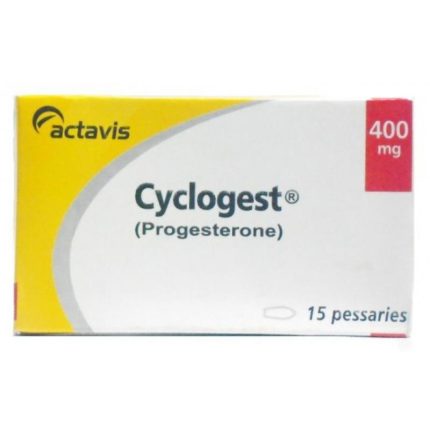
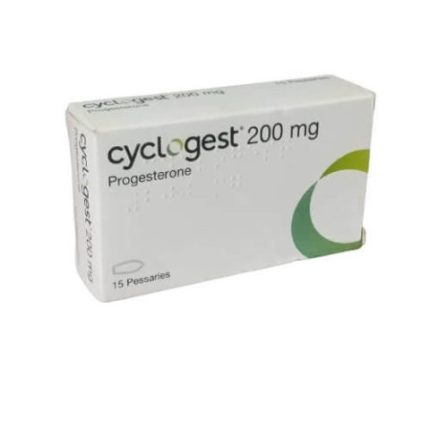
CYCLOGEST VAGINAL PESSARIES (Progesterone)
Cyclogest contains micronised progesterone which is a natural, female sex hormone, produced in the body.
Cyclogest works by adjusting the hormonal balance within the body for the treatment of:
pre-menstrual syndrome which often affects women during the 7 to 10 days before their monthly period. The symptoms of pre-menstrual syndrome include feelings of tension, irritability, depression, headache, breast tenderness, weight gain and bloatedness
post-natal depression which some women get after their baby has been born.
women who need extra progesterone while undergoing treatment in an Assisted Reproductive Technology (ART) programme.

Daflon 500mg Tab. 20/s, ( Diosmin , Hesperidin )
Used For
PilesHow it works
It works by blocking the action of chemical messengers (prostaglandins, thromboxane A2) that cause inflammation (swelling) of the veins. This improves blood flow in the veins and restores normal function in the veins.Usage And Safety
Dosage
Venous insufficiency: 2 tablets daily, 1 tablet at midday and 1 tablet in the evening, at mealtimes. Haemorrhoidal attack: the dose is 6 tablets per day for 4 days and then 4 tablets per day for the next 3 days, at mealtimes. OR As directed by your physician.Side Effects
Common: diarrhoea, dyspepsia, nausea, vomiting. Uncommon: colitis. Rare: dizziness, headaches, discomfort, rash, itching, urticaria. Frequency not known: abdominal pain, isolated face, lip, eyelid oedema. Exceptionally Quincke's oedema .Drug Interactions
Tell your doctor or pharmacist if you are taking or have recently taken any other medicines, including medicines obtained without a prescription.Indication
This medicine is a venotonic (it increases venous tone) and a vasculoprotector (it increases resistance in small blood vessels). It is recommended for treating venous circulation disorders (heavy legs, pain, restless legs) and functional signs related to haemorrhoidal attack.When not to Use
Do not take : If you are allergic (hypersensitive) to micronised purified flavonoid fraction or any of the other ingredients.Precautions
Walking, and wearing appropriate stockings when applicable, promote blood circulation.
Warnings
- If the haemorrhoid disorder persists for more than 15 days, it is essential that you consult your doctor.
- This treatment is at its most effective when combined with a healthy lifestyle.
- Avoid exposure to the sun, heat, standing for too long, excess weight .
Pregnancy category
Always consult your physician before using any medicine.
Storage (YES/NO)
Store this medicine at room temperature, away from direct light and heat.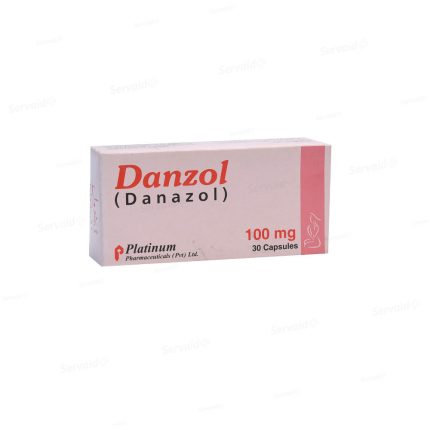
Danzol 100mg Capsules ( Danazol , Platinum )
This medication is used in women to treat pelvic pain and infertility due to a certain disorder (endometriosis) and also to treat breast pain/tenderness/nodules due to a certain breast condition (fibrocystic breast disease). It is also used in both men and women to prevent swelling of the abdomen/arms/legs/face/airway due to a certain congenital disease (hereditary angioedema).Danazol is an androgen similar to testosterone. For the treatment of endometriosis and fibrocystic breast disease, it works by decreasing the amount of hormones made by the ovaries. These hormones usually make the conditions worse. For the treatment of angioedema, danazol helps to increase the amount of a certain protein in your body's defense system (immune system).
How to use Danazol
Take this medication by mouth as directed by your doctor, usually twice daily. You may take this medication with or without food, but it is important to choose one way and take this medication the same way with every dose.
The dosage is based on your medical condition and response to treatment.
Use this medication regularly to get the most benefit from it. To help you remember, take it at the same times each day.
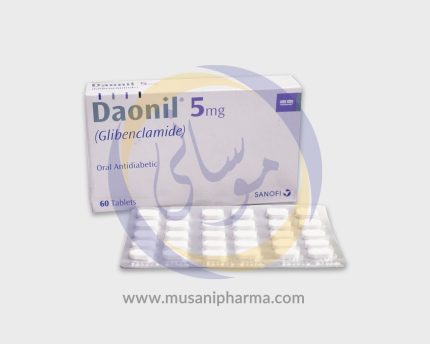
Daonil Tabs (Glibenclamide) – Sanofi
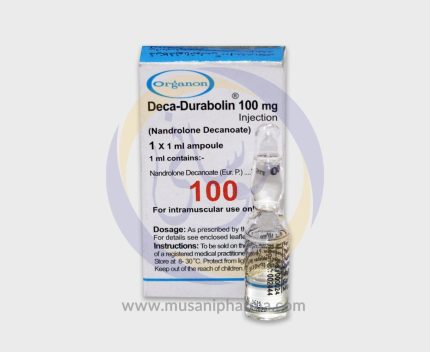
Deca Durabolin 100mg (Nandrolone Decanoate) – OBS
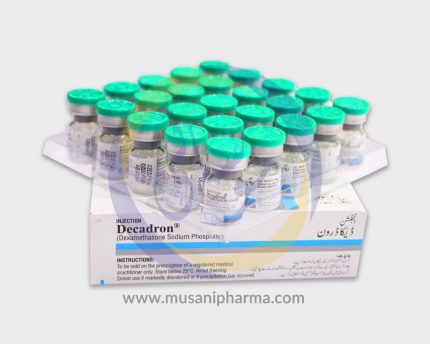
Decadron Inj. (Dexamethasone) – OBS
Dexamethasone injection is used to treat severe allergic reactions. It is used in the management of certain types of edema (fluid retention and swelling; excess fluid held in body tissues,) gastrointestinal disease, and certain types of arthritis. Dexamethasone injection is also used for diagnostic testing. Dexamethasone injection is also used to treat certain conditions that affect the blood, skin, eyes, thyroid, kidneys, lungs, and nervous system. It is sometimes used in combination with other medications to treat symptoms of low corticosteroid levels (lack of certain substances that are usually produced by the body and are needed for normal body functioning) and in the management of certain types of shock. Dexamethasone injection is in a class of medications called corticosteroids. It works to treat people with low levels of corticosteroids by replacing steroids that are normally produced naturally by the body. It also works to treat other conditions by reducing swelling and redness and by changing the way the immune system works.
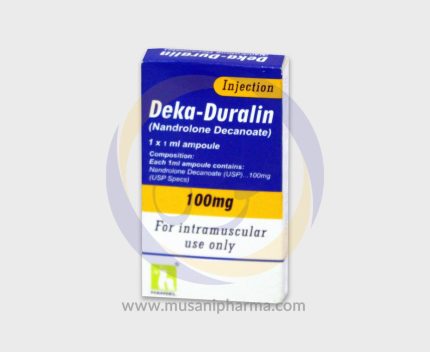
Deka Duralin (Nandrolone) 100mg – Hansel
Deka–Duralin is a clear oily solution for injection containing 100 mg/ml of the active ingredient nandrolone decanoate. It is used to treat: osteoporosis (loss of bone tissue) certain types of anaemia.
Deka-Duralin 100mg Injection is a medicine used in the treatment of osteoporosis in post-menopausal women. It helps strengthen the bones which become thin and brittle due to osteoporosis.
Deka-Duralin 100mg Injection is generally given by a healthcare professional. You should not self-administer this medicine at home. Your doctor will decide the dose and how often you should take them. You should take it regularly to get the most benefit from it. Do not stop using the medicine even if you feel better unless the doctor tells you so.
Using this medicine may cause few common side effects such as edema (swelling of legs, ankle, and feet), fluid retention, nausea, acne, and breast enlargement. Let your doctor know if any of these side effects bother you.
Before using this medicine, inform your doctor if you have any liver or kidney problems. You should also tell your doctor all the other medicines you are taking. Pregnant and breastfeeding mothers should consult with their doctors before using the medicine.