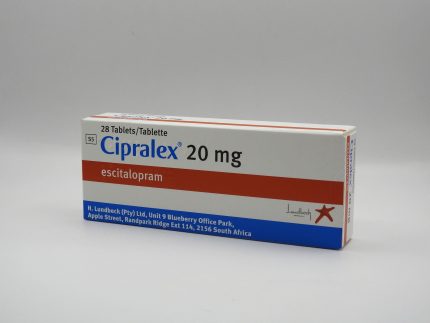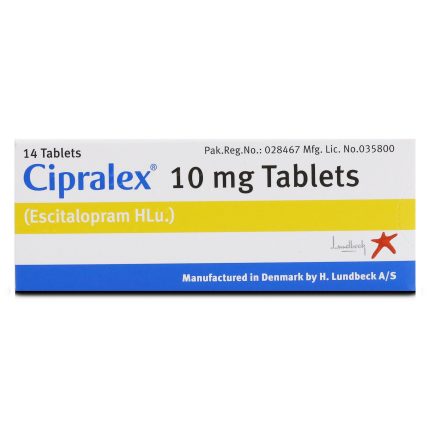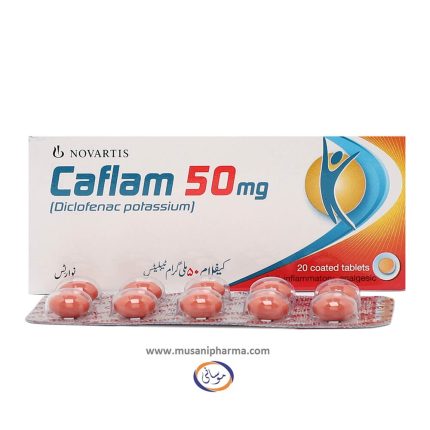
Caflam 50mg Tablet (Diclofenac Potassium) – Novartis
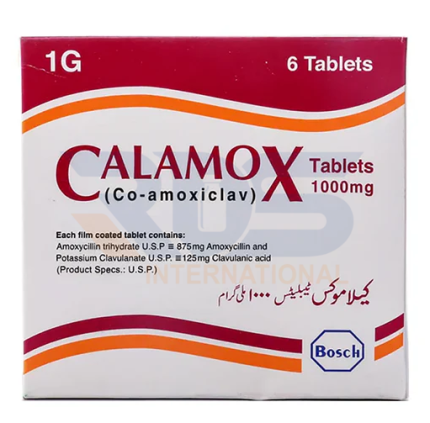
Calamox 1000mg (Co-amoxiclav) – One Health
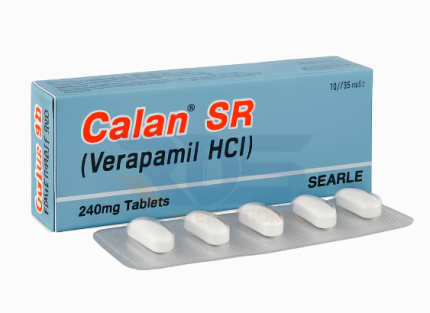
Calan SR Tablet 240mg-10/s (Verapamil HCI) – Searle
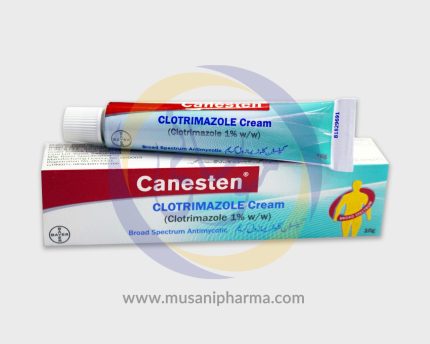
Canesten Cream (Clotrimazole) – Bayer
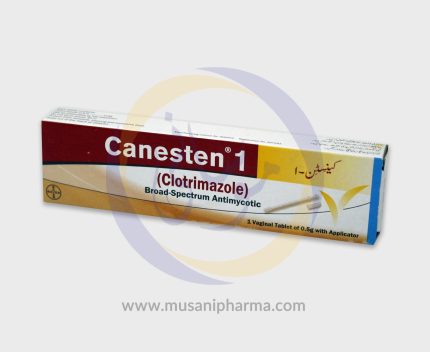
Canesten Tablet (Clotrimazole) – Bayer
Cellcept ( Mycophenolate Mofetil. ) Roche
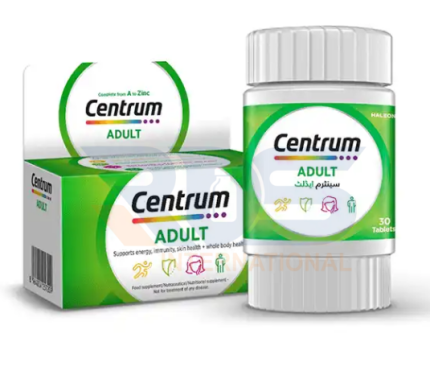
Centrum Adults Multivitamin Tablets – haleon
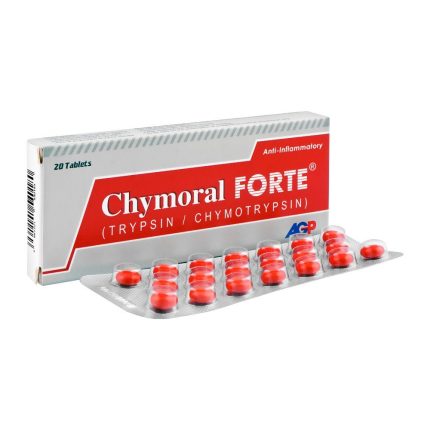
Chymoral Forte Tablet ( Trypsin Chymotrypsin, AGP )
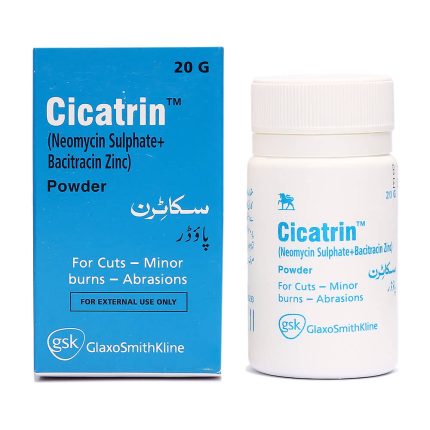
Cicatrin Powder (Neomycin Sulphate) – GSK
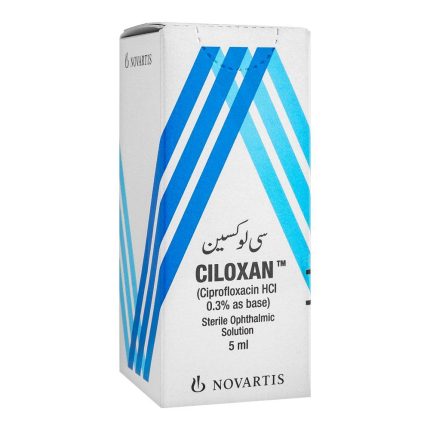
Ciloxan Eye Drop ( Ciprofloxacin ) Novartis
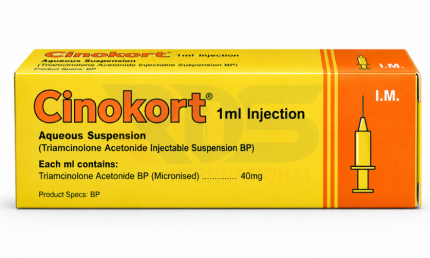
Cinokort Injection 40mg/ml I.M. (Triamcinolone Acetonide) – Polyfine
Cinokort Injection contains Triamcinolone Acetonide 40mg/ml, a long-acting corticosteroid formulated as an aqueous intramuscular (I.M.) and intra-articular suspension. It is used to relieve inflammation and suppress allergic reactions in a wide range of conditions, including allergic disorders, skin diseases, and rheumatic conditions.
Its prolonged anti-inflammatory action helps reduce swelling, redness, pain, and discomfort, providing long-lasting symptom relief. Cinokort Injection may also be administered directly into affected joints to help relieve inflammation and improve joint mobility in selected musculoskeletal disorders. This medicine should only be administered by a qualified healthcare professional.
Key Benefits
- Provides long-lasting relief from inflammatory conditions.
- Effectively treats severe allergic reactions and allergic disorders.
- Helps manage inflammatory skin diseases.
- Reduces pain, swelling, and stiffness associated with rheumatic disorders.
- Can be administered intra-articularly to reduce joint inflammation.
- Delivers prolonged corticosteroid action for sustained symptom control.
Composition
Each 1 ml contains:
- Triamcinolone Acetonide BP (Micronised) – 40 mg
Dosage Form: Aqueous Injectable Suspension
Route of Administration: Intramuscular (I.M.) / Intra-articular (As Prescribed)
Indications
Cinokort Injection is indicated for the treatment of:
- Severe allergic conditions
- Allergic skin disorders
- Inflammatory dermatological diseases
- Rheumatoid arthritis
- Osteoarthritis requiring intra-articular corticosteroid therapy
- Joint inflammation and pain
- Other corticosteroid-responsive inflammatory disorders as determined by a physician
How It Works
Triamcinolone Acetonide is a synthetic corticosteroid that works by suppressing the body's inflammatory and immune responses. It reduces the release of inflammatory chemicals responsible for pain, redness, swelling, and tissue irritation, providing long-lasting relief from symptoms.
Directions for Use
- Administer only by a qualified healthcare professional.
- Dosage and frequency depend on the patient's condition and clinical response.
- Do not self-inject unless specifically instructed by your healthcare provider.
- Follow your physician's recommendations regarding treatment duration and follow-up.
Precautions
- Use only under medical supervision.
- Inform your doctor if you have diabetes, hypertension, glaucoma, osteoporosis, liver disease, kidney disease, or any active infection.
- Avoid contact with individuals who have contagious infections while receiving corticosteroid therapy.
- Do not discontinue long-term corticosteroid treatment abruptly without medical advice.
- Regular monitoring may be required during prolonged treatment.
Possible Side Effects
Some patients may experience:
- Pain or discomfort at the injection site
- Increased blood sugar levels
- Fluid retention
- Increased appetite
- Mood changes
- Elevated blood pressure
- Increased risk of infection
- Skin thinning or delayed wound healing with prolonged use
Seek immediate medical attention if severe allergic reactions, vision changes, or unusual swelling occur.
Storage Instructions
- Store below 30°C in a cool, dry place.
- Protect from direct sunlight.
- Do not freeze.
- Keep out of the reach of children.